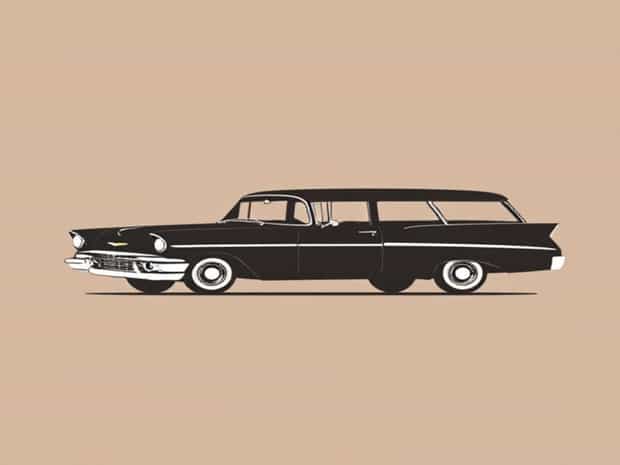
Chevrolet Townsman Station Wagon
The Chevrolet Townsman Station Wagon is an iconic vehicle that represents a significant era in American automotive history. Known for its spacious interior, reliable performance, and classic styling, the Townsman became a popular choice for families seeking a practical yet stylish vehicle. Its design combines utility with comfort, making it suitable for long road trips, daily errands, and family outings. This station wagon, with its distinctive woodgrain paneling in some models, continues to capture the imagination of car enthusiasts and collectors alike, showcasing the charm and functionality of mid-20th century American cars.
History of the Chevrolet Townsman Station Wagon
The Chevrolet Townsman was introduced in the late 1950s as part of Chevrolet’s full-size station wagon lineup. It was designed to cater to the growing demand for family-oriented vehicles, offering ample seating and cargo space. Over the years, the Townsman underwent several updates and redesigns to improve performance, comfort, and aesthetics. By the 1960s, it had established itself as a dependable choice for American families, offering a balance of style, reliability, and affordability.
Design and Features
The Townsman Station Wagon featured a wide body, allowing for generous interior space. Its exterior design included long rooflines, large windows, and tailgate options that enhanced both visibility and accessibility. Some models included woodgrain trim on the sides, which became a hallmark of classic station wagon styling. Inside, the vehicle offered flexible seating arrangements, often accommodating up to nine passengers, along with ample cargo space for luggage, groceries, or recreational gear.
Engine and Performance
Chevrolet equipped the Townsman with a range of engines over its production years, focusing on reliable performance and smooth handling. Early models came with inline-six engines, while later versions offered V8 options for more power and towing capability. The vehicle’s suspension was tuned for comfort, absorbing road imperfections effectively, which made long drives more enjoyable for families. Its transmission options included manual and automatic gearboxes, catering to a variety of driver preferences.
Fuel Efficiency and Driving Experience
While station wagons like the Townsman were not known for their fuel efficiency compared to smaller vehicles, they provided a solid balance between performance and practicality. The driving experience emphasized comfort over speed, with smooth steering and stable handling. Its wide wheelbase and well-tuned suspension contributed to a steady ride, making it suitable for city driving and highway cruising alike. The large windows and elevated seating position provided excellent visibility for drivers, enhancing overall safety and confidence on the road.
Interior Comfort and Utility
The Chevrolet Townsman Station Wagon was designed with family comfort in mind. Plush bench seats, spacious legroom, and convenient storage compartments made every journey pleasant. The rear seats could often fold flat to expand the cargo area, accommodating larger items like bicycles or camping gear. The vehicle also offered modern features for its time, such as heating, ventilation, and optional air conditioning, enhancing passenger comfort in various climates.
Seating and Cargo Flexibility
- Front and rear bench seats providing seating for up to nine passengers in certain models.
- Fold-down rear seats for increased cargo capacity.
- Spacious trunk and roof storage options for family trips.
- Optional roof racks to carry luggage, sporting equipment, or recreational items.
Safety and Reliability
Safety was a growing concern during the era of the Chevrolet Townsman, and the station wagon included features to ensure passenger protection. Sturdy construction, strong body panels, and reliable braking systems contributed to the vehicle’s safety profile. The car’s reputation for reliability made it a preferred choice for families, as it could withstand daily use and long-distance travel without frequent mechanical issues. Regular maintenance and Chevrolet’s durable engineering helped the Townsman maintain its performance over many years.
Technological Features
Although modern safety features like airbags and anti-lock brakes were not standard during the Townsman’s early production years, the vehicle offered practical technology for its time. Some models included AM radios, analog gauges for monitoring vehicle performance, and optional power steering and power brakes. These features made driving the Townsman more convenient and less physically demanding, especially for longer trips or in urban traffic.
Popularity and Cultural Impact
The Chevrolet Townsman Station Wagon became a symbol of American family life during the 1960s and 1970s. Its spacious interior, practicality, and dependable performance made it a staple for suburban households. The vehicle was often featured in films, television shows, and advertisements, emphasizing the era’s family-oriented lifestyle. Today, it is cherished by classic car collectors and enthusiasts who appreciate its nostalgic design, historical significance, and versatile functionality.
Collectibility and Restoration
Vintage Chevrolet Townsman models are now sought after by collectors for their classic styling and historical value. Restoring a Townsman often involves refurbishing the woodgrain paneling, updating the interior upholstery, and ensuring the engine and transmission are in optimal condition. Enthusiasts value the vehicle not only for its aesthetic appeal but also for its role in representing a key period in automotive history.
The Chevrolet Townsman Station Wagon remains a memorable and influential vehicle in American automotive culture. Its combination of spacious interior, comfortable ride, reliable performance, and classic design made it a favorite among families and enthusiasts alike. With its versatility for both daily use and long-distance travel, the Townsman embodied the essence of practicality and style. Today, it continues to inspire admiration and interest among collectors and classic car enthusiasts, preserving its legacy as a symbol of mid-20th century American family life and automotive innovation.