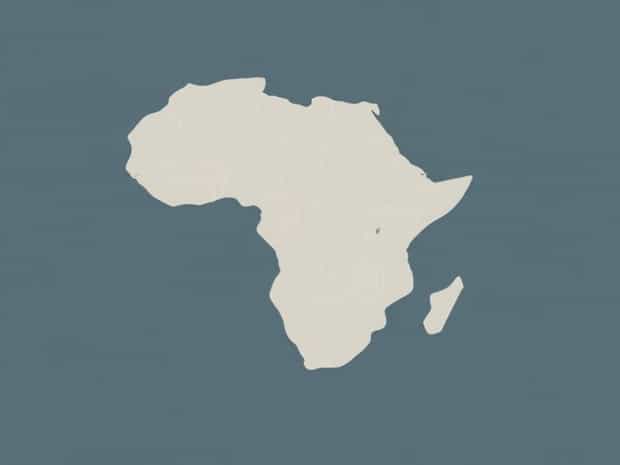
Most Northerly Point In Africa
The most northerly point in Africa is a geographical landmark that holds significance both historically and environmentally. Located at the tip of the continent along the Mediterranean coast, this point serves as a gateway between Africa and Europe. It is not only a key reference for cartographers and travelers but also a place rich in natural beauty, cultural history, and strategic importance. The region around Africa’s northernmost point combines coastal landscapes, small settlements, and significant landmarks, making it a notable destination for explorers, geographers, and tourists interested in the extremes of the continent. Understanding its location and characteristics provides insight into Africa’s geography and the ways in which humans have interacted with these unique spaces over centuries.
Geographical Location
The most northerly point in Africa is known as Ras ben Sakka, located in Tunisia. It lies just north of the city of Bizerte, on the Mediterranean coastline. Ras ben Sakka reaches a latitude of approximately 37°20²N, making it the extreme northern tip of the African continent. Its location provides a clear view across the Mediterranean Sea toward southern Europe, particularly Italy and Sicily, which are visible on clear days. The surrounding area is characterized by rocky shores, sandy beaches, and coastal vegetation, creating a blend of natural and geographical features that distinguish this point from other parts of Africa.
Historical and Strategic Significance
Throughout history, the northernmost point in Africa has held strategic importance due to its proximity to European trade routes and its position along the Mediterranean. Ancient civilizations, including the Phoenicians, Romans, and later European powers, recognized the area as a key maritime location. Ras ben Sakka and its surrounding region served as a point of observation and control for ships navigating between the Mediterranean and the Atlantic via the Strait of Gibraltar. Today, remnants of historical structures and lighthouses can still be found, highlighting the continued relevance of this geographical landmark.
Natural Features and Landscape
The landscape around Africa’s northernmost point is a combination of rocky cliffs, sandy stretches, and small coastal dunes. The Mediterranean climate brings hot, dry summers and mild, wet winters, fostering a unique ecosystem. Coastal vegetation, including shrubs, grasses, and some hardy trees, thrives despite the salty air and rocky soil. The waters surrounding the tip are clear and relatively calm, supporting a variety of marine life. Birdwatchers often visit the area, as migratory birds use the northern Tunisian coast as a stopover point during their seasonal journeys between Europe and Africa.
Nearby Cities and Communities
The city of Bizerte is the closest urban center to Africa’s northernmost point. Bizerte is a historic port city with a rich cultural heritage, dating back thousands of years. The city serves as a hub for fishing, trade, and tourism, and it offers accommodations and services for visitors exploring Ras ben Sakka. Smaller coastal villages and communities surround the area, often centered around fishing, agriculture, and tourism. These settlements provide a glimpse into traditional Tunisian life and the ways local populations have adapted to the coastal environment over centuries.
Tourism and Recreation
Visiting the most northerly point in Africa offers a variety of recreational opportunities. The coastal waters are ideal for swimming, boating, and fishing. The rocky cliffs and surrounding landscapes provide opportunities for hiking and photography, particularly for those interested in capturing the dramatic views of the Mediterranean. A map highlighting the extreme points of Africa often draws attention to Ras ben Sakka, making it a point of interest for tourists seeking to explore the continent’s geographical extremes. Guided tours and local excursions often combine visits to the northern tip with historical sites, nearby beaches, and cultural landmarks in Bizerte.
Cultural and Environmental Importance
The northernmost point is not only a geographical marker but also an area of cultural and environmental significance. Coastal Tunisia has a rich tradition of fishing, maritime navigation, and local crafts, many of which continue to thrive in communities near Ras ben Sakka. Environmental conservation efforts are increasingly important, as the fragile coastal ecosystems are sensitive to human activity and climate change. Awareness of local biodiversity, sustainable tourism practices, and protection of marine habitats is a growing priority among residents, visitors, and government authorities alike.
Climate and Weather Patterns
The Mediterranean climate at Africa’s northernmost point features distinct seasonal changes. Summers are typically hot and dry, with temperatures often exceeding 30°C (86°F), while winters are mild and wetter, with temperatures rarely dropping below 5°C (41°F). The region experiences moderate winds, especially along the coast, which influence wave patterns and marine conditions. Seasonal rainfall supports coastal vegetation and replenishes freshwater sources, while summer droughts highlight the importance of water management in local communities. Understanding the climate is crucial for planning travel, outdoor activities, and sustainable development in the region.
Accessibility and Transportation
Access to Ras ben Sakka and surrounding areas is relatively straightforward, particularly from the city of Bizerte. Roads and highways connect the northern tip to major Tunisian cities, including Tunis, the capital. Visitors can reach the area by car, bus, or organized tours. Although the tip itself is relatively remote, signage, trails, and public viewing areas make it accessible for exploration. Maps of Tunisia often mark Africa’s northernmost point, helping travelers locate it precisely and plan their visit efficiently. Seasonal variations and local regulations may affect accessibility, so it is recommended to check conditions before traveling.
Significance in Geography and Education
The most northerly point in Africa serves as an important reference in geography education. It is used to illustrate the continent’s extremities, demonstrate the relationship between Africa and Europe, and discuss climatic and ecological variations along latitude lines. Schools, universities, and research institutions often reference Ras ben Sakka when studying African geography, Mediterranean ecosystems, or historical maritime routes. Students and researchers gain a better understanding of spatial relationships, environmental challenges, and human interactions with northern coastal landscapes through the study of this landmark.
Future Prospects and Conservation
Looking ahead, the northern tip of Africa faces both opportunities and challenges. Sustainable tourism, environmental conservation, and cultural preservation are key priorities. Efforts to protect coastal ecosystems, maintain historical sites, and manage human activity are essential for the long-term health of the region. Local authorities and environmental organizations are working to balance development with conservation, ensuring that future generations can experience the natural and cultural richness of Africa’s northernmost point. Increased awareness and educational initiatives aim to highlight the importance of Ras ben Sakka as both a natural landmark and a symbol of Africa’s diverse geography.
The most northerly point in Africa, Ras ben Sakka in Tunisia, represents a unique convergence of geography, history, culture, and natural beauty. Its location along the Mediterranean coast provides strategic, environmental, and recreational significance. From the rocky cliffs and sandy beaches to the nearby communities and historical landmarks, the area offers a multifaceted experience for visitors and researchers alike. Understanding this extreme point of Africa enriches our appreciation of the continent’s geography and highlights the ongoing need for conservation and sustainable interaction with coastal environments. Ras ben Sakka remains an essential destination for those seeking to explore the northern edge of Africa, offering both breathtaking landscapes and a glimpse into the cultural and ecological dynamics of the region.