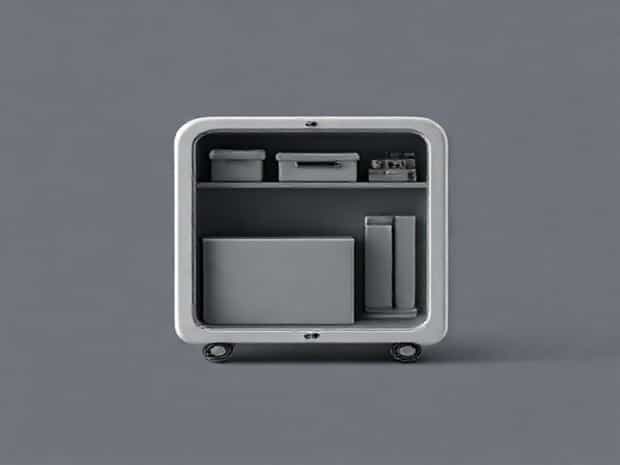
Mobile Compactor Storage System
In modern offices, warehouses, and institutions, space management has become one of the most critical aspects of daily operations. As real estate costs rise and storage needs continue to expand, businesses are searching for efficient ways to organize documents, files, tools, and materials without sacrificing accessibility. One popular solution is the mobile compactor storage system. This system combines flexibility, compact design, and smart engineering to maximize floor space while keeping stored items secure and easy to reach. Understanding how mobile compactors work, their types, advantages, and applications can help decision-makers select the right storage solution for their needs.
What Is a Mobile Compactor Storage System?
A mobile compactor storage system is a space-saving storage solution that uses movable units mounted on rails. Unlike traditional fixed shelving, compactors can slide back and forth, eliminating the need for multiple aisles. Users simply move the units to create an access aisle where it is needed. By reducing wasted space, these systems can increase storage capacity by up to 80% compared to conventional shelving. This makes them especially useful in areas where floor space is limited but storage demands are high.
How the System Works
The mechanism of a mobile compactor is straightforward yet highly effective. Shelving units or cabinets are mounted on a base with wheels or rollers that slide along rails fixed to the floor. Users can move the units manually, mechanically with a hand crank, or electronically with the push of a button. Once the aisle is created, the user can access the stored items without obstruction. When finished, the unit can be closed again, conserving space and ensuring organized storage.
Types of Mobile Compactor Storage Systems
There are different types of compactors available depending on the intended use, budget, and volume of materials to be stored. Each type offers unique features that suit specific environments.
Manual Mobile Compactors
These are operated by simply pushing or pulling the shelving unit along the rails. They are best for lighter loads and smaller spaces, such as offices or archives where frequent access is required but heavy items are not stored.
Mechanical-Assisted Compactors
Mechanical systems use a hand crank or wheel to move the shelving units along the rails. The crank mechanism reduces the effort needed, making it easier to move larger or heavier units. These are popular in libraries, record rooms, and hospitals.
Electrical or Motorized Compactors
For large facilities with heavy storage needs, motorized compactors are the most efficient choice. They are equipped with electronic controls that allow users to move units with a single button or even remotely. Safety features such as motion sensors prevent accidents, making them ideal for high-volume environments like warehouses or industrial sites.
Key Features of Mobile Compactor Systems
When evaluating mobile compactor storage, certain features stand out as particularly valuable
-
Space efficiencyEliminates the need for multiple fixed aisles, allowing more shelves in less space.
-
Customizable designUnits can be tailored to specific sizes, heights, and configurations depending on the type of materials stored.
-
DurabilityHigh-quality steel or metal construction ensures long life and resistance to wear and tear.
-
Security optionsLockable units protect sensitive documents or valuable items.
-
Safety mechanismsModern compactors often include anti-tilt devices, safety locks, and electronic sensors.
Advantages of Using Mobile Compactor Storage
Mobile compactors offer a variety of benefits that go beyond just saving space. Some of the main advantages include
Maximized Storage Capacity
By eliminating unnecessary aisles, these systems allow more shelving units to fit into the same square footage. This is especially useful for companies dealing with growing archives or product inventories.
Improved Organization
Compactors provide a systematic way to categorize and store items, making it easier to find documents, files, or goods quickly. Many organizations use them to keep their storage rooms neat and efficient.
Cost Efficiency
Since compactors increase storage capacity within the existing space, businesses can avoid the high costs of renting or building additional storage areas. This makes them a cost-effective long-term investment.
Enhanced Security
For sensitive files, medical records, or valuable assets, mobile compactors can be equipped with locking mechanisms. Some motorized systems even allow electronic access control for added security.
Better Aesthetics
A clutter-free environment not only looks professional but also creates a safer and more productive workplace. Mobile compactor systems contribute to a clean and organized setting.
Applications of Mobile Compactor Storage Systems
Because of their flexibility and efficiency, mobile compactors are widely used across various industries. Their applications include
-
Corporate officesFor storing employee records, contracts, and confidential files.
-
Hospitals and healthcareFor maintaining patient records, medical supplies, and laboratory samples.
-
Educational institutionsFor libraries, archives, and administrative records.
-
WarehousesFor storing goods, tools, and spare parts while optimizing floor space.
-
Government organizationsFor archiving legal documents, case files, and other official records.
Factors to Consider Before Installation
Choosing the right mobile compactor system involves evaluating several factors to ensure it meets the organization’s specific needs.
Storage Volume
The type of compactor depends on how much and how heavy the items are. Manual systems work for lighter loads, while mechanical or electrical systems handle heavy-duty storage better.
Available Space
Even though compactors save space, the floor layout must be analyzed carefully to ensure smooth installation and movement of units.
Budget
Manual systems are the most affordable, while motorized versions come with a higher price tag but offer convenience and advanced safety features.
Security Requirements
For sensitive or high-value materials, consider systems that include locks, access control, or additional security mechanisms.
Future Expansion
Organizations should also think long-term. If storage needs are expected to grow, investing in a scalable system is wise.
Maintenance and Care
To ensure a mobile compactor storage system functions smoothly for years, proper maintenance is essential. Regular cleaning of the rails, lubrication of moving parts, and periodic inspections help avoid breakdowns. In the case of motorized units, electronic components may require servicing by qualified technicians. Training staff on proper usage also reduces the risk of damage and ensures safe operation.
Why Mobile Compactors Are Becoming Popular
As workplaces evolve and digital transformation reduces but does not eliminate the need for physical storage, mobile compactor systems have become a preferred solution. Their ability to balance space-saving with accessibility makes them versatile across industries. Businesses seeking cost-effective storage methods that also support security and organization are increasingly turning to this technology.
A mobile compactor storage system is more than just a piece of furniture; it is a strategic investment in space efficiency, productivity, and security. Whether in a hospital storing patient files, a warehouse managing tools, or a corporate office organizing documents, compactors provide unmatched utility. By understanding their types, features, and applications, organizations can select the best system to suit their needs. With proper care, these systems not only optimize space but also contribute to a cleaner, more professional, and more efficient working environment.