Can Western Blot Quantify Protein
Western blotting is one of the most widely used laboratory techniques in molecular biology and biochemistry. It is known for its ability to detect specific proteins in a sample, confirm their presence, and give insight into relative protein expression levels. But an important question often arises for researchers and students alike can western blot quantify protein? This question leads to discussions about the strengths and limitations of the method, how quantification is achieved, and what alternatives exist for absolute measurements. Understanding the role of western blot in protein quantification is essential for anyone working in biological research.
What is Western Blotting?
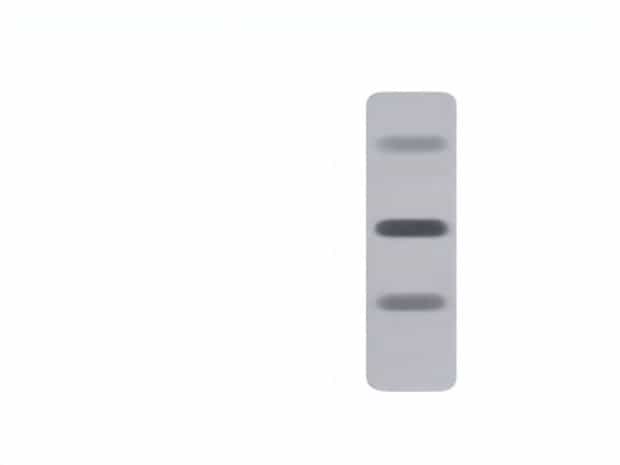
Western blotting is a laboratory technique used to separate proteins by size through gel electrophoresis, transfer them onto a membrane, and then probe them with antibodies that specifically bind to the protein of interest. The signal is then visualized, usually through chemiluminescence, fluorescence, or colorimetric detection methods. The intensity of the bands produced on the blot correlates with the amount of protein present, which is why the method is often used not just for detection but also for semi-quantitative analysis.
Can Western Blot Quantify Protein?
The short answer is yes, western blot can quantify protein, but with certain limitations. It is not an absolute quantification technique but rather a semi-quantitative one. This means it can compare relative protein levels between samples, but it may not provide exact numbers for protein concentration without additional methods or standards.
Relative Quantification
Western blotting is primarily used to compare the expression levels of proteins between different conditions, treatments, or time points. For example, a researcher might use western blot to determine whether a protein is more abundant in treated cells compared to untreated controls. The relative differences in band intensity reveal how protein expression changes across samples.
Absolute Quantification
While western blotting is not designed for absolute quantification, some modifications can allow researchers to approximate it. By using purified protein standards of known concentration and running them alongside samples, researchers can create a calibration curve. The band intensities from the unknown samples are then compared to the standard curve, making it possible to estimate actual protein quantities. However, this approach requires careful optimization and is less common compared to relative analysis.
Factors Affecting Quantification Accuracy
Several factors influence whether western blot results can be reliably quantified. Without careful control, data can be misleading.
- Antibody specificityNon-specific binding can create background signals that interfere with accurate measurement.
- Loading consistencyIf unequal amounts of protein are loaded into wells, comparisons become unreliable.
- Signal saturationOverexposure of signals can cause band intensity to plateau, preventing accurate quantification.
- Transfer efficiencyIncomplete or uneven transfer of proteins from the gel to the membrane can distort results.
Normalization in Western Blotting
To improve quantification reliability, normalization is essential. Researchers often use internal controls, sometimes called loading controls, to ensure equal sample comparison. These are housekeeping proteins, such as actin, GAPDH, or tubulin, that are expected to remain constant across experimental conditions.
Why Normalization is Important
Normalization corrects for variations in protein loading and transfer, allowing the target protein’s signal to be expressed relative to a stable control. Without normalization, differences in band intensity could be due to technical variability rather than true biological differences.
Quantification Methods in Western Blot
Once the blot is prepared and signals are detected, quantification usually involves densitometry. Specialized software analyzes band intensity and converts it into numerical values for comparison.
Densitometry Analysis
Densitometry software examines the pixel intensity of protein bands in the blot. The integrated density value reflects the relative abundance of the protein. These values can be normalized against a loading control to produce meaningful comparisons.
Fluorescent Western Blot
Fluorescent detection is considered more quantitative than traditional chemiluminescence because it offers a broader dynamic range and reduces problems of signal saturation. By using different fluorescent dyes, multiple proteins can be quantified on the same blot without stripping and reprobing.
Advantages of Using Western Blot for Quantification
Despite its limitations, western blotting remains a popular method for protein quantification due to several advantages
- Specificity High antibody specificity ensures that only the target protein is detected.
- Relative comparisons Useful for identifying differences between experimental conditions.
- Versatility Can be applied across many types of biological samples, from tissues to cultured cells.
- Validation tool Often used to confirm results obtained from other protein detection methods.
Limitations of Western Blot in Quantification
While western blot is valuable, it is important to recognize its limitations to avoid misinterpretation.
- It is semi-quantitative rather than fully quantitative.
- Results depend heavily on antibody quality.
- Technical variability can affect accuracy.
- Time-consuming and requires multiple optimization steps.
Alternatives for Protein Quantification
In some cases, researchers may prefer other techniques that provide more accurate protein quantification. While western blotting is excellent for detection and relative comparison, alternatives can provide absolute values.
Enzyme-Linked Immunosorbent Assay (ELISA)
ELISA is a more quantitative method for protein measurement. It can provide precise concentrations using standard curves and is widely used for diagnostics and biomarker studies.
Mass Spectrometry
Mass spectrometry-based proteomics is another method for protein quantification. It offers high sensitivity and the ability to quantify multiple proteins at once. Unlike western blot, it does not rely on antibodies, which eliminates problems of cross-reactivity.
Bradford and BCA Assays
These are total protein quantification methods, often used to determine the amount of protein in a sample before western blotting is performed. They do not measure specific proteins but are important for standardization.
Practical Applications of Western Blot Quantification
Western blot quantification is used in a wide range of research areas, including
- Cancer researchComparing protein expression between healthy and cancerous tissues.
- Drug developmentMeasuring changes in protein signaling pathways after treatment.
- NeuroscienceStudying synaptic proteins that change with learning, memory, or disease.
- Infectious diseaseDetecting pathogen proteins in infected cells.
So, can western blot quantify protein? The answer is yes, but with important qualifications. Western blot is best viewed as a semi-quantitative method that compares relative protein levels between samples. With proper controls, normalization, and densitometry analysis, it can provide valuable insights into protein expression. However, for absolute quantification, techniques like ELISA or mass spectrometry are more reliable. Still, western blotting remains an indispensable tool in molecular biology, offering both detection and comparative quantification that help scientists understand complex biological processes.