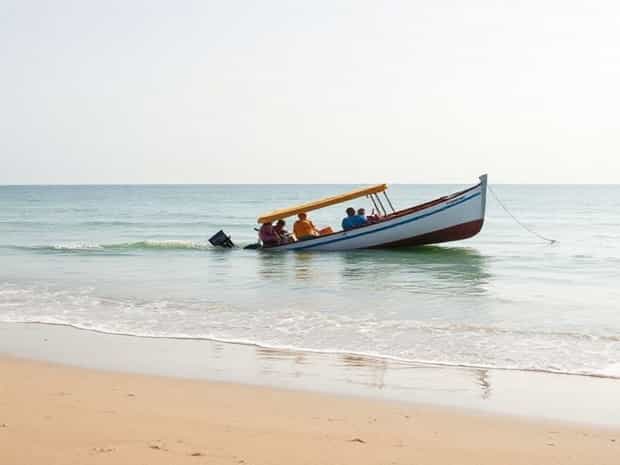
Calangute Beach Tourist Boat Capsize
Calangute Beach in Goa is one of India’s most popular tourist destinations, attracting thousands of visitors each season for its lively atmosphere, water sports, and coastal charm. However, the serene beauty of the beach occasionally becomes overshadowed by unfortunate incidents. One such event that drew public attention was a tourist boat capsize near Calangute Beach. This incident raised serious concerns about safety standards, the preparedness of operators, and the importance of strict regulations to protect travelers. Understanding the details of such events, their causes, and the lessons learned is vital for ensuring future safety at this iconic beach.
The Popularity of Calangute Beach
Known as the Queen of Beaches, Calangute is located in North Goa and is celebrated for its golden sands, vibrant nightlife, and water adventure activities. Among the many attractions, boat rides and water sports are high on the list for most tourists. These activities include parasailing, banana boat rides, jet skiing, and dolphin-watching trips. While they add excitement to a beach holiday, they also involve risks, especially if safety protocols are ignored.
Tourist Boats as a Major Attraction
Tourist boats operate daily along Calangute Beach, taking groups into the sea for short trips. These boats are a major source of livelihood for local operators and add to the thrill for visitors. However, the sudden capsizing of a boat highlighted the vulnerabilities involved in such activities.
The Incident Tourist Boat Capsize
The tourist boat capsize at Calangute Beach shocked both locals and visitors. Passengers who had boarded expecting a fun ride were suddenly thrown into a life-threatening situation when the vessel overturned. Eyewitnesses described moments of panic as passengers struggled in the water before lifeguards and local fishermen rushed to the rescue. While some were fortunate to be saved, the incident exposed the dangers associated with overcrowding, poor weather conditions, and lack of safety gear.
Possible Causes of the Capsize
Several factors can contribute to tourist boat accidents. In the case of Calangute Beach, reports and discussions pointed to multiple potential causes
- OvercrowdingBoats carrying more passengers than their capacity are more prone to imbalance and tipping over.
- Poor MaintenanceLack of regular checks and mechanical upkeep can make vessels unsafe.
- Weather ConditionsSudden waves or rough seas can destabilize smaller boats, especially when close to the shore.
- Inadequate TrainingBoat operators without sufficient training may not react effectively in emergencies.
- Insufficient Safety GearAbsence of life jackets or improper safety briefings puts passengers at greater risk.
Immediate Response and Rescue Operations
When the Calangute Beach tourist boat capsized, the swift action of lifeguards, locals, and fishermen prevented a greater tragedy. Rescue teams reached the spot within minutes, pulling passengers from the water. Emergency medical services were provided, and those who suffered shock or minor injuries received treatment. The rapid response highlighted the importance of having well-trained lifeguards stationed along busy tourist beaches.
Role of Lifeguards
Lifeguards at Calangute are trained to handle emergencies, and their quick thinking saved lives during the incident. They used rescue boards, tubes, and boats to reach passengers in distress. This incident reinforced the importance of maintaining a strong lifeguard presence on busy beaches.
Local Community Involvement
Fishermen and local boat operators also played a vital role in rescuing passengers. Their knowledge of the sea and ability to navigate rough waters made them invaluable during the emergency. This collaboration between lifeguards and the community often proves essential during crises.
Impact on Tourism
The news of the tourist boat capsize at Calangute Beach spread quickly, sparking concerns among visitors. Tourism officials had to address questions about safety standards and reassure potential travelers. While Calangute remains a top destination, incidents like this can temporarily reduce confidence in water sports and boating activities.
Economic Implications
Tourism is a major economic driver in Goa. When safety concerns arise, bookings for water-based activities decline, affecting the livelihoods of boat operators, guides, and vendors. Restoring trust requires visible improvements in safety measures and strict enforcement of regulations.
Safety Regulations and Preventive Measures
The capsizing incident emphasized the need for stronger safety regulations. Ensuring passenger safety is not just the responsibility of the boat operators but also of the authorities overseeing tourism activities. Some preventive measures include
- Strict limits on passenger capacity for boats.
- Mandatory use of life jackets for all passengers.
- Regular maintenance checks and certification of boats.
- Training programs for boat operators and crew on handling emergencies.
- Clear communication of weather warnings and suspension of activities during unsafe conditions.
Government and Policy Role
Authorities need to implement guidelines and conduct regular inspections to ensure compliance. Licensing procedures must require safety certifications, and penalties should be imposed on those who violate rules. Public awareness campaigns can also educate tourists about insisting on life jackets and avoiding overcrowded boats.
Lessons Learned from the Incident
The Calangute Beach tourist boat capsize serves as a reminder of the delicate balance between adventure tourism and safety. While tourists seek thrills, it is essential that operators prioritize security. Authorities, communities, and travelers all have roles to play in preventing future mishaps.
For Tourists
Visitors must take personal precautions by choosing licensed operators, wearing life jackets, and avoiding unsafe practices. Being alert and informed can make a significant difference in emergencies.
For Operators
Boat operators should invest in proper maintenance, train staff in emergency procedures, and never compromise passenger safety for profit. Responsible practices can help sustain their livelihoods while protecting lives.
For Authorities
Officials must enforce laws, provide resources for lifeguard training, and continuously monitor tourist activities. Transparency in reporting accidents and corrective actions can also rebuild traveler confidence.
Broader Context of Water Safety
Calangute is not the only tourist beach facing such risks. Across the world, popular destinations with water sports encounter similar challenges. The lessons from this incident can be applied elsewhere, reminding everyone that safety should never be an afterthought. Effective collaboration between governments, local communities, and travelers is essential to prevent accidents.
The tourist boat capsize at Calangute Beach was a tragic incident that highlighted the urgent need for better safety measures. While quick rescue operations saved many lives, the event underscored preventable shortcomings. Moving forward, strict regulations, regular inspections, and greater awareness among tourists and operators can reduce risks. Calangute Beach will continue to attract travelers from around the globe, but ensuring their safety must remain a top priority. By learning from the past and implementing stronger systems, Goa can maintain its reputation as a world-class destination where visitors feel secure enjoying both the sand and the sea.