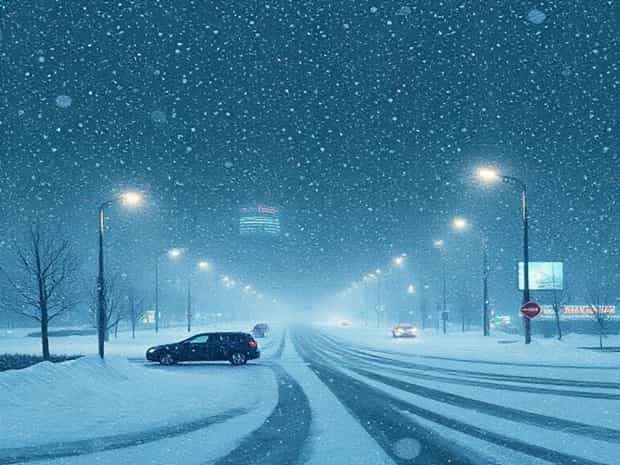
Karachi Cold Spell Icy Winds
When Karachi experiences a cold spell with icy winds sweeping through the city, it becomes a striking shift from its usually warm climate. Residents who are accustomed to mild winters suddenly find themselves facing bone-chilling temperatures, strong gusts, and a noticeable dip in daily routines. These cold waves are not just about the drop in mercury; they often arrive with biting winds that amplify the sensation of cold, affecting health, lifestyle, and even the city’s economy. Karachi’s unique geographical position makes these cold spells an interesting phenomenon, leaving people to wonder about their cause and their broader impact.
Understanding Karachi’s Climate
Karachi, the largest city in Pakistan, is well known for its coastal location along the Arabian Sea. This position gives it a generally moderate climate compared to the inland areas of the country, which face extreme heat in summer and freezing cold in winter. Karachi usually has mild winters, with average temperatures ranging between 10°C and 20°C. However, when cold spells hit, the city can feel much colder than the recorded temperature, especially due to the effect of icy winds.
The Role of Icy Winds
What makes the Karachi cold spell stand out is not just the temperature itself but the harsh icy winds that accompany it. These winds often originate from the northern regions of Pakistan and sometimes from Central Asia. As they move southward, they lose little intensity and strike Karachi with a chilling force. The coastal factor intensifies the experience because the open sea allows winds to gain speed, creating conditions that feel even colder than inland cities at the same temperature.
Why Karachi Experiences Cold Spells
Cold spells in Karachi usually occur in December, January, and occasionally in February. They are linked to larger weather systems in the region, including
- Northern Cold FrontsCold air masses descending from northern Pakistan and Afghanistan push icy winds toward the southern coast.
- Western DisturbancesWeather systems moving from the Mediterranean can alter pressure patterns, triggering a cold wave in Karachi.
- Wind Chill FactorEven when the thermometer reads moderately cold, strong winds reduce the perceived temperature, making it feel several degrees colder.
Duration of Cold Spells
Typically, a cold spell in Karachi lasts a few days, but there are instances when icy winds persist for a week or longer. These extended periods disrupt daily life and create challenges for vulnerable populations, especially those without proper heating or shelter.
Impact on Daily Life
The Karachi cold spell with icy winds changes the way the city functions. While residents adapt quickly, the sudden drop in temperature leaves a noticeable mark on everyday activities.
Health Effects
Cold and windy weather impacts health in several ways. Respiratory problems become more common, especially among the elderly and children. People often suffer from colds, flu, and dry skin. Those with chronic illnesses such as asthma find the icy winds particularly harsh, as they trigger breathing difficulties.
Clothing and Lifestyle Adjustments
Karachiites, not used to extreme cold, often scramble for warm clothing. Sweaters, jackets, shawls, and blankets suddenly become essential. Street vendors selling tea, soups, and dry fruits see a boost in business as people seek warmth. Schools sometimes adjust timings to help children avoid the chilliest hours of the morning.
Economic Effects
Cold spells also influence Karachi’s economy. While some businesses benefit such as vendors of winter wear and hot food stalls others suffer as outdoor activities slow down. Laborers, rickshaw drivers, and street vendors working in open areas often struggle to cope with icy winds, reducing their daily earnings.
Social and Cultural Responses
When icy winds sweep across Karachi, communities respond in unique ways. Families huddle indoors, often sharing traditional foods associated with winter. Piping hot tea becomes a staple, and households rely on portable heaters where available. For those unable to afford heating, makeshift methods like burning wood or coal are common, though they carry health risks due to indoor smoke exposure.
Winter Traditions
Despite the discomfort, cold spells bring seasonal joys. Traditional winter snacks such as peanuts, gajak, and roasted corn are widely enjoyed. Community gatherings become cozy indoor affairs, with people sharing stories and warmth. Many consider these cold days a refreshing break from Karachi’s otherwise warm climate.
Challenges During Icy Winds
While the Karachi cold spell has its charm, the icy winds also pose real challenges for the city. These include
- Energy DemandsIncreased use of heaters and warm water leads to higher electricity and gas consumption, sometimes resulting in shortages.
- Homeless PopulationsPeople without proper shelter are among the most vulnerable, struggling to survive harsh nights with limited resources.
- Transport IssuesMotorcycle riders and rickshaw drivers face difficulties braving the wind chill, leading to reduced mobility.
Public Health Concerns
The risk of hypothermia, though not common, rises during prolonged cold spells. Inadequate clothing and poor housing conditions leave many people exposed to health risks. The icy winds also spread airborne viruses more easily, leading to seasonal outbreaks of flu and other respiratory illnesses.
Comparisons with Other Regions
Compared to northern Pakistan, where snowfall and freezing conditions are normal, Karachi’s cold spells may seem mild. However, the difference lies in preparedness. Northern regions are equipped with heating systems, warm clothing, and infrastructure designed for winter. Karachi, on the other hand, is largely unprepared, which makes even moderate cold with icy winds feel severe for its residents.
Why the Cold Feels Harsher in Karachi
The coastal wind factor makes Karachi’s winter unique. Even at 12°C or 13°C, the combination of humidity and wind chill creates a biting sensation that feels colder than dry inland regions at the same temperature. This explains why residents often describe Karachi’s cold spells as particularly tough despite relatively mild readings on the thermometer.
Looking Ahead
As climate patterns shift globally, Karachi may see more frequent or prolonged cold spells in the future. This means the city will need to adapt, both socially and infrastructurally, to handle the challenges of icy winds and sudden temperature drops.
Adapting to the Future
- Improving housing insulation and access to affordable heating solutions.
- Raising awareness about health precautions during cold weather.
- Providing shelters and resources for the homeless during extreme cold events.
- Encouraging energy conservation to balance electricity and gas usage.
The Karachi cold spell with icy winds is a remarkable shift in the city’s otherwise warm climate. While it disrupts daily routines, brings health challenges, and increases energy demands, it also adds a seasonal charm that residents embrace with resilience. From cozy family gatherings to bustling tea stalls on windy evenings, Karachi adapts to the chill in its own way. However, with changing climate trends, the city must prepare for colder winters ahead, ensuring safety and comfort for all its people when icy winds return to sweep the streets of Pakistan’s largest metropolis.