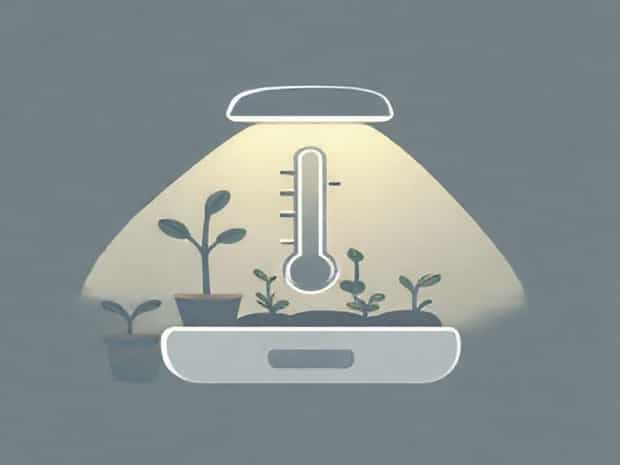
Best Thermostatically Controlled Propagator
Starting seeds indoors can be both exciting and challenging, especially if you live in a region where the growing season is short or the weather is unpredictable. One tool that has transformed how gardeners nurture young plants is the thermostatically controlled propagator. By providing consistent warmth and humidity, these devices create the ideal environment for germination and early plant development. For gardeners who want reliable growth and higher success rates, finding the best thermostatically controlled propagator can make all the difference in achieving strong, healthy seedlings.
Why a Thermostatically Controlled Propagator is Essential
Unlike basic seed trays or simple propagators, a thermostatically controlled propagator allows you to regulate the temperature precisely. This is especially important because different seeds have varying germination requirements. Tomatoes, peppers, aubergines, and herbs often need warm conditions to sprout, while lettuce or brassicas prefer slightly cooler settings. By maintaining a stable environment, propagators with thermostats reduce stress on seedlings and encourage more uniform germination.
Key Benefits
- Maintains consistent soil temperature for improved germination rates.
- Reduces the risk of damping-off disease caused by uneven conditions.
- Extends the growing season by allowing early indoor sowing.
- Suitable for a wide range of seeds, cuttings, and delicate plants.
Features to Look For in the Best Propagator
Not all propagators are created equal, and when choosing the best thermostatically controlled propagator, several factors should be considered. From size and heating power to ease of use, each feature impacts how effectively the propagator will serve your gardening needs.
Temperature Control Range
A high-quality propagator should offer adjustable temperature settings, often between 15°C to 30°C. This allows you to match the requirements of different crops, ensuring maximum flexibility.
Even Heat Distribution
Look for models with heated bases designed to distribute warmth evenly across the tray. Uneven heating can lead to patchy germination and weaker seedlings.
Build Quality and Durability
A sturdy plastic cover with good ventilation slots will last longer and withstand frequent use. Transparent lids are especially useful for monitoring growth without disturbing the environment.
Ease of Use
A digital thermostat with clear temperature readings makes adjustments simple. Some models even include external sensors for more precise monitoring.
Size and Capacity
Consider how many plants you want to start at once. Smaller propagators are great for home gardeners, while larger units with multiple trays suit serious growers or those starting a variety of crops.
Popular Types of Thermostatically Controlled Propagators
Gardeners can choose from several types of propagators, each offering unique benefits. The best option depends on the scale of your gardening and the type of crops you plan to grow.
Single-Tray Propagators
Compact and efficient, these are ideal for beginners or gardeners with limited space. They usually feature a heated base, a thermostat, and a clear lid to maintain humidity. Perfect for starting small batches of seeds indoors.
Multi-Tray Propagators
Larger models with separate compartments allow gardeners to grow different varieties at the same time, each under slightly different conditions. These are particularly useful for those cultivating a wide range of vegetables, herbs, or flowers.
Professional Propagators
Designed for experienced gardeners or small-scale commercial growers, these units often include advanced features such as programmable digital thermostats, humidity control systems, and reinforced covers for long-term use.
Best Crops to Start in a Propagator
The beauty of owning a thermostatically controlled propagator is the ability to grow a diverse range of crops earlier and with more success. Certain plants, especially those from warmer climates, benefit greatly from the stable heat provided by a propagator.
Vegetables
- Tomatoes – thrive in warmth and sprout faster with consistent heat.
- Peppers – require higher temperatures for reliable germination.
- Aubergines – sensitive to cold and benefit from a heated start.
- Lettuce – grows quickly in cooler settings within the propagator.
Herbs
- Basil – prefers steady warmth for healthy growth.
- Coriander – benefits from controlled conditions to avoid bolting.
- Parsley – notoriously slow to germinate but aided by even heating.
Flowers
- Petunias – delicate seedlings need a warm, steady environment.
- Geraniums – sprout more reliably with consistent temperatures.
- Begonias – thrive when started in a controlled propagator setting.
Tips for Getting the Best Results
Using a thermostatically controlled propagator is straightforward, but following a few best practices can help you maximize its potential. By creating the right balance of warmth, moisture, and airflow, your seeds will thrive.
Preparation
- Use high-quality seed compost for good drainage and nutrient content.
- Moisten the soil lightly before placing seed trays inside the propagator.
- Label each tray clearly to avoid confusion when seedlings emerge.
During Germination
- Set the thermostat according to the crop’s specific needs.
- Keep the lid closed to maintain humidity, but open vents gradually as seedlings sprout.
- Check daily for condensation and adjust ventilation to prevent mold.
After Germination
- Reduce temperature slightly once seedlings appear to encourage stronger growth.
- Provide sufficient light, either near a sunny window or with grow lights.
- Transplant seedlings into larger pots once they have developed true leaves.
Common Mistakes to Avoid
Even with the best thermostatically controlled propagator, mistakes can reduce success rates. By being aware of common pitfalls, gardeners can avoid setbacks and ensure a thriving start to their growing season.
- Overheating the soil, which can damage delicate seeds.
- Allowing excessive condensation without proper ventilation.
- Starting too many crops at once without enough space for growth.
- Neglecting light requirements after germination, leading to weak seedlings.
For any gardener serious about improving seed germination and extending the growing season, investing in the best thermostatically controlled propagator is a wise choice. These devices provide consistent heat, controlled humidity, and the flexibility needed to grow a wide range of vegetables, herbs, and flowers. By understanding the features to look for, the crops best suited for propagators, and the proper techniques for use, you can enjoy healthier seedlings and more productive gardens year after year. With the right propagator, the path from seed to harvest becomes more reliable, efficient, and rewarding.