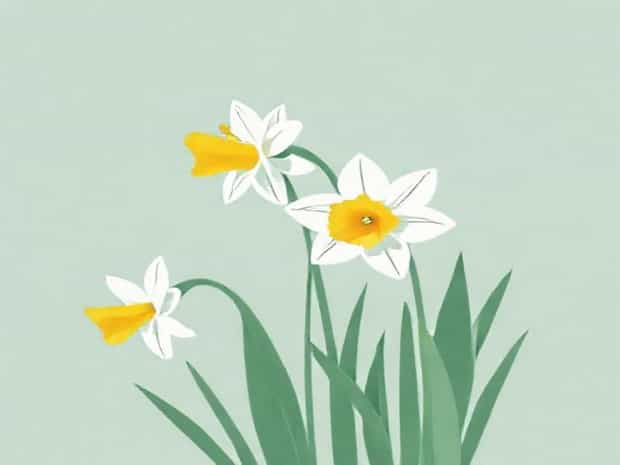
Best Daffodils To Naturalize
When gardeners dream of a landscape that grows more beautiful with each passing year, daffodils often come to mind. Known for their cheerful yellow, white, or orange blooms, these spring flowers are among the easiest to naturalize. Naturalizing means planting bulbs in such a way that they return year after year, often multiplying and spreading into larger drifts. The best daffodils to naturalize are hardy, low-maintenance, and capable of thriving in a variety of conditions. With careful selection, a gardener can create carpets of color that brighten meadows, woodland edges, and garden borders without the need for replanting each season.
Why Choose Daffodils for Naturalizing?
Daffodils, or narcissus, are some of the most reliable bulbs for long-term growth. Unlike many flowers that weaken over time, daffodils actually strengthen and multiply if given the right environment. They are also deer- and rodent-resistant, which makes them ideal for naturalizing in rural or suburban areas. Their adaptability allows them to thrive in lawns, open fields, or under deciduous trees where they receive spring sunlight before the canopy fills in.
Key Advantages of Naturalizing Daffodils
- They multiply naturally and return stronger each year.
- They resist pests such as deer and squirrels.
- They provide a wide range of colors and bloom times.
- They thrive in many soil conditions with minimal care.
- They create a natural, meadow-like aesthetic in gardens and landscapes.
Best Types of Daffodils to Naturalize
Not every daffodil variety is equally suited for naturalizing. Some hybrids are bred for showy blooms but lack the vigor needed to spread over time. For the best results, gardeners should focus on strong, reliable varieties that are proven to multiply easily.
King Alfred Type Daffodils
Perhaps the most iconic of daffodils, King Alfred types are large and golden yellow. They have strong stems, making them suitable for both naturalizing in open spaces and cutting for indoor arrangements. Their bold presence ensures they stand out even when naturalized in large areas.
Tête-à-Tête Daffodils
These miniature daffodils are among the most popular for naturalizing. Their short stems and early blooms make them perfect for garden edges, rockeries, or grassy areas where they create cheerful clusters. Tête-à-Tête daffodils multiply rapidly, forming dense drifts over the years.
Thalia Daffodils
For gardeners seeking elegance, Thalia offers clusters of pure white blooms with a delicate fragrance. These daffodils are vigorous and naturalize well, especially in partially shaded areas like woodland borders. Their graceful form contrasts beautifully with yellow varieties when planted together.
Jetfire Daffodils
Jetfire stands out with its vibrant yellow petals and striking orange-red trumpets. This variety is particularly hardy and excellent for naturalizing in lawns and meadows. Its strong color makes it a favorite for adding vibrancy to larger naturalized plantings.
Pheasant’s Eye Daffodils
Pheasant’s Eye daffodils are late bloomers, extending the flowering season into late spring. Their white petals and small, red-rimmed yellow cups provide a charming and wildflower-like look. These daffodils thrive in natural settings such as grassy fields or along woodland paths.
Ice Follies Daffodils
Known for their reliability, Ice Follies feature large white petals with a creamy-yellow cup that fades to white over time. They are vigorous naturalizers, making them a top choice for those who want a dependable return of flowers every year.
Tips for Successful Naturalizing
Planting daffodils for naturalizing requires slightly different techniques compared to traditional flower beds. To achieve a natural look, bulbs should be scattered randomly rather than placed in formal rows. Over time, they will multiply, filling in gaps and creating a natural sweep of blooms.
Planting Depth and Spacing
Daffodils should be planted at a depth about three times the height of the bulb. For naturalizing, spacing can be irregular to mimic nature, but generally leaving 4-6 inches between bulbs gives them enough room to multiply over the years.
Soil and Light Conditions
Daffodils are adaptable but prefer well-drained soil. Avoid waterlogged areas, as bulbs may rot. Most varieties thrive in full sun to partial shade, especially in places where trees lose their leaves in winter and allow early spring sunlight.
Maintenance for Longevity
- Allow foliage to die back naturally after blooming to recharge bulbs.
- Avoid mowing naturalized areas until leaves have yellowed.
- Consider occasional fertilization with a bulb-boosting formula in autumn or after flowering.
- Divide clumps every few years if they become overcrowded.
Design Ideas for Naturalized Daffodils
The beauty of naturalized daffodils lies in their ability to create a landscape that feels effortless yet stunning. Gardeners can experiment with different planting styles to enhance the charm of their outdoor spaces.
Meadow Plantings
Scatter bulbs across grassy fields to create a wild, meadow-like look. Over time, the flowers will spread, offering waves of color each spring. Mixing early and late bloomers ensures a longer display.
Woodland Edges
Planting daffodils at the edges of wooded areas creates a natural transition between garden and forest. Varieties like Thalia and Pheasant’s Eye thrive in dappled sunlight, adding an enchanting woodland feel.
Lawn Integration
Daffodils can be naturalized directly into lawns, especially miniature types like Tête-à-Tête. This creates a cheerful springtime surprise before the mowing season begins. Just be sure to let foliage mature before cutting the grass.
Mixed Plantings
Combining daffodils with other spring bulbs like crocuses, snowdrops, or tulips extends seasonal color. Choosing complementary colors and bloom times creates a layered effect, ensuring the garden remains vibrant for weeks.
Naturalizing daffodils is one of the most rewarding gardening practices, offering year-after-year beauty with minimal effort. By choosing the best daffodils to naturalize such as Tête-à-Tête, Ice Follies, Jetfire, and Pheasant’s Eye gardeners can enjoy reliable blooms that spread naturally over time. With proper planting and care, these resilient flowers create enchanting landscapes that embody the spirit of spring. Whether scattered in a meadow, integrated into a lawn, or edging a woodland path, naturalized daffodils bring lasting charm to any outdoor space.