Is The Painted Desert A National Park?
The Painted Desert is one of the most visually striking landscapes in the United States, known for its vibrant, multicolored rock formations that stretch across northern Arizona. Visitors are often captivated by the layers of red, orange, purple, and gray that give the desert its name, creating a dramatic natural canvas. Many travelers wonder if the Painted Desert is officially designated as a national park, as its beauty rivals many protected sites across the country. Understanding its status, location, and connection to other protected areas is important for both planning a visit and appreciating the desert’s ecological and cultural significance. The Painted Desert is a remarkable natural feature with historical, geological, and recreational importance.
Location and Geographic Features
The Painted Desert extends approximately 160 miles (about 260 kilometers) from the eastern edge of the Grand Canyon National Park to near Petrified Forest National Park. It covers parts of northern Arizona and includes various geological formations, including mesas, badlands, and eroded valleys. The desert’s colorful strata result from layers of sedimentary rock, clay, siltstone, and volcanic ash that have been exposed over millions of years, creating the striking visual patterns for which it is known.
Colorful Landscapes
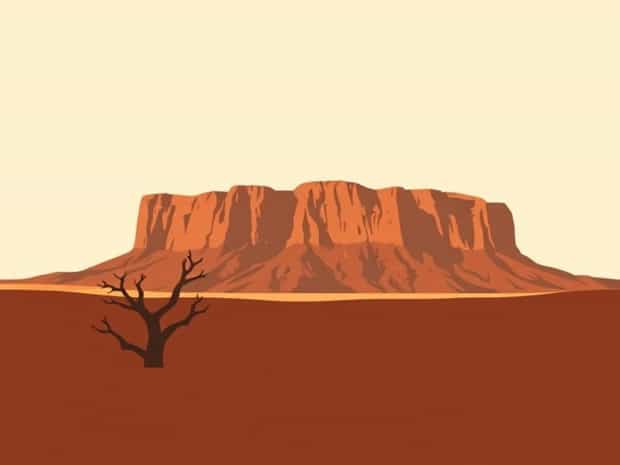
The desert’s distinctive colors change throughout the day, influenced by the position of the sun and atmospheric conditions. Red and orange hues dominate the cliffs and plateaus, while purples, blues, and grays appear in the deeper ravines and rock formations. This range of colors contributes to the Painted Desert’s reputation as a unique geological and artistic marvel, drawing photographers, hikers, and nature enthusiasts alike.
National Park Status
While the Painted Desert itself is not designated as a standalone national park, it is primarily protected within the boundaries of Petrified Forest National Park. This national park, managed by the National Park Service, encompasses a significant portion of the Painted Desert and provides access points, visitor services, and interpretive programs to help people explore and understand the area. The designation as part of a national park ensures the preservation of the desert’s unique geological formations, ecosystems, and archaeological sites.
Petrified Forest National Park
Petrified Forest National Park covers over 230 square miles (nearly 595 square kilometers) and includes not only the colorful Painted Desert but also large deposits of petrified wood, ancient fossils, and significant archaeological sites. Visitors can drive through the park, hike trails, and visit viewpoints that showcase the Painted Desert’s dramatic scenery. By being part of a national park, the Painted Desert benefits from conservation efforts that protect it from development, vandalism, and environmental degradation.
History and Cultural Significance
The Painted Desert has a rich history that predates its inclusion in Petrified Forest National Park. Indigenous peoples, including the Navajo and Hopi tribes, have inhabited or traveled through the region for centuries. The desert holds cultural significance, with rock art, ancient dwellings, and artifacts found throughout the area. These cultural sites are protected within the national park framework, allowing visitors to learn about the human history that intertwines with the natural landscape.
Early Exploration
European settlers and explorers documented the Painted Desert in the 19th and early 20th centuries. Its vivid colors and unique geological features attracted scientific interest, leading to studies in geology, paleontology, and anthropology. Today, interpretive exhibits in Petrified Forest National Park highlight these discoveries and provide educational resources for visitors.
Flora and Fauna
The Painted Desert is not just visually striking but also ecologically diverse. Despite its arid environment, the desert supports a variety of plants and animals adapted to the harsh climate. Protected within the national park, these species thrive with minimal human disturbance.
Plant Life
- Cacti and succulents Adapted to store water and survive long periods of drought.
- Desert shrubs Including sagebrush and saltbush, which stabilize the soil and provide food for wildlife.
- Wildflowers Seasonal blooms add additional color to the already vibrant landscape during certain times of the year.
Animal Life
- Reptiles Lizards and snakes are commonly found, adapted to the arid environment.
- Birds Various bird species, including hawks and ravens, navigate the cliffs and mesas.
- Mammals Coyotes, jackrabbits, and other desert mammals inhabit the area, primarily active during cooler parts of the day or night.
Visiting the Painted Desert
Access to the Painted Desert is primarily through Petrified Forest National Park, which offers visitor centers, viewpoints, and marked trails. While the desert spans a broad area, the park provides convenient and safe ways to explore its features. Many visitors choose scenic drives, stopping at designated overlooks to capture photographs or enjoy short hikes. Guided tours are also available, providing information about geology, ecology, and cultural history.
Best Time to Visit
The desert’s colors are most vivid in the early morning or late afternoon when the sunlight accentuates the red and orange hues. Winter months offer cooler temperatures, making hiking and exploration more comfortable, while summer months can be very hot, requiring careful planning for hydration and sun protection. Visitors should check park schedules and seasonal closures before planning a trip.
Activities
- Photography Capturing the desert’s colors and unique formations is a popular activity.
- Hiking Trails of varying difficulty provide access to overlooks, mesas, and fossil sites.
- Educational programs Visitor centers offer guided walks, lectures, and exhibits about geology, paleontology, and cultural history.
Conservation Efforts
As part of Petrified Forest National Park, the Painted Desert benefits from federal protection and conservation programs. Efforts focus on preserving its natural beauty, protecting archaeological sites, and maintaining biodiversity. Visitors are encouraged to follow Leave No Trace principles, stay on designated trails, and respect cultural and natural resources. Conservation ensures that future generations can experience the Painted Desert’s unique landscapes and ecological richness.
Threats and Challenges
- Vandalism Graffiti or removal of rocks can damage fragile formations.
- Erosion Natural weathering processes shape the landscape but can be accelerated by human activity.
- Climate change Altered rainfall patterns and temperature changes may affect plant and animal life in the desert.
The Painted Desert is not a standalone national park, but it is primarily protected within Petrified Forest National Park in northern Arizona. This designation ensures that the desert’s remarkable colors, geological formations, and cultural artifacts are preserved for scientific study and public enjoyment. Its location in the northeastern part of Arizona, extending from the Grand Canyon region to the vicinity of Petrified Forest, makes it accessible for visitors interested in exploring one of the most visually stunning deserts in the United States. Beyond its aesthetic appeal, the Painted Desert offers ecological diversity, cultural history, and educational opportunities. Whether traveling for photography, hiking, or learning about geology and archaeology, visitors can experience the Painted Desert safely and sustainably within the framework of national park protection. Understanding that the Painted Desert is part of a national park highlights its importance and emphasizes the ongoing efforts to preserve this extraordinary natural wonder for generations to come.