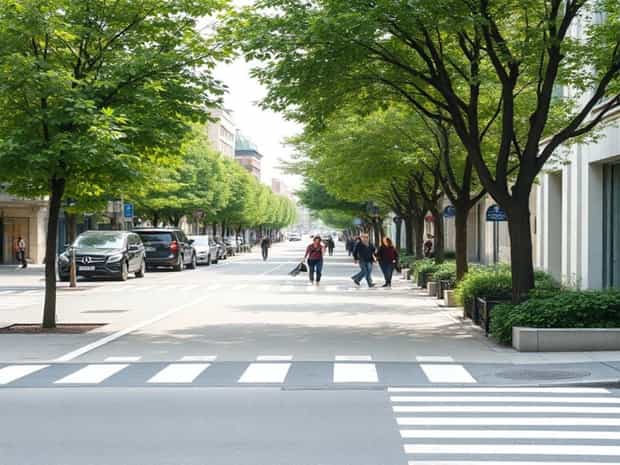
Benefits Of Pedestrianization And Warrants To Pedestrianize An Area
Pedestrianization, the process of transforming streets or areas to prioritize pedestrians over vehicles, has become an increasingly popular urban planning strategy. Cities around the world are recognizing the multiple benefits of pedestrianizing areas, ranging from improving public health to boosting local economies and enhancing environmental sustainability. By restricting or limiting vehicle access, urban planners can create safer, more vibrant, and accessible spaces for people to walk, socialize, and engage in commercial or recreational activities. The decision to pedestrianize an area is often guided by specific warrants or criteria that justify the shift from vehicle-centered to pedestrian-centered planning.
Benefits of Pedestrianization
Improved Public Health
One of the most significant benefits of pedestrianization is the positive impact on public health. By encouraging walking and cycling, pedestrianized areas promote physical activity, reducing the risk of lifestyle-related diseases such as obesity, diabetes, and heart disease. In addition, limiting vehicle access decreases air pollution from traffic emissions, leading to better respiratory health for residents and visitors. Pedestrian-friendly areas also reduce noise pollution, contributing to improved mental well-being and lower stress levels.
Enhanced Safety
Pedestrianization significantly improves safety for all users of urban spaces. With fewer vehicles on the road, the risk of traffic accidents and collisions decreases. Children, elderly individuals, and people with disabilities can navigate these areas more confidently, reducing the likelihood of injuries. Traffic calming measures in pedestrianized zones further minimize the potential for accidents, creating a secure environment where pedestrians can move freely.
Economic Benefits
Transforming streets into pedestrian-friendly zones can stimulate local economies. Pedestrianized areas tend to attract more foot traffic, which benefits local businesses such as cafes, restaurants, retail shops, and markets. Increased visitor numbers can boost sales and support small businesses, fostering vibrant commercial districts. Additionally, pedestrianization can raise property values as areas become more desirable for living, shopping, and leisure.
Environmental Sustainability
Pedestrianization contributes to environmental sustainability by reducing vehicle emissions, lowering carbon footprints, and mitigating climate change. With fewer cars on the streets, cities experience less air pollution, decreased noise levels, and reduced urban heat island effects. Pedestrian zones often include green infrastructure, such as trees, gardens, and parks, which further enhance ecological benefits while creating pleasant and inviting spaces for urban dwellers.
Social and Cultural Benefits
Pedestrianized areas foster social interaction and community engagement. Streets free from heavy traffic provide spaces for public events, outdoor dining, and recreational activities, enhancing the cultural vibrancy of urban areas. Such zones encourage social cohesion as people gather, meet, and interact in safe and accessible environments. Additionally, pedestrianization often preserves historical streetscapes and architectural heritage, enriching the cultural identity of cities.
Warrants to Pedestrianize an Area
High Pedestrian Traffic
Areas with high volumes of pedestrian traffic are prime candidates for pedestrianization. If streets experience congestion due to foot traffic, converting them into pedestrian zones can improve flow, reduce conflicts with vehicles, and enhance the overall pedestrian experience. Shopping districts, tourist areas, and busy urban centers often meet this warrant.
Safety Concerns
Streets with a history of frequent accidents, near-misses, or traffic-related injuries warrant consideration for pedestrianization. Reducing vehicle access in these areas helps protect vulnerable road users and creates a safer environment for walking, cycling, and other non-motorized activities.
Environmental Considerations
Urban areas facing high pollution levels, heavy traffic emissions, or environmental degradation may be prioritized for pedestrianization. By converting vehicle-dominated streets into pedestrian-friendly zones, cities can address air quality issues, decrease noise pollution, and promote sustainability.
Economic and Commercial Justification
Streets or districts with significant commercial potential may be pedestrianized to stimulate local businesses. Increased pedestrian traffic enhances visibility for shops, cafes, and restaurants, making the area more attractive to consumers. Economic analyses often serve as warrants for transforming streets to pedestrian-focused spaces.
Urban Design and Cultural Factors
Areas with historical, cultural, or aesthetic significance can be pedestrianized to preserve heritage and enhance the urban environment. Streetscapes featuring architectural landmarks, public squares, or cultural attractions benefit from reduced vehicular access, allowing residents and tourists to engage more fully with the space.
Challenges and Considerations
While pedestrianization offers numerous benefits, it requires careful planning to address potential challenges. Traffic diversion, accessibility for emergency vehicles, public transportation integration, and community support are critical factors for successful implementation. Engaging stakeholders, conducting traffic impact studies, and developing phased implementation strategies help ensure that pedestrianization projects achieve their intended goals without unintended negative consequences.
Pedestrianization represents a forward-thinking approach to urban planning that prioritizes people over vehicles. Its benefits span public health, safety, economic growth, environmental sustainability, and social cohesion. When warrants such as high pedestrian traffic, safety concerns, environmental needs, commercial potential, and cultural significance are met, pedestrianizing an area can transform urban spaces into vibrant, safe, and inclusive environments. As cities continue to evolve, pedestrianization remains a vital strategy for creating livable, sustainable, and people-centered communities.