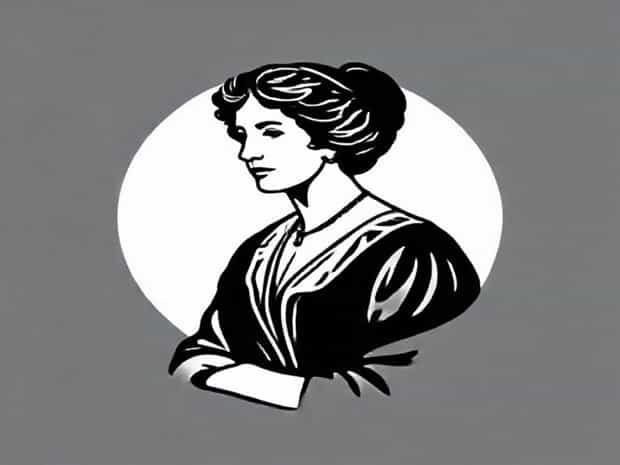
Is Mary Wollstonecraft A Philosopher
Mary Wollstonecraft is widely recognized as a pioneering figure in the history of feminist thought, but many often ask whether she can also be classified as a philosopher. Her writings, especially those challenging social norms, education systems, and the treatment of women, demonstrate rigorous intellectual engagement with ideas central to philosophy. Wollstonecraft’s exploration of human rights, ethics, and rationality reflects a philosophical approach to understanding society and human nature. Assessing her contributions requires examining her work, the intellectual context in which she wrote, and the themes that align with philosophical inquiry, including reason, justice, and moral duty.
Mary Wollstonecraft’s Life and Intellectual Background
Mary Wollstonecraft was born in 1759 in London, England, into a family facing financial and social challenges. Her early experiences shaped her awareness of inequality and injustice, fueling her later critiques of society. Despite limited formal education, Wollstonecraft cultivated an extensive understanding of literature, history, and philosophy through self-directed study. Influenced by Enlightenment thinkers such as John Locke, Jean-Jacques Rousseau, and Immanuel Kant, she developed her own ideas about rationality, education, and the rights of individuals, particularly women. This intellectual foundation positioned her as a thinker deeply engaged with philosophical concepts.
Wollstonecraft’s Major Works
Her most famous work,A Vindication of the Rights of Woman, published in 1792, is often cited as a cornerstone of feminist philosophy. In this book, Wollstonecraft argues for the rational education of women and challenges prevailing notions that women exist solely for beauty or domesticity. She contends that women are capable of reason and moral judgment, deserving of the same educational and social opportunities as men. Beyond this, her lesser-known works, such asA Vindication of the Rights of Menand various essays and letters, further explore political, ethical, and social issues from a philosophical perspective, demonstrating consistent engagement with Enlightenment ideas.
Philosophical Themes in Wollstonecraft’s Writings
Mary Wollstonecraft’s writings contain multiple themes central to philosophy, including ethics, rationality, human rights, and political theory. She frequently examines moral obligations, the role of reason in human behavior, and the principles of justice that should guide society. Her work challenges conventional norms by questioning assumptions about gender, authority, and social hierarchy, reflecting philosophical inquiry into the nature of human existence and societal organization.
Rationality and Education
One of Wollstonecraft’s core philosophical arguments revolves around rationality and education. She asserts that reason is the defining feature of humanity and that all individuals, regardless of gender, should have the opportunity to develop their rational faculties. By advocating for educational equality, she aligns with Enlightenment principles, arguing that reason and knowledge are essential for moral and social development. Her emphasis on rational education demonstrates philosophical thinking about human nature, ethics, and societal improvement.
Ethics and Morality
Wollstonecraft also engages with questions of ethics and morality, particularly regarding the treatment of women and the cultivation of virtue. She critiques societal structures that limit women’s autonomy and moral agency, arguing that these restrictions prevent individuals from fulfilling their potential. Her ethical reasoning is rooted in the belief that moral development requires freedom, education, and the ability to exercise judgment. These considerations place her firmly within the philosophical tradition concerned with human conduct and moral philosophy.
Political Philosophy and Human Rights
Beyond ethics, Wollstonecraft’s work engages deeply with political philosophy. She examines the nature of rights, equality, and justice, connecting these ideas to broader Enlightenment debates about governance and liberty. Her arguments extend beyond women’s rights, addressing the responsibilities of governments and societies to ensure equitable treatment for all citizens. By situating women’s education and autonomy within the context of political rights, Wollstonecraft contributes to philosophical discussions about the intersection of morality, society, and law.
Critique of Social Hierarchies
Wollstonecraft’s writings often critique entrenched social hierarchies, including class and gender structures. She challenges the assumption that social order justifies inequality, arguing that hierarchies based on birth or gender are morally and rationally indefensible. This critical approach reflects philosophical reasoning, where she systematically questions prevailing norms and develops arguments based on logic, evidence, and ethical principles. Her critique of hierarchy also anticipates later philosophical debates on equality, justice, and human rights.
Enlightenment Influence and Philosophical Method
Mary Wollstonecraft’s philosophical approach was shaped by the Enlightenment, a period emphasizing reason, science, and human progress. She adopted the method of rational argumentation characteristic of Enlightenment thinkers, systematically analyzing social practices and moral principles. Like other philosophers of her time, she combined observation, reflection, and logical reasoning to challenge accepted beliefs and propose reforms. Her methodology underscores her identity as a thinker deeply engaged with philosophical inquiry.
Comparisons with Contemporary Philosophers
Wollstonecraft can be compared to male contemporaries such as Rousseau and Locke, who explored education, governance, and human nature. Unlike some of these thinkers, she explicitly addresses women’s experiences, bringing a critical perspective often absent in mainstream philosophy of the period. By doing so, she expands the scope of philosophical discourse, highlighting gender as a crucial dimension of ethical and political thought. Her contributions are therefore both philosophical and groundbreaking in addressing social inequities.
Legacy as a Philosopher
Mary Wollstonecraft’s legacy as a philosopher lies in her rigorous exploration of human rights, ethics, and rationality, coupled with her critique of social and gender inequality. Her work influenced later feminist philosophers, political theorists, and educators, establishing a foundation for ongoing discussions about justice, morality, and equality. While she is often celebrated as a pioneering feminist writer, her systematic reasoning, engagement with Enlightenment thought, and attention to ethical principles demonstrate that she should also be recognized as a philosopher in her own right.
Impact on Modern Philosophy and Feminism
Wollstonecraft’s writings continue to inform modern debates in philosophy, particularly in ethics, political philosophy, and feminist theory. Her insistence on rationality, moral agency, and equality challenges contemporary thinkers to reconsider assumptions about gender, education, and human rights. By framing these issues within philosophical discourse, she has left a lasting impact that extends far beyond her historical context, influencing scholars, activists, and policymakers alike.
Mary Wollstonecraft can confidently be described as a philosopher. Her writings engage with central philosophical themes such as ethics, rationality, human rights, and political theory. Through her advocacy for women’s education, critique of social hierarchies, and use of rational argumentation, she demonstrates a commitment to the systematic exploration of ideas characteristic of philosophical inquiry. While she is often remembered for her contributions to feminism, her intellectual legacy also firmly positions her within the philosophical tradition.
Understanding Wollstonecraft as a philosopher allows us to appreciate her work not only as a historical and feminist milestone but also as a critical contribution to moral, political, and social philosophy. Her reasoning, ethical considerations, and vision for a just society continue to inspire contemporary thought, proving that her influence extends far beyond literature and activism into the broader realm of philosophy itself. Recognizing her philosophical identity ensures that Mary Wollstonecraft is celebrated both for her advocacy and for her profound engagement with the questions that define human society and morality.