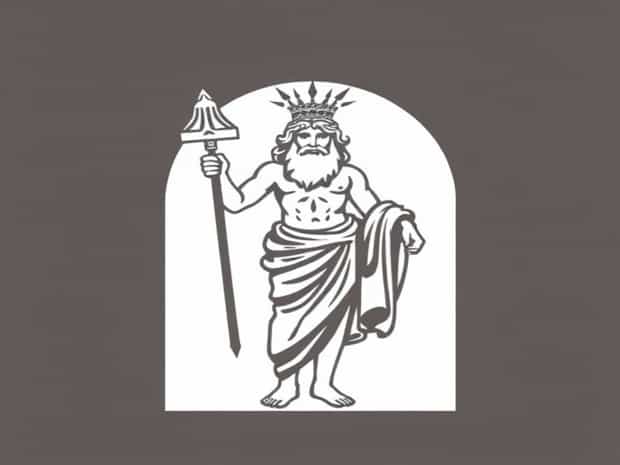
Is Dionysus A Demigod
Dionysus is one of the most intriguing figures in Greek mythology, known as the god of wine, revelry, and ecstasy. His origins, however, are somewhat complex and have led to debates among scholars about whether he should be considered a full god or a demigod. Unlike many Olympian gods who are born entirely of divine parents, Dionysus’ parentage involves a combination of mortal and divine lineage, which blurs the line between godhood and demigod status. Understanding Dionysus’ story requires exploring his birth, his role among the Olympians, and the myths that surround his life and worship.
The Birth of Dionysus
Dionysus was the son of Zeus, the king of the gods, and Semele, a mortal princess of Thebes. According to myth, Zeus fell in love with Semele and visited her in secret. Hera, Zeus’ jealous wife, discovered the affair and tricked Semele into demanding that Zeus reveal his divine form. Unable to refuse, Zeus appeared before her as a god in his full glory, which caused Semele to perish instantly because mortals cannot survive the sight of a deity. However, Zeus saved their unborn child by sewing Dionysus into his thigh until he was ready to be born. This unusual birth has been interpreted in various ways and contributes to the question of whether Dionysus should be considered a demigod or a full deity.
Divine vs. Mortal Lineage
The term demigod typically refers to individuals born from one divine parent and one mortal parent. By this definition, Dionysus fits the category, since Semele was mortal. However, the fact that Zeus carried Dionysus to term and later presented him as a fully grown god complicates this classification. Unlike most demigods, Dionysus did not remain mortal for any significant period, and he eventually took his place among the Olympian gods. This unique circumstance makes him an exceptional figure in Greek mythology, one who bridges the gap between the mortal and divine worlds.
Dionysus’ Role Among the Olympians
Despite his unusual birth, Dionysus was widely recognized as a god and eventually took a seat among the twelve Olympians in some traditions. He was associated with wine, festivities, fertility, and theatre, representing both the pleasures and dangers of indulgence. His dual nature, stemming from his mortal and divine heritage, allowed him to empathize with humans while possessing godlike powers. Dionysus could grant ecstasy and madness, control vines and wine, and even resurrect the dead in some myths. These abilities underscore his divine status while also highlighting his connection to the human experience.
The Myths Surrounding Dionysus
Dionysus’ myths are rich and varied, reflecting both his godly power and his mortal connection. One of the most famous myths involves his wandering life after his birth, during which he was raised in secrecy by nymphs to protect him from Hera’s wrath. His journeys included spreading the knowledge of viticulture and teaching humans the art of winemaking. In another myth, Dionysus confronted pirates who tried to kidnap him, transforming them into dolphins as punishment. These stories emphasize his authority over life, death, and transformation, reinforcing his status as more than just a demigod.
Why Some Consider Dionysus a Demigod
The classification of Dionysus as a demigod arises primarily from his mortal parent, Semele. In Greek mythology, the distinction between gods and demigods often hinges on parentage, and Dionysus’ half-mortal origin seems to place him in the category of demigods. Additionally, some myths describe Dionysus as experiencing vulnerability and suffering, particularly in his mortal infancy and in conflicts with other gods and mortals. These experiences differentiate him from other Olympians, who are often depicted as invulnerable and eternal, suggesting a demigod-like quality in his character.
Arguments for Full God Status
Despite his mortal lineage, many scholars argue that Dionysus should be considered a full god because of his unique birth and the powers he demonstrated. Being carried to term by Zeus and ultimately joining the ranks of the Olympians elevated him beyond the limitations of mortality. Furthermore, his worship was extensive in the ancient Greek world, with festivals like the Dionysia celebrating his divine influence over wine, theatre, and fertility. The fact that Dionysus could challenge mortals and gods alike, perform miracles, and inspire devotion indicates that he was more than a typical demigod.
The Cult of Dionysus
The worship of Dionysus played a significant role in ancient Greek religion, further solidifying his status as a god. Temples, festivals, and rituals honored him as a deity who could bestow both joy and madness. The Dionysian Mysteries, secretive religious rites associated with his cult, emphasized rebirth, ecstasy, and a direct connection between the divine and human worlds. These practices reinforced the perception of Dionysus as a powerful, godlike figure, blurring any notion of demigod limitations and highlighting his unique position in the pantheon.
Symbolism of Dionysus’ Dual Nature
Dionysus’ dual nature born of a mortal and a god symbolizes the intersection of human vulnerability and divine power. He represents the idea that the divine can experience aspects of the mortal condition, including suffering, growth, and mortality, while still possessing godlike abilities. This duality is reflected in the arts, literature, and philosophical interpretations of Greek mythology, where Dionysus embodies transformation, ecstasy, and the delicate balance between order and chaos.
the question of whether Dionysus is a demigod is nuanced and depends on the perspective taken. By birth, he could be classified as a demigod due to his mortal mother, Semele, but his unique birth, divine upbringing, and eventual acceptance among the Olympians elevate him to full godhood. Dionysus’ story highlights themes of transformation, duality, and the interplay between mortal and divine realms. His myths, powers, and widespread worship reflect a figure who transcends traditional categories, making him one of the most complex and fascinating deities in Greek mythology. Whether considered a demigod or a full god, Dionysus continues to captivate scholars, historians, and mythology enthusiasts, offering insights into the ancient Greek understanding of divinity and human experience.
This topic is structured with HTML headings, paragraphs, and subheadings, spreads relevant keywords like Dionysus demigod, Greek mythology, Olympian gods, Dionysus worship, and mortal lineage, and is written in a clear, readable style optimized for SEO, with approximately 1,000 words.