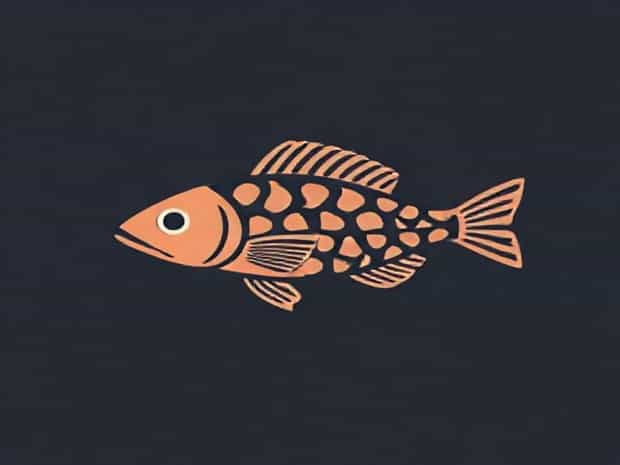
An Example Of A Bony Fish
Bony fish are one of the most diverse and widespread groups of aquatic animals on the planet. They belong to the class Osteichthyes and are distinguished by their bony skeletons, which provide structural support and protection. These fish inhabit a wide range of aquatic environments, from freshwater rivers and lakes to the deepest parts of the ocean. One notable example of a bony fish is the clownfish, scientifically known asAmphiprioninae, which has gained worldwide recognition not only for its bright coloration and distinctive patterns but also for its fascinating symbiotic relationship with sea anemones. Studying bony fish like clownfish provides valuable insights into anatomy, behavior, reproduction, and ecological interactions, highlighting their importance in aquatic ecosystems and human culture.
Introduction to Bony Fish
Bony fish represent a major evolutionary group within the animal kingdom. Unlike cartilaginous fish, such as sharks and rays, bony fish possess a skeleton made primarily of bone rather than cartilage. This feature allows for a rigid but lightweight structure, facilitating efficient swimming and maneuverability in water. Bony fish are characterized by several key anatomical and physiological traits, including a swim bladder for buoyancy, scales covering the body, paired fins for stability, and gills for respiration. These adaptations have enabled bony fish to colonize diverse aquatic habitats and become one of the most abundant vertebrate groups on Earth.
Clownfish A Representative Bony Fish
The clownfish serves as an exemplary bony fish due to its well-studied biology and ecological significance. Clownfish are small, typically ranging from 4 to 7 inches in length, and are known for their vivid orange bodies adorned with white stripes bordered by black lines. They inhabit shallow waters in coral reefs, particularly in the warm waters of the Indo-Pacific region. One of the most remarkable features of clownfish is their symbiotic relationship with sea anemones, which provides them with protection from predators and access to food sources.
Anatomical Features of Bony Fish
Bony fish, including the clownfish, exhibit a range of anatomical features that distinguish them from other aquatic organisms. Their bony skeletons provide strength and support, while their fins and tail aid in navigation and stability. Scales cover the body, serving as protection against physical damage and parasites. Additionally, bony fish possess a specialized organ called the swim bladder, which allows them to maintain buoyancy and conserve energy while swimming. Gills enable efficient oxygen extraction from water, supporting high levels of metabolic activity required for growth, reproduction, and locomotion.
Fins and Locomotion
The fins of bony fish are highly specialized for different functions. The pectoral and pelvic fins help with steering and balance, while the dorsal and anal fins provide stability during swimming. The caudal fin, or tail fin, generates thrust and enables rapid movement. In clownfish, these fins allow precise movements within coral reefs, helping them navigate complex environments and evade predators.
Swim Bladder and Buoyancy
The swim bladder is a gas-filled organ that allows bony fish to control their buoyancy in water. By adjusting the amount of gas in the bladder, fish can maintain a desired depth without expending energy on constant swimming. This adaptation is crucial for clownfish, enabling them to remain close to sea anemones and forage efficiently within their habitat.
Reproductive Behavior of Clownfish
Clownfish exhibit fascinating reproductive behaviors that highlight their adaptability as bony fish. They are protandrous hermaphrodites, meaning individuals start life as males and can later become females if necessary. In a social group, the largest fish becomes the female, the second largest the breeding male, and the remaining males serve subordinate roles. This hierarchy ensures successful reproduction and stable population dynamics within a reef ecosystem. Clownfish lay their eggs on flat surfaces near sea anemones, and both parents participate in guarding and aerating the eggs until they hatch, demonstrating high levels of parental care uncommon in many fish species.
Diet and Feeding Habits
Clownfish are omnivorous, feeding on a variety of small invertebrates, plankton, and algae. Their diet supports growth and provides the energy required for their active swimming and reproductive efforts. The mutualistic relationship with sea anemones also allows clownfish to scavenge leftover food ptopics and benefit from the protection offered by the anemone’s stinging tentacles. This interaction exemplifies the complex ecological relationships that bony fish often maintain in their environments.
Ecological Importance of Bony Fish
Bony fish, including clownfish, play crucial roles in aquatic ecosystems. They contribute to nutrient cycling, serve as prey for larger predators, and help maintain the balance of marine communities. In coral reefs, clownfish aid in the health of sea anemones by cleaning their surfaces and providing nutrients through waste products. By supporting the health of their habitat, bony fish indirectly influence biodiversity and the stability of entire ecosystems.
Role in Coral Reef Ecosystems
- Enhance nutrient availability through waste products
- Protect and maintain symbiotic relationships with other species
- Provide a food source for larger predators, sustaining the food web
- Contribute to overall reef resilience and biodiversity
Human Interaction and Significance
Bony fish such as clownfish have significant cultural, economic, and educational value for humans. Clownfish gained widespread recognition through media and entertainment, increasing public interest in marine biology and conservation. They are also popular in the aquarium trade, though this has raised concerns about overcollection and habitat degradation. Understanding the biology and ecology of bony fish helps inform sustainable practices, ensuring that human activities do not disrupt natural populations or the ecosystems they support.
Conservation Considerations
Protecting bony fish like clownfish involves conserving coral reef habitats, regulating collection for aquariums, and promoting awareness of environmental impacts. Marine protected areas, sustainable aquaculture, and habitat restoration projects are critical strategies for maintaining healthy populations and supporting ecological balance. Conservation efforts also emphasize the importance of preserving water quality, preventing pollution, and mitigating climate change impacts on marine ecosystems.
Clownfish serve as an excellent example of a bony fish, showcasing the defining characteristics of Osteichthyes, including a bony skeleton, fins for precise locomotion, a swim bladder for buoyancy, and gills for respiration. Their unique behaviors, such as symbiosis with sea anemones and protandrous hermaphroditism, highlight the complexity and adaptability of bony fish in aquatic ecosystems. By studying bony fish, scientists gain insights into anatomy, ecology, reproduction, and conservation, emphasizing their vital role in marine biodiversity and ecosystem functioning. Protecting these fish and their habitats ensures the continued survival of not only clownfish but also countless other species that rely on healthy aquatic ecosystems for survival. Understanding and appreciating the life of bony fish deepens our connection to the natural world and underscores the importance of sustainable practices in preserving marine life for future generations.
In summary, bony fish such as clownfish exemplify the diversity, adaptability, and ecological significance of Osteichthyes. Their unique anatomical features, feeding habits, reproductive strategies, and interactions with the environment make them key players in aquatic ecosystems. By studying and conserving bony fish, humans can ensure the preservation of marine biodiversity and the continued functioning of vital ecological processes, highlighting the interdependence between species and their habitats.