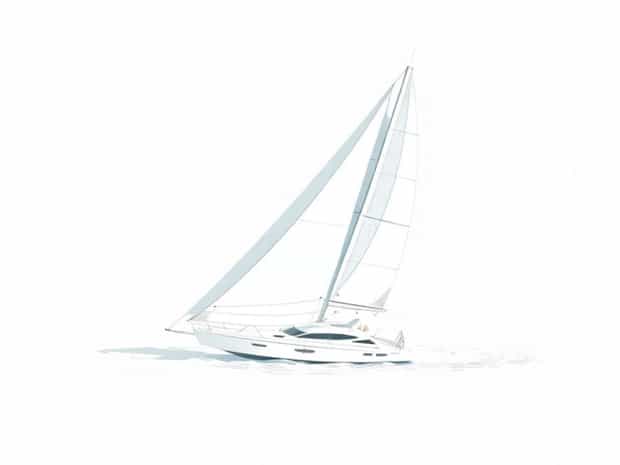
Aero Hydrodynamics And The Performance Of Sailing Yachts
The performance of sailing yachts is influenced by a complex interaction between wind and water forces, which are governed by the principles of aero hydrodynamics. Understanding these forces is essential for both yacht designers and sailors, as optimizing aerodynamic and hydrodynamic efficiency can significantly enhance speed, stability, and maneuverability. The study of aero hydrodynamics combines knowledge from fluid dynamics, naval architecture, and engineering to improve the overall performance of sailing yachts in various wind and sea conditions. By analyzing how air and water flow around the yacht’s hull and sails, designers can minimize resistance and maximize lift, which ultimately affects the yacht’s competitive edge.
Aero Hydrodynamics The Basics
Aero hydrodynamics refers to the combined effects of aerodynamics, which deals with air flow, and hydrodynamics, which deals with water flow. In sailing yachts, the aerodynamic forces act primarily on the sails, while hydrodynamic forces act on the hull, keel, and rudder. The primary goal is to convert wind energy into forward motion efficiently while minimizing drag and maximizing stability. Understanding how these forces interact allows designers to make informed decisions about sail shape, hull design, and keel configuration.
Aerodynamics of Sails
The sails of a yacht function similarly to airplane wings, generating lift and propulsion. The airflow over the sails creates a pressure difference, with lower pressure on the leeward side and higher pressure on the windward side. This pressure difference produces lift, which propels the yacht forward. Sail shape, angle of attack, and tension all influence aerodynamic performance. Modern yachts often employ advanced materials and adjustable rigging to optimize sail aerodynamics under varying wind conditions.
- Sail ShapeCurvature and draft affect lift and drag. A well-shaped sail maximizes propulsion while reducing resistance.
- Angle of AttackThe angle relative to the wind determines how efficiently the sail converts wind energy into forward motion.
- MaterialLightweight and durable materials reduce sail deformation and maintain aerodynamic efficiency.
Hydrodynamics of Hull and Keel
While sails harness wind power, the hull and keel interact with water to provide stability, reduce drag, and facilitate steering. Hydrodynamic performance is crucial for minimizing resistance and ensuring the yacht moves efficiently through water. Hull shape, surface smoothness, and keel design all affect hydrodynamic efficiency. Designers often use computer simulations and physical testing to evaluate water flow patterns around the hull and optimize the balance between speed and stability.
- Hull ShapeStreamlined designs reduce wave-making resistance and increase speed.
- Keel DesignProvides lateral resistance, prevents sideways drift, and enhances lift for better upwind performance.
- Rudder EfficiencyEnsures precise steering with minimal drag, improving maneuverability.
Interaction Between Aerodynamics and Hydrodynamics
For maximum performance, a sailing yacht must harmonize aerodynamic and hydrodynamic forces. For example, when the sails generate lift, the hull and keel counteract sideways forces, allowing the yacht to move forward efficiently. Understanding this interaction is critical in competitive sailing, where minor adjustments to sail trim, hull orientation, or keel configuration can yield significant performance gains. Designers often employ computational fluid dynamics (CFD) to simulate air and water interactions, optimizing both the sail plan and hull shape simultaneously.
Factors Affecting Performance
Several factors influence how aero hydrodynamics impact yacht performance
- Wind ConditionsThe strength and direction of wind determine the optimal sail configuration and angle of attack.
- Sea StateWave height and water currents affect hull resistance and stability.
- Yacht WeightLighter yachts experience reduced drag, while heavier yachts may have better stability in rough conditions.
- Rigging AdjustmentsFine-tuning sail tension and mast position improves aerodynamic efficiency.
- Foils and AppendagesHydrofoils and advanced keel designs reduce drag and lift the hull, increasing speed.
Design Innovations in Modern Yachts
Modern sailing yachts benefit from advanced materials, precision engineering, and computational tools that enhance aero hydrodynamic performance. Carbon fiber masts, lightweight hulls, and laminated sails reduce weight while maintaining strength and rigidity. Innovative keel shapes, retractable foils, and hydro-dynamically optimized rudders minimize drag and improve lift, enabling yachts to achieve higher speeds even in challenging conditions. Performance-oriented yachts also integrate sensors and data analytics to monitor aerodynamic and hydrodynamic efficiency in real time.
Case Studies in Competitive Sailing
In high-level competitions such as the America’s Cup, the role of aero hydrodynamics is evident. Yachts are designed to optimize both sail and hull performance, achieving exceptional speed and maneuverability. CFD simulations and wind tunnel testing allow teams to refine sail shapes and adjust hull designs to minimize resistance. Understanding how air and water forces interact gives sailors a strategic advantage, allowing precise adjustments that improve performance under different wind and sea conditions.
Practical Implications for Sailors
Sailors can apply principles of aero hydrodynamics to improve performance on the water. Proper sail trim, hull maintenance, and understanding how wind and currents affect the yacht are essential for maximizing speed and stability. Regular inspection of sails and hull surfaces ensures minimal drag, while adjustments to sail angle and tension enhance lift. By combining technical knowledge with practical experience, sailors can optimize their yacht’s performance and make informed tactical decisions during races.
The study of aero hydrodynamics is fundamental to understanding the performance of sailing yachts. By analyzing how wind interacts with sails and water interacts with hulls and keels, designers and sailors can optimize speed, stability, and maneuverability. Advances in materials, computational modeling, and design innovations continue to push the limits of yacht performance, allowing modern vessels to achieve remarkable efficiency and agility. Whether for competitive racing or recreational sailing, a strong grasp of aero hydrodynamics enables sailors to harness the full potential of their yachts and navigate waters with precision and speed.