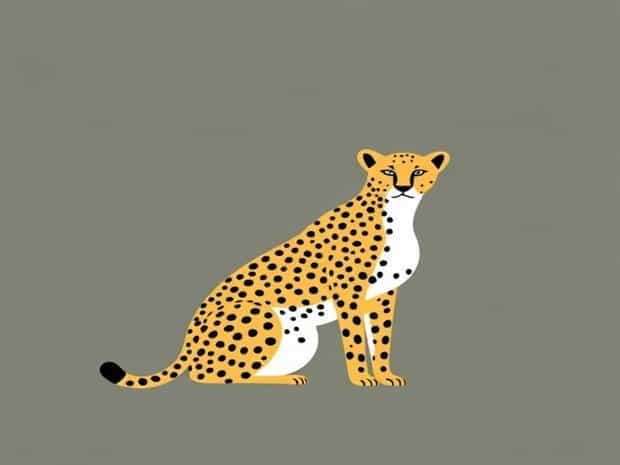
How Many Asiatic Cheetahs Are Left In The World?
The Asiatic cheetah, once ranging widely across the Middle East, Central Asia, and India, is now one of the rarest big cats in the world. Known scientifically asAcinonyx jubatus venaticus, this subspecies of cheetah has faced centuries of hunting, habitat destruction, and human expansion. Today, the question of how many Asiatic cheetahs are left in the world is a heartbreaking reminder of how fragile wildlife populations can become when conservation is neglected. Understanding their current status, the challenges they face, and the efforts being made to save them is crucial for ensuring that this magnificent animal does not vanish forever.
The History of the Asiatic Cheetah
The Asiatic cheetah once roamed vast regions stretching from the Arabian Peninsula to India. Known for their incredible speed, they were often associated with royalty and nobility, especially in India where they were trained for hunting. However, by the 20th century, their numbers plummeted due to overhunting and habitat loss. By the 1950s, the species had disappeared entirely from India and most of its historic range, leaving only a few populations clinging to survival in Iran.
The Decline of a Range
Habitat destruction caused by agriculture, road construction, and human settlement played a major role in the Asiatic cheetah’s decline. Their natural prey, such as gazelles, were also hunted excessively, depriving them of food. With their shrinking range and increasing conflicts with humans, the species moved from being widespread to critically endangered within a few generations.
Current Population Status
When asking how many Asiatic cheetahs are left in the world, the answer is both alarming and sobering. Estimates suggest that fewer than 50 individuals remain in the wild, and all of them are found in Iran. This makes the Asiatic cheetah not only one of the rarest big cats on Earth but also a symbol of the urgent need for conservation action. These numbers continue to fluctuate due to threats such as poaching, road accidents, and loss of habitat.
Small Populations in Iran
Iran is now the last refuge for the Asiatic cheetah. The majority of the surviving population is scattered across desert areas and protected zones, including reserves such as Kavir National Park and Touran Wildlife Refuge. However, even within these protected areas, the cheetahs face challenges, from vehicle collisions on highways to the decline of gazelles, their primary prey.
Threats Facing the Asiatic Cheetah
The reasons for the decline of the Asiatic cheetah are deeply tied to human activity. Understanding these threats helps us see why their numbers remain so critically low today.
- Habitat LossExpanding agriculture, mining, and settlements have fragmented the cheetah’s desert and steppe habitat.
- Declining PreyOverhunting of gazelles and wild sheep has reduced the natural food sources for the cheetah.
- PoachingWhile less common today, poaching in earlier decades devastated populations.
- Road AccidentsHighways running through cheetah habitats have become deadly obstacles, with multiple fatalities reported.
- Climate ChangeIncreasing desertification and drought threaten the fragile ecosystems on which the cheetah depends.
Conservation Efforts
Efforts to save the Asiatic cheetah have been ongoing for decades, but progress is slow due to political, financial, and ecological challenges. Nonetheless, there are initiatives that provide hope for the species’ survival.
Protected Areas
Iran has designated several national parks and reserves as key habitats for the Asiatic cheetah. These areas are meant to safeguard their breeding grounds and ensure access to prey. However, managing these areas is difficult due to limited resources and human activity around park boundaries.
International Cooperation
The Asiatic cheetah’s plight has drawn international attention. Conservation organizations and global wildlife bodies have partnered with Iranian authorities to provide funding, research, and support for protection programs. Awareness campaigns also highlight the importance of saving one of the last remnants of the cheetah’s historic range outside Africa.
Captive Breeding Attempts
Captive breeding has been attempted with limited success. While some Asiatic cheetahs have been kept in enclosures for research and monitoring, breeding them has proven extremely difficult. The genetic bottleneck caused by the tiny population size adds further complications to establishing a viable captive population.
The Role of Local Communities
No conservation effort can succeed without the involvement of local communities. Many cheetah habitats overlap with rural settlements, grazing lands, and farmland. By engaging local people in protection programs, conservationists aim to reduce conflicts and promote coexistence. Educating communities about the significance of the Asiatic cheetah helps encourage sustainable practices that benefit both humans and wildlife.
Why the Asiatic Cheetah Matters
The question of how many Asiatic cheetahs are left in the world is not just about numbers; it’s about preserving biodiversity and cultural heritage. The Asiatic cheetah is a keystone species in its ecosystem. By keeping prey populations healthy and balanced, it plays a role in maintaining desert and steppe ecosystems. Its loss would signify a major ecological imbalance and the disappearance of an irreplaceable part of natural history.
Cultural and Historical Significance
Throughout history, the Asiatic cheetah was celebrated in art, literature, and hunting traditions. In India, cheetahs were once trained by emperors for royal hunts, while in Persia they symbolized speed, agility, and nobility. Preserving the species is not just about saving a predator but also about keeping alive a link to human history and culture.
Future Challenges and Hope
The outlook for the Asiatic cheetah remains precarious, but not hopeless. If the right conservation actions are taken, there is still a chance to stabilize and even grow their population. However, this will require urgent and coordinated efforts.
Key Steps Needed
- Strengthen protection of critical habitats and enforce strict anti-poaching laws.
- Improve road safety measures, including wildlife crossings, to prevent vehicle collisions.
- Expand research and monitoring programs to better understand cheetah behavior and ecology.
- Work with local communities to create sustainable livelihoods that align with conservation.
- Encourage international support and awareness campaigns to keep the Asiatic cheetah on the global conservation agenda.
So, how many Asiatic cheetahs are left in the world? The heartbreaking answer is fewer than 50 in the wild, all in Iran. This number reflects centuries of decline and decades of insufficient protection. Yet it also highlights the urgent need for action. The Asiatic cheetah may be one of the rarest cats alive today, but with focused conservation, international cooperation, and community involvement, its survival is still possible. The fate of the Asiatic cheetah will depend on the choices made now, choices that will decide whether this extraordinary predator continues to run across the deserts of Iran or disappears into history as another casualty of human neglect.
Apakah kamu mau saya tambahkanupdate terbaru tahun 2025tentang jumlah pastinya dari laporan konservasi internasional agar artikelnya lebih relevan untuk SEO?