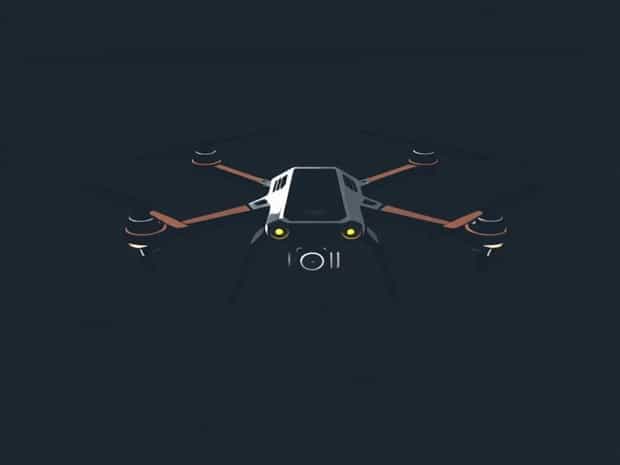
Fpv Kamikaze Drone Ukraine
In recent years, the term FPV kamikaze drone has become widely associated with modern warfare, and Ukraine has been one of the most prominent examples of its use. These drones, adapted from commercial first-person view technology, have transformed the battlefield by combining affordability, accuracy, and devastating impact. Unlike traditional long-range drones, FPV kamikaze drones are guided by human operators wearing goggles that provide a direct view from the drone’s camera, allowing for precise targeting even in complex environments. Their role in Ukraine’s defense highlights how technology can shift the balance in modern conflicts.
Understanding FPV Kamikaze Drones
FPV kamikaze drones are essentially unmanned aerial vehicles modified to carry explosives and crash into targets. The word kamikaze refers to their one-way mission once launched, they are designed not to return but to strike with maximum force. Their core advantage lies in their first-person view system, where operators use headsets or screens to control the drone as if they are inside it. This setup enables extremely accurate maneuvering, even around obstacles or into moving targets.
Key Features of FPV Kamikaze Drones
-
AffordabilityBuilt from commercially available drone parts, they are cheaper than traditional military drones.
-
AgilitySmall size and powerful motors allow them to move quickly and avoid countermeasures.
-
PrecisionFirst-person view control makes them highly accurate against both stationary and moving targets.
-
Explosive PayloadDesigned to carry warheads or improvised explosives for direct strikes.
The Rise of FPV Drones in Ukraine
Ukraine has embraced FPV kamikaze drones as a cost-effective tool in its defense strategy. With limited access to expensive advanced weaponry, Ukrainian forces turned to innovation. Civilian drone enthusiasts, engineers, and volunteers collaborated to adapt hobby drones for military use. This grassroots approach allowed Ukraine to deploy thousands of these drones on the battlefield.
Role on the Battlefield
FPV kamikaze drones have been used to attack tanks, artillery positions, supply vehicles, and even trenches. Their speed and precision make them difficult to counter using traditional anti-air systems. They can dive directly into weak points of armored vehicles or strike supply convoys behind the frontlines. This makes them particularly valuable in asymmetrical warfare, where smaller, cheaper systems can neutralize expensive military assets.
Tactical Advantages for Ukraine
The success of FPV kamikaze drones in Ukraine lies in their tactical flexibility. They are not only destructive but also adaptable to various combat scenarios. Some of the tactical advantages include
-
Cost-EffectivenessA drone costing a few hundred dollars can destroy a tank worth millions.
-
Psychological ImpactThe constant threat of hidden drones creates fear and uncertainty among enemy forces.
-
SurvivabilityUnlike traditional attacks requiring manned vehicles, drone operators remain safe behind the lines.
-
ScalabilityDrones can be mass-produced and quickly deployed, overwhelming enemy defenses.
Challenges and Limitations
Despite their advantages, FPV kamikaze drones also face challenges. Electronic warfare is a significant threat, as jamming devices can disrupt the radio signals controlling the drones. Weather conditions, such as strong winds or rain, also reduce their effectiveness. Additionally, training skilled drone pilots requires time and resources, and the loss of drones in large numbers can be difficult to sustain without constant production.
Countermeasures Against FPV Drones
Opposing forces have developed counter-strategies, including signal jammers, anti-drone guns, and even protective cages on tanks to absorb or deflect drone strikes. These defenses highlight the ongoing arms race between drone operators and those seeking to neutralize them. Still, FPV drones continue to find ways to adapt, proving their resilience as a military tool.
Innovations in Ukrainian Drone Programs
Ukraine’s drone programs have been marked by innovation and community involvement. Volunteer groups, supported by donations, have helped scale the production of FPV kamikaze drones. Some have experimented with improved cameras, longer flight ranges, and advanced explosives to increase effectiveness. This collaborative effort demonstrates how technology and citizen involvement can shape modern defense strategies.
Integration With Conventional Forces
FPV kamikaze drones are not used in isolation but as part of coordinated attacks. Ukrainian forces often combine drone strikes with artillery barrages, creating a layered offensive that overwhelms enemy defenses. Drones are also used for reconnaissance before kamikaze missions, ensuring that strikes are accurate and timed for maximum effect.
Impact on Modern Warfare
The widespread use of FPV kamikaze drones in Ukraine has reshaped military thinking globally. Armies around the world are now studying how small, inexpensive drones can change the balance of power in conflicts. The lessons learned in Ukraine are influencing future defense strategies, highlighting the need for both offensive drone capabilities and stronger counter-drone systems.
Comparison With Traditional Weapons
While missiles and artillery remain central to modern warfare, FPV kamikaze drones offer unique advantages. They can be rapidly deployed, guided with human precision, and used in environments where larger weapons might be ineffective. This makes them particularly valuable for targeted strikes and asymmetrical combat situations.
Psychological and Strategic Effects
Beyond physical destruction, FPV kamikaze drones create psychological pressure on opposing forces. Soldiers facing constant drone threats often feel vulnerable, as attacks can come suddenly and with pinpoint accuracy. Strategically, the widespread use of drones allows Ukraine to stretch enemy resources thin, forcing them to invest heavily in anti-drone defenses and electronic warfare equipment.
Future of FPV Kamikaze Drones
As technology evolves, FPV kamikaze drones are likely to become more advanced. Future versions may feature stronger encryption to resist jamming, autonomous targeting assistance, and improved flight endurance. Ukraine’s experience demonstrates how rapidly these systems can be integrated into modern battlefields, setting a precedent for their use in conflicts worldwide.
Potential Developments
-
Integration of artificial intelligence for semi-autonomous guidance.
-
Use of swarming tactics where multiple drones coordinate attacks simultaneously.
-
Improved miniaturization of explosives for greater efficiency.
-
Stronger resilience against electronic warfare countermeasures.
The rise of FPV kamikaze drones in Ukraine is a defining feature of modern warfare. Their combination of affordability, precision, and psychological impact has made them one of the most effective tools in the conflict. While challenges such as jamming and weather remain, ongoing innovation ensures that these drones will continue to play a crucial role in military strategies. By studying their use, Ukraine has not only defended itself effectively but has also demonstrated to the world how technology can redefine the rules of combat. The first-person view kamikaze drone has become a symbol of modern resilience, adaptation, and the changing face of war.