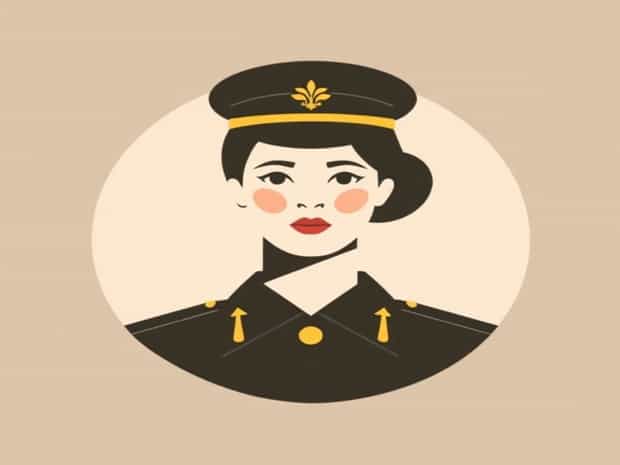
First Female Brigadier General
The promotion of the first female brigadier general marked a groundbreaking moment in military history, reshaping traditional views about leadership and gender roles in the armed forces. Her achievement was not only a personal milestone but also a symbol of progress for women across the world, opening doors for countless others to pursue leadership positions in military service. By achieving the rank of brigadier general, she challenged long-standing barriers, demonstrated exceptional dedication, and helped change the perception of women in uniform forever.
Background of the Achievement
When women first entered military service in larger numbers during the 20th century, their roles were often limited to support functions such as nursing, administration, or logistics. Despite their significant contributions during wartime, leadership positions remained largely reserved for men. The rise of the first female brigadier general proved that women could not only serve capably but also lead with authority, strategic vision, and resilience.
This promotion symbolized a shift in the military’s acknowledgment of talent and merit, paving the way for more inclusive policies. It showed that leadership is defined not by gender but by skill, discipline, and the ability to inspire others.
Who Was the First Female Brigadier General?
The honor of becoming the first female brigadier general in the United States military belongs to Anna Mae Hays, who achieved this milestone in 1970. A highly respected Army nurse, Hays devoted her career to improving military medicine, serving in World War II, the Korean War, and the Vietnam War. Her promotion represented the culmination of years of service and excellence in her field.
On the same day, another trailblazer, Elizabeth P. Hoisington, also received the rank of brigadier general, making them both the first women generals in U.S. Army history. Their simultaneous promotions reflected the growing recognition of women’s indispensable contributions to the armed forces.
Military Career of Anna Mae Hays
Anna Mae Hays was born in 1920 and began her career in the Army Nurse Corps during World War II. She was deployed to various theaters of war, where she demonstrated courage and medical expertise under difficult conditions. Later, during the Korean War, she provided critical leadership in battlefield medical care, helping to improve treatment and survival rates for wounded soldiers.
Her leadership extended into the Vietnam War, where her ability to organize medical services in complex and high-pressure environments earned her deep respect. Hays eventually rose to become the Chief of the Army Nurse Corps, where she implemented reforms that improved working conditions and expanded opportunities for military nurses.
Military Career of Elizabeth P. Hoisington
Elizabeth P. Hoisington, who was promoted alongside Hays, served as Director of the Women’s Army Corps (WAC). She played a central role in shaping policies for women in the Army, ensuring that female service members received proper recognition, resources, and opportunities for advancement.
Hoisington’s career emphasized administrative leadership, policy reform, and the integration of women into broader military structures. Her promotion to brigadier general symbolized the military’s growing willingness to recognize women in leadership roles beyond medical or support positions.
Significance of the Promotion
The promotion of the first female brigadier general carried deep symbolic and practical meaning. It demonstrated that women could reach the highest levels of leadership and that their contributions were essential to national defense. The milestone also served as a powerful motivator for future generations of women in uniform.
Key Impacts
- Breaking barriers in a male-dominated institution.
- Establishing women as capable leaders in combat and non-combat roles.
- Encouraging policy changes to expand opportunities for female service members.
- Providing a visible role model for women aspiring to military careers.
This achievement was not just about rank; it was about redefining the potential and scope of women’s service in the armed forces.
Challenges Faced by Women in the Military
Reaching the rank of brigadier general was not easy. Women like Anna Mae Hays and Elizabeth Hoisington faced institutional barriers, skepticism, and sometimes outright discrimination. For decades, military policy limited the roles women could hold, often excluding them from combat assignments and restricting their career advancement.
Despite these challenges, women persisted, proving their capability in every conflict. Their resilience not only helped them rise through the ranks but also forced the military establishment to reconsider outdated policies. By the time Hays and Hoisington were promoted, the armed forces had already begun to recognize that female service members were essential to mission success.
Legacy of the First Female Brigadier General
The legacy of the first female brigadier general lives on in today’s armed forces, where women now serve in leadership roles across all branches, including positions as generals and admirals. This historic promotion paved the way for greater inclusivity and diversity in military leadership, ensuring that future generations of women could aim higher without facing the same systemic barriers.
Today, female generals serve not only in medical or administrative roles but also in combat commands, intelligence, logistics, and strategic planning. The doors opened by Hays and Hoisington continue to benefit thousands of women who serve their countries with honor and distinction.
Women in Modern Military Leadership
Since the first female brigadier general, the number of women in high-ranking positions has steadily increased. Women now serve as four-star generals, chiefs of staff, and leaders of major commands. These advancements reflect the continued progress in military gender equality and the recognition of diverse leadership strengths.
Modern military policies increasingly emphasize equal opportunity, allowing women to compete for positions based on merit rather than restrictions tied to gender. This evolution can be traced directly back to the pioneering achievements of the first female generals.
Cultural and Social Influence
The promotion of the first female brigadier general also influenced broader society. At a time when gender equality movements were gaining momentum, the event served as a powerful symbol that women could succeed in the highest levels of traditionally male-dominated fields. It inspired women not only in the military but also in politics, business, education, and other sectors of public life.
By proving that women could lead in one of the toughest institutions, the military, Anna Mae Hays and Elizabeth Hoisington helped change cultural perceptions of leadership and competence. Their success contributed to the growing acceptance of women in all areas of public service.
Honors and Recognition
Both Hays and Hoisington received honors for their service, not only in recognition of their groundbreaking promotions but also for their dedication to their respective roles. Their legacies are remembered in military history as symbols of perseverance and achievement. Museums, military academies, and historical societies often highlight their careers as examples of leadership and determination.
Their names remain closely associated with the advancement of women in the armed forces, serving as constant reminders of how one milestone can influence generations to come.
The promotion of the first female brigadier general was a turning point in military and social history. It reflected the courage, determination, and excellence of women who refused to be limited by outdated norms. Anna Mae Hays and Elizabeth P. Hoisington broke barriers and reshaped what leadership looked like in the armed forces. Their achievements continue to inspire service members and civilians alike, proving that progress comes when talent and dedication are recognized above all else. The story of the first female brigadier general remains a cornerstone in the broader history of equality and leadership in the military.