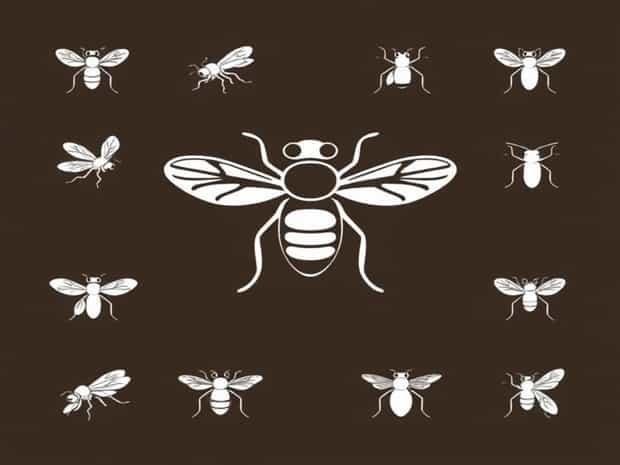
Family Of Tsetse Fly
The tsetse fly is a fascinating and notorious insect that belongs to the family Glossinidae, known for its role as a vector of African trypanosomiasis, commonly referred to as sleeping sickness in humans and nagana in animals. Found primarily in sub-Saharan Africa, tsetse flies have evolved unique biological and ecological traits that make them both a challenge and an important subject of study for scientists. Understanding the family of tsetse flies, their life cycle, behavior, and ecological impact is crucial for managing the diseases they transmit and for appreciating their role in the environment.
Introduction to the Tsetse Fly Family
The family Glossinidae, commonly called tsetse flies, consists of about 23 species divided into three main groups morsitans, palpalis, and fusca. Each species has adapted to different ecological niches, ranging from savannas to riverine forests. Tsetse flies are hematophagous insects, meaning they feed exclusively on the blood of vertebrate hosts. This feeding behavior is central to their role in disease transmission and also defines much of their biology.
Classification and Taxonomy
The family Glossinidae belongs to the order Diptera, which includes all true flies. Within Glossinidae, the genus Glossina comprises all tsetse fly species. Taxonomically, they are further divided into species groups based on habitat preferences and physical characteristics
- Morsitans groupTypically found in savanna regions and feed mainly on wild mammals.
- Palpalis groupFound near rivers and lakes, often biting humans and domestic animals.
- Fusca groupReside in dense forests and have a more limited range of hosts.
Physical Characteristics
Tsetse flies are relatively large compared to common houseflies, measuring between 6 to 14 millimeters in length. They have distinctive mouthparts adapted for piercing skin and sucking blood. Their wings fold over their backs in a unique scissor-like pattern when at rest. The coloration varies among species but generally includes shades of brown or yellow, often with distinctive wing venation patterns that help in identification. These physical traits not only aid in their survival but also make them efficient vectors of trypanosome parasites.
Life Cycle of Tsetse Flies
The life cycle of tsetse flies is unique among insects because they are viviparous, giving birth to live larvae rather than laying eggs. After mating, the female tsetse fly nurtures a single larva inside her body, feeding it with milk-like secretions until it is ready to pupate. Once mature, the larva is deposited into the soil, where it quickly forms a puparium. The pupal stage lasts for several weeks, depending on environmental conditions, before emerging as an adult fly ready to feed and reproduce.
Feeding Behavior and Disease Transmission
Tsetse flies feed exclusively on blood, which makes them vectors for trypanosomes, the parasitic protozoa responsible for sleeping sickness and nagana. When a tsetse fly bites an infected host, it ingests trypanosomes, which then multiply and develop in the fly’s salivary glands. Subsequent bites transmit the parasites to new hosts. This feeding and transmission process is highly efficient, which is why tsetse flies have a profound impact on both human health and livestock productivity in affected regions.
Host Preferences
- Morsitans group primarily targets wild mammals but will occasionally feed on livestock.
- Palpalis group frequently bites humans and domesticated animals, increasing disease transmission risk.
- Fusca group mainly feeds on forest mammals and has less interaction with humans.
Habitat and Distribution
Tsetse flies are found exclusively in sub-Saharan Africa, inhabiting a range of environments from dense forests to open savannas. Their distribution is heavily influenced by vegetation, host availability, and climate conditions. In riverine areas, the palpalis group thrives, while morsitans species dominate the savanna landscapes. These habitat preferences play a critical role in understanding and controlling tsetse populations and the diseases they spread.
Ecological Importance
Despite their reputation as disease vectors, tsetse flies have ecological roles within their ecosystems. They help regulate the populations of wild mammals, preventing overgrazing in certain regions. Predators, including birds, reptiles, and other insects, rely on tsetse flies as a food source. Their presence is part of a delicate ecological balance that maintains the health of savanna and forest ecosystems.
Control and Management Strategies
Managing tsetse fly populations is essential to reduce the incidence of trypanosomiasis in humans and animals. Several strategies have been developed to control their numbers and minimize disease transmission
Methods of Control
- Insecticide-treated traps and targetsThese attract and kill tsetse flies using specific chemical cues.
- Biological controlIntroducing natural predators or sterile male techniques to reduce reproduction.
- Habitat managementClearing vegetation along riverbanks and reducing tsetse-friendly environments.
- Chemical spraysSelective use of insecticides to target tsetse populations without harming other species.
Impact on Human and Animal Health
Tsetse flies have a significant impact on public health and agriculture in Africa. Human African trypanosomiasis (sleeping sickness) can cause severe neurological symptoms, including confusion, sleep disturbances, and, if untreated, death. Livestock infected with animal trypanosomiasis (nagana) experience weight loss, reduced milk production, and death, leading to economic losses for farmers. Understanding the biology and behavior of the tsetse fly family is essential for developing effective prevention and treatment strategies.
Prevention and Awareness
- Use of protective clothing and insect repellents in endemic areas.
- Regular screening and treatment for humans in high-risk regions.
- Veterinary care and trypanocidal drugs for livestock.
- Community education programs to raise awareness about tsetse fly habitats and behaviors.
The family of tsetse flies, Glossinidae, represents a unique and complex group of insects with profound ecological and medical significance. Their specialized blood-feeding behavior, viviparous reproduction, and habitat preferences make them efficient vectors of trypanosome parasites, affecting both humans and animals across sub-Saharan Africa. While they are often seen as pests due to the diseases they transmit, tsetse flies also play important ecological roles in regulating wildlife populations and serving as food sources for other animals. Effective control and management strategies, combined with public awareness, are essential to minimize the negative impacts of tsetse flies while respecting their role in the ecosystem. Understanding this fascinating family of insects provides insight into the delicate balance between nature, disease, and human activity in the regions they inhabit.
Research and ongoing efforts to control tsetse fly populations continue to evolve, offering hope for improved public health and agricultural productivity. Studying the family of tsetse flies not only informs disease prevention strategies but also enhances our understanding of biodiversity and ecological interactions within African landscapes.