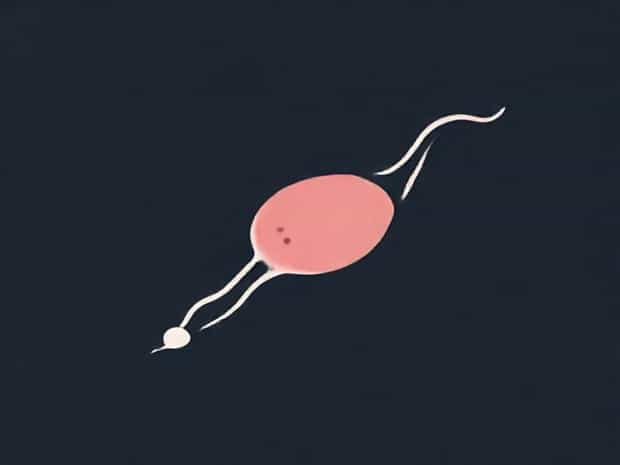
Explain The Structure Of Sperm And Ovum
Reproduction is one of the fundamental processes of life, and understanding the structure of gametes the sperm and the ovum is essential to grasp how fertilization occurs. Both gametes are highly specialized cells designed for the purpose of sexual reproduction, carrying genetic material from each parent to create a new organism. The structure of sperm and ovum is remarkably adapted to their roles, with each exhibiting unique features that facilitate movement, protection, and successful fertilization. Studying these structures provides critical insight into human biology, fertility, and developmental processes.
Structure of Sperm
The sperm, also known as the male gamete, is a small, motile cell optimized for transporting genetic material to the ovum. Its streamlined structure is designed to enhance mobility and efficiency in navigating the female reproductive tract.
Head of the Sperm
The head of the sperm is oval-shaped and contains the nucleus, which houses the father’s genetic material in the form of highly condensed chromatin. This condensation allows the sperm to carry a full set of chromosomes in a compact form. At the anterior tip of the head lies the acrosome, a specialized organelle containing digestive enzymes. These enzymes play a crucial role during fertilization by helping the sperm penetrate the protective layers of the ovum, specifically the zona pellucida, ensuring that the genetic material can be delivered effectively.
Midpiece of the Sperm
The midpiece is the segment connecting the head to the tail and is packed with mitochondria. These mitochondria generate the energy required for the sperm’s movement. The ATP produced powers the whip-like movements of the tail, allowing the sperm to swim through the female reproductive tract toward the ovum. The high density of mitochondria in the midpiece reflects the energetic demands of this journey, making it a vital component for the sperm’s functionality.
Tail or Flagellum
The tail, also known as the flagellum, is a long, slender structure that propels the sperm forward. Its movements are powered by the energy produced in the midpiece and involve complex bending patterns that enable navigation through the viscous environment of the reproductive tract. The tail is composed of microtubules arranged in a 9+2 pattern, a structure characteristic of eukaryotic flagella, which allows for coordinated movement and high-speed swimming.
Structure of Ovum
The ovum, or female gamete, is much larger than the sperm and is specialized for nurturing and supporting early embryonic development. Its structure reflects its role in receiving the sperm, providing nutrients, and supporting the initial stages of growth following fertilization.
Cytoplasm
The cytoplasm of the ovum is abundant and contains yolk granules that provide essential nutrients for the early stages of embryonic development. These nutrients are critical in sustaining the zygote until implantation and the establishment of a connection with maternal blood supply. The cytoplasm also contains organelles such as mitochondria, endoplasmic reticulum, and ribosomes, which are necessary for protein synthesis and metabolic activities after fertilization.
Nucleus
The nucleus of the ovum, often called the germinal vesicle during development, contains the maternal genetic material. It is haploid, meaning it carries half the number of chromosomes required for the species. Upon fertilization, the ovum’s nucleus fuses with the sperm’s nucleus, restoring the diploid number and creating a complete set of chromosomes for the new organism.
Zona Pellucida
Surrounding the ovum is the zona pellucida, a thick glycoprotein layer that provides protection and regulates sperm entry. This layer plays a critical role in fertilization by binding specific sperm receptors and initiating the acrosomal reaction, which allows only one sperm to penetrate and prevents polyspermy. The zona pellucida also protects the ovum from mechanical damage and microbial infection.
Corona Radiata
The ovum is further surrounded by the corona radiata, a layer of follicular cells that supply additional nutrients and support. These cells communicate with the ovum through cytoplasmic bridges and contribute to its maturation and overall viability. The corona radiata also assists in guiding sperm toward the ovum, enhancing the likelihood of successful fertilization.
Functional Adaptations
The structural differences between sperm and ovum reflect their distinct roles in reproduction. The sperm is lightweight, mobile, and designed for reaching the ovum, while the ovum is stationary, nutrient-rich, and structured to support the early stages of life. Both gametes are complementary, with the sperm’s motility and genetic contribution matching the ovum’s protective and nurturing features. These adaptations ensure that fertilization can occur efficiently and that the resulting zygote has the resources required for initial development.
Comparison of Sperm and Ovum
- SizeSperm are microscopic, designed for speed, whereas ova are much larger to store nutrients.
- MobilitySperm are motile due to their tail, while ova are generally stationary.
- Nutritional ContentSperm carry minimal cytoplasm, but ova contain abundant cytoplasm with yolk for nourishment.
- Genetic MaterialBoth carry haploid DNA, which combines at fertilization to restore the diploid chromosome number.
Significance in Fertilization
The precise structures of sperm and ovum are critical to the success of fertilization. The sperm’s acrosome ensures it can penetrate the ovum’s protective layers, while its tail allows it to reach the ovum efficiently. The ovum’s zona pellucida and corona radiata regulate sperm entry and provide an optimal environment for the fusion of genetic material. The cytoplasm and organelles of the ovum ensure that the resulting zygote has the necessary resources for the early stages of growth and development. Together, these specialized structures maximize the likelihood of creating a healthy, viable organism.
Understanding the structure of sperm and ovum offers essential insights into human reproduction, embryology, and developmental biology. Each gamete is uniquely adapted to its role the sperm for mobility and genetic delivery, and the ovum for nourishment and protection. By studying their structure and functions, scientists can better understand fertility, the mechanisms of fertilization, and the factors influencing successful embryonic development. These insights not only illuminate fundamental biological principles but also have practical applications in medicine, reproductive technology, and fertility treatments, highlighting the remarkable specialization and coordination of these microscopic yet powerful cells.