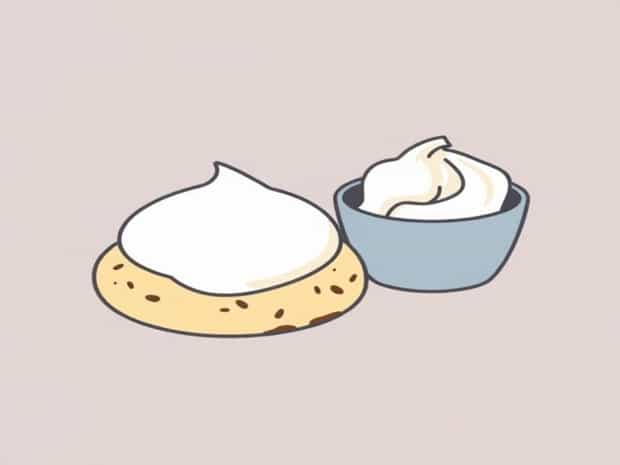
English Scones And Clotted Cream
English scones paired with clotted cream have long been a symbol of traditional British afternoon tea, offering a comforting and indulgent experience that has been cherished for centuries. These delicacies are celebrated for their delicate texture, lightly sweetened flavor, and versatility, making them perfect for both casual gatherings and elegant tea parties. The scone itself, slightly crumbly on the outside yet tender inside, provides an ideal base for generous layers of clotted cream and sweet preserves. The ritual of enjoying scones with clotted cream is deeply ingrained in British culture, evoking images of cozy tea rooms, rolling countryside estates, and a sense of timeless culinary tradition. For food enthusiasts, understanding the history, preparation, and proper serving methods of English scones and clotted cream enhances the appreciation of this classic treat.
History of English Scones
The origins of English scones date back to the early 16th century in Scotland, where they were originally made from oats and baked over an open flame. Over time, scones evolved to include refined flour, baking powder, butter, and milk, creating the soft and fluffy texture we associate with them today. Scones became a staple of afternoon tea in the 19th century, popularized by Anna, the Duchess of Bedford, who sought a light snack between lunch and dinner. This tradition quickly spread throughout England, becoming a hallmark of British hospitality and social gatherings. Understanding the history of scones highlights their cultural significance and enduring appeal.
Types of Scones
Scones come in a variety of flavors and styles, catering to diverse tastes. Some common types include
- Plain SconesThe traditional base scone, slightly sweet, perfect for clotted cream and jam.
- Fruit SconesIncorporating raisins, currants, or sultanas for added sweetness and texture.
- Cheese SconesSavory versions that include sharp cheeses and herbs, ideal for a savory afternoon snack.
- Wholemeal SconesMade with whole wheat flour for a heartier texture and nutty flavor.
- Glazed or Iced SconesOccasionally topped with sugar or icing for extra sweetness.
Clotted Cream The Perfect Companion
Clotted cream is a thick, rich cream with a distinctive buttery flavor, produced by gently heating full-fat cow’s milk and allowing the cream to rise and thicken. Originating from the Southwest of England, particularly Devon and Cornwall, clotted cream is a key component of the traditional cream tea. Its velvety texture complements the slightly crumbly scone, creating a harmonious balance of flavors and mouthfeel. Authentic clotted cream is prized for its quality and indulgence, and it is often spread generously over warm scones before adding a layer of jam.
How to Serve Scones with Clotted Cream
Serving scones with clotted cream is an art in itself, with two main traditions dictating the order of spreading
- Devonshire MethodSpread clotted cream first on the scone, then top with strawberry or raspberry jam.
- Cornish MethodSpread jam first, followed by a dollop of clotted cream.
Regardless of the method, the combination of warm scone, creamy richness, and sweet fruit preserves creates a sensory experience that is both comforting and elegant. Pairing with a pot of freshly brewed tea, such as Earl Grey or Darjeeling, further elevates the enjoyment.
Ingredients and Preparation
Making English scones at home requires simple ingredients, but proper technique ensures the perfect texture. Common ingredients include flour, baking powder, sugar, salt, butter, and milk or cream. The key steps involve
- Mixing Dry IngredientsCombine flour, sugar, baking powder, and salt for even leavening.
- Incorporating ButterRub cold butter into the flour mixture until it resembles breadcrumbs, ensuring a light and flaky texture.
- Adding LiquidGently mix milk or cream to form a soft dough without overworking.
- Shaping and BakingRoll out the dough to the desired thickness, cut into rounds or triangles, and bake until golden brown.
For clotted cream, preparation is more specialized and traditionally requires slow heating of high-fat milk, making it less common to prepare at home. Many enthusiasts prefer purchasing authentic clotted cream from reputable suppliers to accompany their scones.
Pairing and Serving Suggestions
Beyond the classic pairing with jam, scones and clotted cream can be enjoyed in various ways
- Serve with honey or lemon curd for a tangy twist.
- Accompany with fresh berries for added freshness and color.
- For savory scones, top with cream cheese, smoked salmon, or chives.
- Offer a variety of teas or coffee to complement the flavors and enhance the traditional experience.
Occasions and Cultural Significance
English scones and clotted cream are not only a culinary delight but also a cultural symbol. They are central to afternoon tea, which remains a cherished tradition in England and around the world. This ritual is associated with hospitality, socializing, and celebrating special moments. Many tea rooms and hotels offer cream tea experiences, where scones with clotted cream are served alongside fine china and a variety of teas. Enjoying this treat connects diners to a centuries-old tradition and allows them to partake in an authentic British experience.
Tips for Perfect Scones
To achieve scones that are light, fluffy, and perfectly baked, consider these tips
- Use cold butter to create a flaky texture.
- Do not overmix the dough; minimal handling prevents tough scones.
- Ensure the oven is preheated for even baking and a golden crust.
- Serve scones warm to maximize the flavor and texture of the clotted cream and jam.
- Experiment with adding subtle flavors such as vanilla, nutmeg, or citrus zest to enhance the taste.
English scones with clotted cream remain a timeless and beloved treat, combining simple ingredients with traditional techniques to create a refined yet comforting culinary experience. From their rich history to the modern tea table, these scones embody British culture, elegance, and hospitality. The interplay of fluffy scones, luxurious clotted cream, and sweet jam offers a sensory experience that delights the palate and warms the heart. Whether enjoyed at a formal afternoon tea, in a cozy home setting, or at a countryside tea room, the combination of English scones and clotted cream continues to enchant food lovers worldwide. Embracing this tradition allows diners to savor a piece of history while indulging in one of the most iconic British desserts.