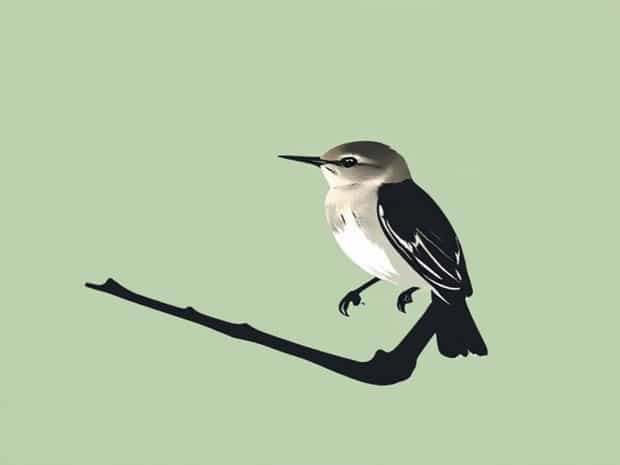
The Eastern Wood Pewee
The Eastern Wood Pewee is a small, yet captivating songbird found throughout the eastern regions of North America. Known for its soft, plaintive calls and distinctive hunting techniques, this bird is an essential component of forest ecosystems. Observing the Eastern Wood Pewee provides insight into migratory behavior, habitat preferences, and insectivorous feeding patterns. Bird enthusiasts and researchers alike are drawn to its subtle charm, as it represents the intricate balance of nature and the importance of conserving woodland habitats for diverse wildlife species.
Physical Characteristics of the Eastern Wood Pewee
The Eastern Wood Pewee is a small passerine bird, typically measuring around six to seven inches in length. Its plumage is a combination of grayish-olive on the upperparts and a lighter, whitish-gray on the underparts. This muted coloration provides excellent camouflage among trees and foliage, making the bird difficult to spot despite its presence in wooded areas. The Eastern Wood Pewee has a slender, pointed bill designed for catching insects mid-flight, along with subtle wing bars that help differentiate it from similar species.
Identifying Features
Key features for identifying the Eastern Wood Pewee include its upright posture, relatively large head compared to its body, and faint wing bars. Its tail is slightly notched, and its eyes are dark and expressive, providing excellent vision for detecting flying insects. Unlike other flycatchers, the Eastern Wood Pewee often perches quietly for long periods, waiting patiently to sally forth and capture prey, making it a fascinating bird for study and observation.
Habitat and Range
The Eastern Wood Pewee inhabits mature forests, woodland edges, and open woodlands across eastern North America. During the breeding season, it favors deciduous and mixed forests with ample canopy cover and tall trees suitable for perching and nesting. These habitats provide safety from predators and access to abundant insect prey. During migration, the Eastern Wood Pewee travels to Central and South America, utilizing various forested habitats along the way, demonstrating remarkable endurance and navigational ability.
Forest Preferences
This bird shows a preference for upland deciduous forests with minimal undergrowth. The canopy provides an ideal vantage point for spotting insects, while open spaces allow for agile flight. Forest edges and clearings are also important, as they offer additional feeding opportunities. Maintaining these forest habitats is essential for the survival and reproductive success of the Eastern Wood Pewee.
Feeding Behavior and Diet
The Eastern Wood Pewee is primarily insectivorous, feeding on flying insects such as flies, beetles, and moths. It employs a hunting technique known as hawking,” where the bird launches from a perch to snatch insects mid-air before returning to the same or a nearby perch. This energy-efficient hunting strategy allows the Eastern Wood Pewee to capture enough food to sustain itself and feed its young during the breeding season.
- Primary diet consists of flying insects and occasionally spiders.
- Hunting is usually performed from a perch within the forest canopy.
- Feeding activity peaks during warm daylight hours when insects are most active.
- Young are fed a diet rich in protein from captured insects.
Hunting Techniques
Eastern Wood Pewees exhibit remarkable precision in their hunting flights. They often sally out from a stationary perch, flying short distances to capture prey with a quick snatch and return. This method reduces energy expenditure and allows continuous surveillance of their territory. The bird’s keen eyesight and agile flight are key factors in successful insect capture, ensuring its survival in various woodland environments.
Reproduction and Nesting
During the breeding season, which typically occurs from late spring to early summer, the Eastern Wood Pewee constructs small cup-shaped nests on horizontal tree branches. Females are primarily responsible for building the nest using twigs, grasses, and other plant materials. Nests are often well-camouflaged within foliage, providing protection against predators such as snakes and larger birds.
Eggs and Incubation
A female Eastern Wood Pewee usually lays two to three eggs per clutch. The eggs are pale and speckled, blending with the surrounding nest materials. Incubation, lasting approximately 12 to 14 days, is primarily performed by the female. During this period, she ensures the eggs remain warm and protected, while the male may assist by providing food and defending the territory from intruders.
Raising Chicks
Once hatched, chicks require frequent feeding, which both parents often contribute to. The Eastern Wood Pewee feeds the young a diet rich in insects to support rapid growth and development. Chicks fledge approximately two to three weeks after hatching, but parents continue to provide food and guidance until the young are capable of independent foraging. This parental investment is critical for survival in the wild, ensuring the continuation of the species.
Vocalizations and Communication
The Eastern Wood Pewee is known for its distinctive call, often described as a plaintive, descending “pee-a-wee.” This vocalization serves multiple purposes, including establishing territory, attracting mates, and communicating with other birds. While the song is soft compared to other woodland birds, it is easily recognizable to those familiar with their calls. Vocal communication plays a crucial role in the Eastern Wood Pewee’s reproductive success and territorial defense.
Territorial Behavior
Male Eastern Wood Pewees establish and defend territories during the breeding season. Their song serves as a warning to intruding males and signals the presence of a receptive female. Females, while less vocal, are attentive to territorial cues and participate in defending the nesting site. This cooperative behavior ensures that nests remain safe and that offspring have the best chance for survival.
Conservation and Threats
While the Eastern Wood Pewee is currently classified as a species of least concern, habitat loss and deforestation pose significant threats. Logging, urbanization, and agricultural expansion reduce available breeding and foraging habitats. Climate change may also alter migration patterns and food availability. Conservation efforts focus on protecting woodland habitats, preserving forested corridors for migration, and monitoring populations to detect declines early.
- Habitat preservation is key to maintaining population stability.
- Monitoring insect populations helps ensure adequate food supply.
- Public education promotes appreciation and protection of woodland birds.
- Research initiatives track migratory patterns and breeding success.
The Eastern Wood Pewee is a remarkable bird that plays an important role in the ecosystem of eastern North American forests. Its insectivorous diet, intricate nesting behaviors, and distinctive vocalizations make it a fascinating subject for both amateur birdwatchers and professional ornithologists. Protecting its habitat and understanding its life cycle ensures that future generations can continue to appreciate the subtle beauty and ecological significance of the Eastern Wood Pewee. Observing this small but vital species provides insight into the complexity of forest ecosystems and highlights the importance of conserving North America’s woodland habitats.