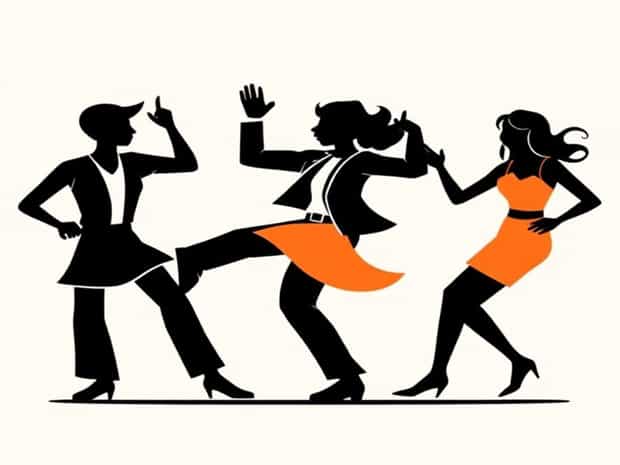
Do The Hustle Dance
The Hustle dance is an iconic dance style that gained widespread popularity during the disco era of the 1970s. Known for its smooth, rhythmic movements and partner-based sequences, the Hustle became a staple on dance floors around the world. Whether performed in clubs, social gatherings, or dance competitions, the Hustle remains a fun and energetic dance that combines elements of swing, jazz, and disco. Learning how to do the Hustle dance not only enhances coordination and rhythm but also provides a social and enjoyable experience for dancers of all skill levels.
History of the Hustle Dance
The Hustle originated in the early 1970s in New York City, where disco music was rapidly gaining momentum. It evolved from Latin and swing dance influences, incorporating both intricate footwork and fluid body movements. The dance became a national phenomenon after being featured in movies and television shows during the disco era. Its popularity was further fueled by famous songs such as Do the Hustle” by Van McCoy, which inspired countless dancers to learn and perform the style.
Key Features of the Hustle
The Hustle dance is characterized by several key elements
- Partner-Based MovementsTypically performed with a partner, the dance emphasizes coordination and timing between dancers.
- Rhythmic FootworkThe Hustle includes a series of quick steps, slides, and turns that match the beat of disco music.
- Smooth TransitionsUnlike some fast-paced dances, the Hustle emphasizes smooth, flowing movements that create a polished appearance on the dance floor.
- AdaptabilityThe dance can be performed in both casual social settings and competitive environments, making it versatile for dancers of all levels.
Basic Steps of the Hustle
Learning the basic steps is essential for anyone looking to do the Hustle dance. The foundational movements provide a framework for more advanced turns, spins, and patterns.
Leader Steps
- Step forward with your left foot
- Step back with your right foot
- Step to the side with your left foot
- Close your right foot to your left foot
- Repeat in time with the music
Follower Steps
- Mirror the leader’s steps by stepping back with your right foot
- Step forward with your left foot
- Step to the side with your right foot
- Close your left foot to your right foot
- Maintain connection with your partner throughout the sequence
Advanced Hustle Techniques
Once comfortable with the basic steps, dancers can incorporate more advanced techniques to add flair and complexity to their performance. Some of these techniques include
- Turns and SpinsAdding spins for both the leader and follower enhances the visual appeal and requires coordination.
- Underarm TurnsA common move where the follower passes under the leader’s raised arm, adding fluidity to the routine.
- Pattern VariationsChanging footwork patterns, such as syncopated steps or cross-body leads, creates dynamic sequences.
- StylingIncorporating arm movements, hip motion, and body isolations gives the dance personality and individual expression.
Tips for Learning the Hustle
Learning to do the Hustle dance can be fun and rewarding. Here are some tips to improve your skills
- Practice with music at a comfortable tempo before gradually increasing speed
- Focus on maintaining smooth movements and posture
- Work with a partner to develop timing and coordination
- Attend social dance events or classes to gain experience in a supportive environment
- Watch instructional videos to understand advanced patterns and techniques
Benefits of Dancing the Hustle
Dancing the Hustle offers a variety of physical, social, and mental benefits. It provides a full-body workout, improving coordination, balance, and cardiovascular health. Socially, it encourages interaction and teamwork between partners, enhancing confidence and communication skills. Additionally, dancing is known to reduce stress and elevate mood, making the Hustle not only a fun activity but also a way to promote overall well-being.
Hustle in Modern Times
Although its peak popularity was in the 1970s, the Hustle continues to thrive in modern dance communities. Many dance studios offer Hustle classes, and competitions often include this energetic dance style. The dance has also influenced contemporary social dance styles, blending elements of salsa, swing, and ballroom. Its enduring appeal demonstrates the versatility and timeless nature of the Hustle as a partner dance.
Doing the Hustle dance is a rewarding and enjoyable experience for dancers of all levels. From its origins in the disco era to modern-day social dance floors, the Hustle remains a classic partner dance that emphasizes rhythm, coordination, and smooth movements. By learning the basic steps, practicing advanced techniques, and embracing the social aspects of the dance, individuals can master the Hustle while enjoying its physical, mental, and social benefits. Whether in casual settings or competitive environments, the Hustle continues to be a vibrant and dynamic form of dance that captivates dancers and audiences alike.