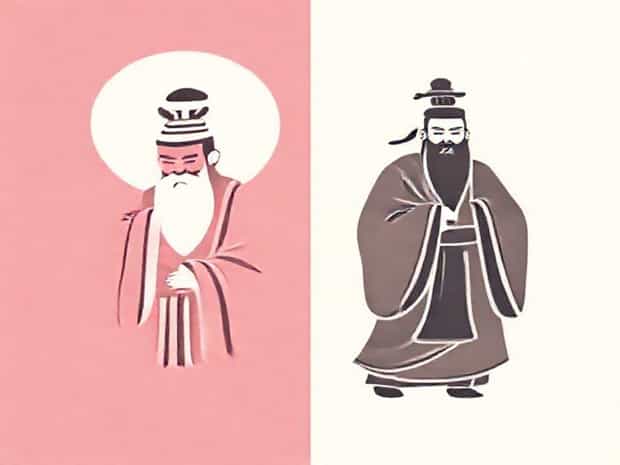
Difference Between Mencius And Xunzi
Chinese philosophy has a rich history marked by debates about human nature, morality, and governance. Two of the most influential Confucian thinkers, Mencius and Xunzi, offered contrasting views that have shaped ethical and political thought for centuries. Both philosophers built upon Confucian principles, yet they diverged sharply on the inherent qualities of human nature, the role of education and ritual, and the approach to moral cultivation. Understanding the differences between Mencius and Xunzi is essential for anyone interested in Eastern philosophy, ethics, or the historical development of Chinese political theory.
Overview of Mencius
Mencius, also known as Mengzi, lived during the Warring States period and is often considered the most prominent interpreter of Confucian thought after Confucius himself. Mencius believed that human beings are inherently good, possessing an innate moral sense that can be nurtured through education, self-reflection, and virtuous practice. His philosophy emphasizes compassion, righteousness, and the cultivation of innate virtues as the foundation for ethical behavior and effective governance. Mencius argued that rulers who fostered moral leadership could inspire their subjects and maintain social harmony without resorting to coercion or harsh punishments.
Key Beliefs of Mencius
- Human nature is inherently good, with innate tendencies toward compassion, righteousness, propriety, and wisdom.
- Education and self-cultivation help individuals develop and express their natural virtues.
- Governance should be based on moral authority rather than fear or force.
- Humans are naturally inclined to empathy and care for others, which can be expanded through societal structures and ethical teaching.
- Rulers should act as moral exemplars, creating conditions that allow the goodness of people to flourish.
Influence and Legacy of Mencius
Mencius’s teachings have had a lasting impact on Confucianism and Chinese political thought. His optimistic view of human nature influenced later scholars and leaders, emphasizing the importance of moral education and virtuous governance. Mencius also contributed to debates on the Mandate of Heaven, arguing that rulers who fail to govern ethically lose their legitimacy. His belief in the innate goodness of people remains a cornerstone of idealist Confucian philosophy.
Overview of Xunzi
Xunzi, another major Confucian thinker of the Warring States period, presented a starkly different perspective on human nature. Unlike Mencius, Xunzi argued that human beings are inherently self-interested, driven by desires and impulses that, if left unchecked, can lead to disorder and moral failure. Xunzi emphasized the role of education, ritual, and law in transforming these natural tendencies into ethical behavior. According to Xunzi, moral virtues are not innate but are cultivated through deliberate effort, guidance, and adherence to social norms. He believed that a structured society, supported by laws and ethical codes, is essential for maintaining order and harmony.
Key Beliefs of Xunzi
- Human nature is inherently selfish, motivated by desires for wealth, pleasure, and status.
- Virtue and ethical behavior are the result of education, ritual, and disciplined practice.
- Governance requires clear laws, strict regulations, and moral guidance to restrain human impulses.
- Ritual and tradition play a central role in shaping behavior and promoting social cohesion.
- Humans must work actively to cultivate morality; it does not arise naturally.
Influence and Legacy of Xunzi
Xunzi’s perspective laid the groundwork for practical approaches to governance and social order in Chinese thought. His insistence on education, ritual, and law as tools to shape moral behavior influenced the development of Legalist ideas and administrative practices. By acknowledging the inherent challenges in human nature, Xunzi offered a framework for constructing stable societies through structured discipline and ethical instruction, leaving a lasting impact on both philosophy and policy.
Key Differences Between Mencius and Xunzi
The contrast between Mencius and Xunzi centers on their views of human nature, the source of moral development, and the ideal approach to governance. These differences highlight the diversity within Confucian thought and the ongoing debate over ethics and social order in Chinese philosophy.
View of Human Nature
- Mencius Believed humans are inherently good, naturally inclined toward virtue and compassion.
- Xunzi Argued humans are inherently selfish and driven by desires that must be restrained through education and ritual.
Path to Moral Development
- Mencius Emphasized nurturing innate virtues through reflection, self-cultivation, and moral guidance.
- Xunzi Emphasized deliberate training, ritual practice, and adherence to social norms to cultivate morality.
Approach to Governance
- Mencius Advocated moral leadership and ruling by example, inspiring loyalty and ethical behavior in subjects.
- Xunzi Advocated structured governance with clear laws, rituals, and education to control human tendencies.
Role of Education and Ritual
- Mencius Education reinforces innate goodness; ritual supports moral cultivation but is not the source of virtue.
- Xunzi Education and ritual are essential tools to transform inherently selfish tendencies into ethical behavior.
Philosophical Implications
- Mencius Optimistic, emphasizing potential, moral progress, and the natural capacity for goodness.
- Xunzi Pessimistic, focusing on human limitations and the necessity of external structures to achieve morality.
Impact on Confucian Tradition
Both Mencius and Xunzi significantly influenced Confucianism and Chinese intellectual history. Mencius’s idealist approach encouraged moral self-improvement, ethical governance, and the belief in human potential. Xunzi’s realist approach emphasized social order, the role of institutions, and the importance of disciplined effort to maintain ethical standards. Together, their teachings offer complementary perspectives, balancing hope in human potential with the recognition of human flaws. Later Confucian thinkers often synthesized elements of both philosophies to address practical and moral challenges in society.
Modern Relevance
- Mencius Inspires educational philosophies that emphasize character development, empathy, and leadership by example.
- Xunzi Influences contemporary discussions on law, governance, and the role of social institutions in shaping behavior.
- The debate between innate goodness and learned virtue continues to inform psychology, ethics, and political theory.
- Understanding their differences helps individuals navigate moral questions and societal responsibilities.
The philosophical divergence between Mencius and Xunzi highlights the richness of Confucian thought and the complexity of questions about human nature and morality. Mencius’s belief in inherent human goodness promotes optimism, compassion, and the cultivation of natural virtues. Xunzi’s view of human selfishness underscores the necessity of education, ritual, and structured governance to achieve ethical behavior. Both perspectives provide valuable insights into human behavior, ethical development, and social organization. By studying Mencius and Xunzi, one gains a deeper appreciation of the philosophical debates that have shaped not only Confucianism but also broader discussions on morality, governance, and human potential throughout history.