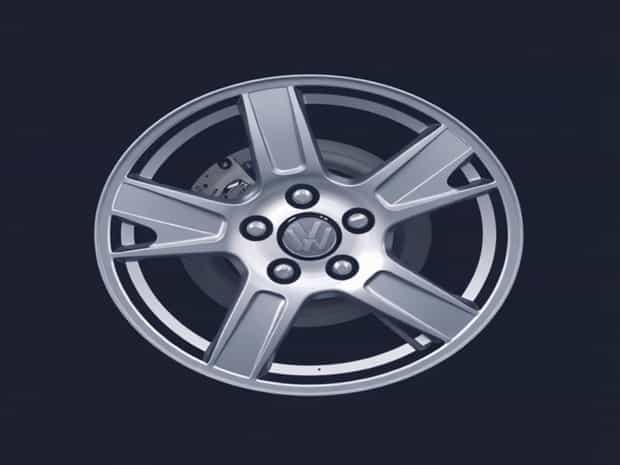
Mk4 Golf Wheel Fitment
The Mk4 Golf, produced by Volkswagen between 1997 and 2004, remains one of the most popular compact cars for automotive enthusiasts, especially when it comes to wheel upgrades and modifications. Understanding wheel fitment is crucial for owners who want to enhance both performance and aesthetics without compromising safety. Proper wheel fitment ensures that the wheels sit correctly within the wheel arches, maintain appropriate clearance with suspension components, and prevent rubbing on the fenders. With the Mk4 Golf, there are multiple factors to consider including bolt pattern, offset, center bore, and wheel diameter. Each of these specifications plays a key role in determining whether a wheel will fit properly and function as intended.
Bolt Pattern and Lug Specifications
The bolt pattern is one of the first considerations for Mk4 Golf wheel fitment. The stock Mk4 Golf typically uses a 5×100 bolt pattern. This means that there are five lug nuts spaced evenly around a circle with a diameter of 100 millimeters. It is critical to match the wheel bolt pattern to the vehicle’s hub to ensure proper alignment and secure installation. Attempting to fit wheels with an incorrect bolt pattern can cause vibration, uneven wear, and even damage to the wheel hub or suspension components.
Lug Nut Types
Lug nut type is another essential detail. The Mk4 Golf often requires conical seat lug nuts, which help center the wheel on the hub. Some aftermarket wheels may require different lug nut designs such as flat seat or extended seat. Ensuring the correct lug nut type is used is vital to maintain proper clamping force and prevent loosening over time.
Wheel Diameter and Width
The diameter and width of the wheel affect both the vehicle’s handling and the overall aesthetic. Stock Mk4 Golf wheels range from 14 to 17 inches in diameter, though many enthusiasts upgrade to 18-inch or even 19-inch wheels. When selecting a larger diameter wheel, it is important to maintain an appropriate tire profile to avoid speedometer inaccuracies and to preserve ride comfort.
Wheel width also matters for fitment and performance. The Mk4 Golf commonly supports wheel widths from 6 inches to 8 inches. Wider wheels can provide better grip and a more aggressive stance, but they may also require rolling or modifying the fenders to prevent rubbing. The wheel width should be paired with a tire size that matches the vehicle’s recommended specifications to ensure proper clearance and handling.
Wheel Offset (ET)
Offset, measured in millimeters, refers to the distance between the wheel’s mounting surface and its centerline. The standard Mk4 Golf offset ranges from ET35 to ET45. A lower offset pushes the wheel outward toward the fender, creating a wider stance, while a higher offset moves the wheel inward. Selecting the correct offset is crucial to avoid contact with suspension components, brake calipers, or inner wheel arches. Improper offset can lead to uneven tire wear, steering issues, and potential damage to the car’s suspension.
Center Bore Considerations
The center bore is the diameter of the hole in the center of the wheel that fits over the hub. For the Mk4 Golf, the factory center bore is 57.1 mm. Aftermarket wheels may have larger center bores, which would require hub-centric rings to ensure a snug fit. Using hub-centric rings eliminates vibrations and ensures that the wheel is perfectly centered on the hub, which is particularly important for high-speed driving and long-term reliability.
Tire Size Compatibility
After selecting wheels, choosing compatible tires is the next step. The recommended tire sizes depend on wheel diameter and width, as well as the desired performance characteristics. For example, a common upgrade might be 225/40R18 tires on 8-inch wide 18-inch wheels. Tires that are too wide or too tall can rub against fenders or suspension components, while tires that are too narrow may not provide adequate grip. Maintaining proper tire clearance is essential for both safety and performance.
Suspension and Wheel Fitment
Suspension setup also affects wheel fitment. Lowered Mk4 Golfs, for instance, may require wheels with a slightly higher offset or stretched tires to avoid rubbing during compression. Adjustments to camber, ride height, and spring rates can change the way wheels sit within the arches, making fitment even more critical. Enthusiasts should always test wheel clearance in various driving conditions to prevent any interference with suspension components.
Common Fitment Upgrades
Mk4 Golf owners often pursue several popular wheel upgrades for performance and visual appeal. Some of these upgrades include
- 18-inch or 19-inch wheels for a sportier look.
- Wider wheel widths for improved traction.
- Staggered setups, where the rear wheels are slightly wider than the front, for enhanced handling.
- Aftermarket alloys with lightweight construction to reduce unsprung weight and improve acceleration.
- Low-offset wheels to achieve a flush stance without rubbing.
Tips for Ensuring Proper Fitment
Ensuring proper wheel fitment requires careful measurement and research. Enthusiasts should
- Measure the stock wheel and hub dimensions accurately before purchasing aftermarket wheels.
- Consult with reputable wheel manufacturers about offset, width, and diameter compatibility.
- Use hub-centric rings if the aftermarket wheels have a larger center bore than the hub.
- Check tire clearance with the chosen suspension setup, especially if the car is lowered.
- Test-fit wheels before final installation whenever possible to avoid costly mistakes.
Proper Mk4 Golf wheel fitment involves understanding multiple specifications, including bolt pattern, lug nut type, wheel diameter and width, offset, center bore, and tire compatibility. Each of these factors contributes to a safe and visually appealing wheel setup. By carefully considering these elements and performing thorough measurements, owners can achieve improved handling, aesthetics, and long-term durability. The Mk4 Golf offers a wide range of aftermarket options, but attention to detail ensures that wheel upgrades enhance the car without causing mechanical or safety issues. With the right fitment, a Mk4 Golf can not only look more aggressive but also drive more confidently on the road.