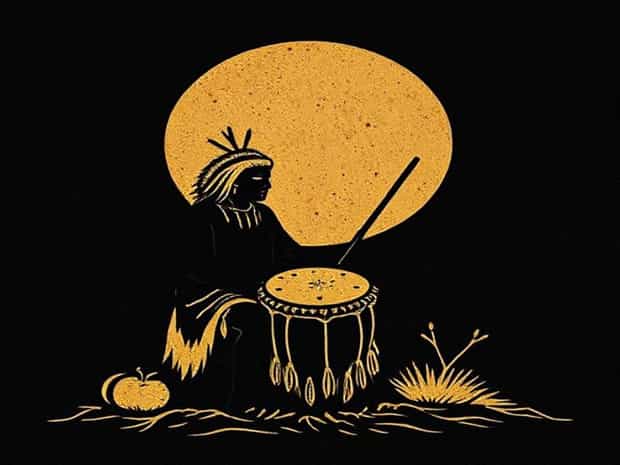
Michael Harner Shamanic Drumming
Michael Harner’s contributions to the study and practice of shamanism are widely recognized, particularly his innovative approach to shamanic drumming. Shamanic drumming, as taught by Harner, is a powerful tool used to induce altered states of consciousness, facilitate healing, and connect with spiritual realms. Unlike traditional musical drumming, shamanic drumming follows specific rhythms and patterns designed to guide the practitioner’s mind into a trance state. Harner emphasized that this technique is not merely cultural or ceremonial but a universal method that can be learned and applied by individuals seeking spiritual growth, insight, or therapeutic healing.
Who Was Michael Harner?
Michael Harner (1929-2018) was an anthropologist, author, and founder of the Foundation for Shamanic Studies. His research into indigenous shamanic practices took him to the Amazon, where he observed and participated in the rituals of native shamans. Harner’s work sought to identify the core elements of shamanism across cultures, emphasizing practices that were universally accessible rather than strictly tied to specific cultural contexts. Among these core elements, shamanic drumming stood out as a consistent method for accessing altered states of consciousness, providing healing, and facilitating spiritual journeys.
Introduction to Shamanic Drumming
Shamanic drumming involves the use of a steady, repetitive rhythm to induce a trance-like state known as the shamanic state of consciousness (SSC). According to Harner, the SSC allows practitioners to perceive realities beyond ordinary awareness, communicate with spirit guides, retrieve lost energy, and gain insights into personal or communal challenges. The rhythm is typically maintained at a frequency of around 4-7 beats per second, which is believed to synchronize brainwave activity and facilitate the transition into this altered state. Harner taught that anyone can learn this practice, making shamanic drumming a versatile tool for modern spiritual seekers.
Techniques of Shamanic Drumming
Michael Harner outlined several key techniques for effective shamanic drumming. These include choosing the right drum or rattle, maintaining a consistent rhythm, and setting clear intentions before beginning a session. Practitioners are encouraged to focus on a specific purpose, such as healing, guidance, or connecting with spirit helpers. By maintaining rhythmic consistency, the brain gradually shifts into a trance state, allowing the practitioner to explore spiritual realms safely and effectively. Harner emphasized that intention and mindfulness are just as important as the rhythm itself.
Uses and Benefits
Shamanic drumming, as taught by Michael Harner, serves multiple purposes
- HealingDrumming can facilitate the release of blocked energy, promote physical or emotional healing, and restore balance to the body and mind.
- Spiritual GuidancePractitioners often receive insights, guidance, or solutions to problems while in the shamanic state.
- Energy RetrievalShamanic journeys may involve retrieving lost or fragmented aspects of the self, often referred to as soul retrieval.
- Stress ReductionThe rhythmic, meditative nature of drumming helps reduce stress, anxiety, and emotional tension.
- Connection to Nature and SpiritsDrumming enables practitioners to interact with spirit guides, animal allies, or the energies of the natural world.
The Science Behind Shamanic Drumming
Research into brainwave patterns supports the idea that rhythmic drumming can induce altered states of consciousness. The repetitive beat influences brain activity, creating theta or alpha brainwaves associated with relaxation, creativity, and heightened intuition. While the spiritual aspects of shamanic drumming are not fully quantifiable, neuroscience suggests that the practice may enhance cognitive flexibility, emotional regulation, and overall well-being. Harner’s approach bridged the gap between indigenous wisdom and modern scientific understanding, making shamanic drumming accessible to contemporary practitioners without the need for traditional initiation rites.
Shamanic Journeys
A central aspect of Michael Harner’s teachings is the shamanic journey, often guided by drumming. In these journeys, practitioners enter the shamanic state of consciousness to explore spiritual landscapes, interact with spirit guides, and receive messages or healing energy. Harner provided structured guidelines for these journeys, including preparation, intention-setting, and safe return to ordinary consciousness. The journeys may involve visualization, encounters with power animals, or exploration of spiritual dimensions, all facilitated by the steady rhythm of the drum. This structured approach allows individuals to access profound experiences in a controlled and intentional manner.
Training and Workshops
Michael Harner established the Foundation for Shamanic Studies to teach shamanic practices, including drumming, to a global audience. Workshops and training programs focused on experiential learning, enabling participants to practice drumming, guided journeys, and energy work under the supervision of trained instructors. These workshops emphasized ethical practice, safety, and respect for the cultural origins of shamanism, while also adapting methods for modern spiritual contexts. Participants learned not only the technical aspects of drumming but also how to integrate these experiences into everyday life for personal growth and healing.
Ethical Considerations
Harner stressed the importance of ethical practice in shamanic work. This includes respecting the cultural roots of the practice, approaching journeys with humility and clear intention, and using the insights gained responsibly. Shamanic drumming, while accessible to anyone, carries significant spiritual and psychological implications. Harner advised practitioners to maintain a strong ethical framework, seek guidance when necessary, and cultivate respect for the power and potential of shamanic work.
Legacy of Michael Harner
Michael Harner’s legacy in the field of shamanism is profound. He not only introduced shamanic drumming to a global audience but also provided a framework for integrating ancient practices with contemporary spiritual and psychological understanding. His work has influenced countless practitioners, therapists, and spiritual seekers, bridging the gap between traditional indigenous practices and modern experiential learning. The emphasis on drumming as a core practice continues to inspire workshops, personal practice, and research into the therapeutic potential of shamanic methods.
Integration into Modern Life
Shamanic drumming, as taught by Harner, can be incorporated into modern life in various ways. Individuals may use drumming for personal meditation, stress reduction, creative exploration, or spiritual guidance. Some integrate drumming into therapy, energy healing, or community rituals, emphasizing the universality and accessibility of the practice. The structured yet flexible approach allows practitioners to explore spiritual realms safely while benefiting from enhanced focus, emotional clarity, and inner guidance.
Michael Harner’s approach to shamanic drumming revolutionized the understanding and practice of shamanism in the modern world. By highlighting the universality of drumming as a tool for accessing altered states of consciousness, Harner made shamanic practices accessible to anyone seeking spiritual insight, healing, or personal growth. Shamanic drumming serves as a bridge between the physical and spiritual realms, providing guidance, restoration, and connection to higher wisdom. Through workshops, structured journeys, and ethical teaching, Harner ensured that this practice could be safely and effectively integrated into contemporary life. His contributions continue to inspire spiritual seekers globally, emphasizing that rhythm, intention, and ethical practice can open profound pathways to healing, insight, and transformation.