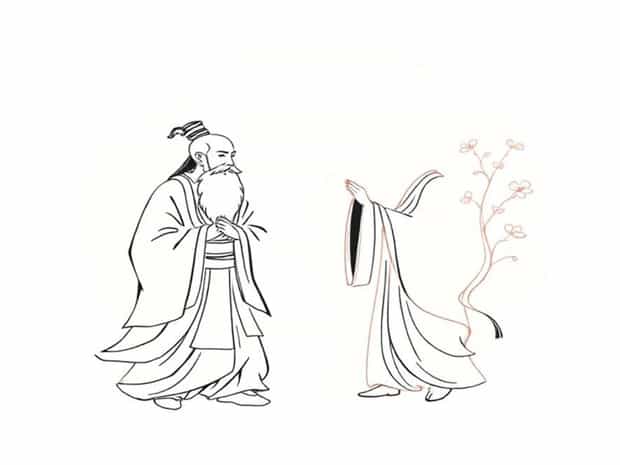
Mencius And Xunzi On Human Nature
The debate over human nature has long been a central topic in Chinese philosophy, particularly in the teachings of Mencius and Xunzi, two influential Confucian thinkers. While both philosophers share a commitment to Confucian values such as virtue, morality, and social harmony, they offer strikingly different views on the inherent qualities of human beings. Mencius believes in the innate goodness of humans, emphasizing natural moral tendencies that can be cultivated through proper education and environment. In contrast, Xunzi argues that human nature is inherently self-interested and morally neutral or even flawed, requiring strict education and ritual to guide individuals toward ethical behavior. Exploring their contrasting perspectives provides valuable insight into the foundations of Confucian thought and the enduring questions about human morality and development.
Mencius on Human Nature
Mencius, also known as Mengzi, lived during the Warring States period and is often regarded as the most prominent interpreter of Confucianism after Confucius. He is famous for his optimistic view of human nature, asserting that humans are inherently good and possess natural tendencies toward virtue. Mencius argues that just as water naturally flows downward and sprouts naturally grow upward, humans have innate capacities for compassion, righteousness, propriety, and wisdom.
The Four Sprouts
Mencius introduces the concept of the four sprouts to explain the innate moral tendencies of humans. These sprouts represent the beginnings of four cardinal virtues
- CompassionThe natural inclination to feel empathy for the suffering of others, which can develop into benevolence or humaneness (ren).
- RighteousnessA sense of justice and fairness, guiding individuals to act morally in social interactions.
- ProprietyAwareness of social norms and respect for proper conduct, which forms the foundation for ritual (li).
- WisdomThe ability to discern right from wrong and understand moral principles.
Cultivation and Education
For Mencius, while humans are naturally inclined toward goodness, moral development is not automatic. Proper education, reflection, and cultivation of these innate tendencies are necessary to ensure that the sprouts of virtue grow into fully developed moral qualities. A nurturing environment, ethical guidance, and supportive social institutions are essential to help individuals realize their potential for goodness. Mencius emphasizes that even though humans have natural moral inclinations, they can be corrupted if exposed to vice, neglect, or harmful surroundings.
Optimism and Moral Responsibility
Mencius’ view of human nature reflects a profound optimism, suggesting that individuals are fundamentally capable of ethical behavior. This perspective encourages moral responsibility, as it implies that everyone has the potential to cultivate virtue and contribute positively to society. By fostering innate tendencies and providing proper guidance, communities can promote harmony, justice, and collective well-being.
Xunzi on Human Nature
Xunzi, another influential Confucian thinker, offers a starkly different perspective on human nature. Writing during the late Warring States period, Xunzi emphasizes the darker aspects of human behavior, arguing that humans are naturally self-interested, driven by desires, and prone to conflict. According to Xunzi, moral goodness is not innate but must be achieved through conscious effort, education, and adherence to rituals.
Human Nature as Self-Interested
Xunzi contends that left unchecked, humans act according to their desires, seeking personal pleasure and avoiding discomfort. This natural inclination leads to selfishness, competition, and potential harm to others. Unlike Mencius, who sees moral tendencies as inherent, Xunzi believes that without external guidance, individuals are unlikely to behave ethically or cultivate virtue on their own.
The Role of Education and Ritual
In Xunzi’s philosophy, moral education and social institutions are crucial for transforming human behavior. Through rigorous learning, discipline, and adherence to ritual (li), individuals can overcome their selfish impulses and develop ethical character. Rituals provide structure, cultivate self-control, and reinforce social norms, allowing humans to live harmoniously within a community. Education, therefore, is not merely informative but transformative, shaping innate tendencies into virtuous behavior.
Pragmatic and Realistic Outlook
Xunzi’s view is pragmatic, grounded in observation of human behavior and historical patterns. He acknowledges the potential for moral achievement but emphasizes that it requires deliberate effort, guidance, and societal support. This perspective underscores the importance of law, governance, and education in maintaining ethical order and social stability.
Comparing Mencius and Xunzi
The contrast between Mencius and Xunzi highlights fundamental differences in their understanding of human nature, morality, and the role of education and society.
Innate Goodness vs. Natural Self-Interest
Mencius views humans as naturally inclined toward goodness, whereas Xunzi sees humans as naturally self-interested and morally neutral or flawed. This divergence affects their approaches to moral cultivation and social organization, with Mencius emphasizing nurturing inherent tendencies and Xunzi emphasizing corrective guidance.
The Role of Environment
Both philosophers recognize the impact of environment and society, but they interpret it differently. Mencius believes a good environment can help individuals realize their innate virtues, while Xunzi stresses that education and ritual are necessary to counteract the corrupting influences of natural desires and social chaos.
Education and Moral Development
- MenciusEducation enhances inherent virtues and helps individuals actualize their potential for goodness.
- XunziEducation and ritual are essential tools to transform self-interested impulses into moral behavior.
Philosophical Implications
The debate between Mencius and Xunzi has profound implications for ethics, education, and political philosophy. Their differing views on human nature shape ideas about moral responsibility, social governance, and the development of virtuous citizens.
Optimism and Human Potential
Mencius’ optimism inspires confidence in human potential and emphasizes the importance of nurturing and supporting moral growth. His philosophy encourages ethical leadership, compassionate education, and the cultivation of societal harmony.
Pragmatism and Social Order
Xunzi’s perspective stresses realistic strategies for achieving ethical behavior, highlighting the role of structured education, law, and ritual in shaping moral conduct. His approach underscores the necessity of social institutions to maintain stability and cultivate virtue in a population prone to self-interest.
Relevance Today
The debate over human nature remains relevant in contemporary discussions on education, psychology, politics, and ethics. Understanding Mencius and Xunzi provides insights into the balance between nurturing human potential and implementing systems to guide behavior. Their contrasting views continue to inform debates on whether humans are naturally good or require external structures to achieve moral development.
Applications in Education
Modern educational theories can draw from both perspectives. Mencius’ approach supports fostering intrinsic motivation, empathy, and moral reasoning, while Xunzi’s approach highlights the importance of discipline, guidance, and structured learning environments to shape behavior effectively.
Applications in Governance
Policymakers can also apply these philosophies. Mencius’ optimism encourages policies that invest in human potential and community development, whereas Xunzi’s realism supports regulations, laws, and institutional mechanisms to ensure ethical conduct and social stability.
Mencius and Xunzi offer two foundational perspectives on human nature that continue to resonate in philosophy, education, and social policy. Mencius emphasizes innate goodness and the nurturing of moral tendencies, while Xunzi highlights self-interest and the necessity of education and ritual to cultivate virtue. Together, their ideas provide a comprehensive framework for understanding human morality, the development of ethical behavior, and the interplay between individual tendencies and societal guidance. By studying both perspectives, we gain a richer appreciation of human nature and the ongoing challenges of ethical cultivation and social harmony.
Keywords Mencius and Xunzi on human nature, Confucian philosophy, innate goodness, self-interest, moral cultivation, education and ritual, ethics in Chinese philosophy, human morality, philosophical debate on human nature, Warring States Confucian thinkers.