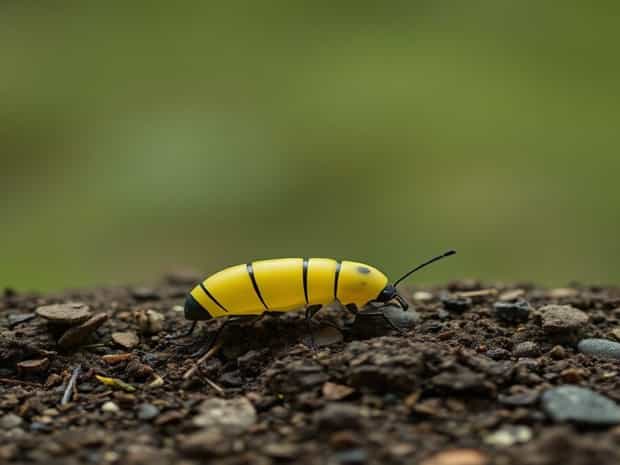
Can A Chrysalis Survive On The Ground
The life cycle of butterflies and moths is one of nature’s most fascinating transformations, and the chrysalis stage is perhaps the most delicate and crucial phase. During this stage, the caterpillar undergoes metamorphosis to become an adult butterfly or moth. Many people wonder if a chrysalis can survive on the ground, and understanding this requires a deeper look into the biology of chrysalides, their environmental needs, and the threats they face in nature. The position and condition of a chrysalis are key factors that determine its chances of survival.
What Is a Chrysalis?
A chrysalis, also known as a pupa, is the intermediate stage between a caterpillar and an adult butterfly or moth. During this stage, the insect is inactive externally but undergoes significant internal changes. Cells are reorganized, wings develop, and the adult body structure forms within the protective casing of the chrysalis. This stage can last from a few days to several weeks, depending on the species and environmental conditions. The safety and stability of the chrysalis are vital for successful metamorphosis.
The Role of Location in Chrysalis Survival
Chrysalides are typically found suspended from branches, leaves, or other structures above the ground. This elevated position offers several advantages protection from predators, better temperature regulation, and avoidance of moisture accumulation. A chrysalis on the ground lacks these benefits and faces significantly higher risks, making survival less likely. The natural instincts of caterpillars guide them to seek safe and secure locations before entering the pupal stage.
Environmental Factors Affecting Survival
The environment plays a crucial role in determining whether a chrysalis can survive on the ground. Factors such as moisture, temperature, and predation can dramatically affect outcomes. Moist ground can lead to fungal growth or drowning, while extreme temperatures can cause developmental issues or death. On the ground, chrysalides are more exposed to flooding, heavy rain, and fluctuating temperatures, all of which can compromise the metamorphosis process.
Predation Risks
Chrysalides on the ground are vulnerable to predators, including ants, birds, small mammals, and insects. Many predators have adapted to detect and feed on pupae. The natural camouflage and elevated position of a suspended chrysalis often protect it from these threats. When a chrysalis falls to the ground, it loses this natural protection and faces a higher likelihood of being eaten before the butterfly or moth emerges.
Fungal and Bacterial Threats
Ground chrysalides are also more prone to infections caused by fungi and bacteria. Damp soil creates an environment where pathogens can thrive, which may penetrate the chrysalis casing and infect the developing butterfly or moth. Even if the insect survives predation, the risk of disease is higher, which can prevent a healthy emergence.
Exceptions and Adaptations
Despite the risks, some species have adapted to develop on or near the ground. Certain moth species and some butterflies in tropical regions naturally pupate close to the soil or leaf litter. These species have evolved thicker or camouflaged chrysalis coverings and chemical defenses to deter predators. In such cases, survival on the ground is possible, but these are exceptions rather than the rule.
Camouflage and Mimicry
Some ground-dwelling chrysalides mimic seeds, twigs, or dead leaves, making them less conspicuous to predators. This form of camouflage enhances their chances of surviving until metamorphosis is complete. However, even with these adaptations, the overall survival rate of ground chrysalides is generally lower compared to those suspended above the ground.
Human Intervention
People who find fallen chrysalides sometimes wonder if they can help them survive. Carefully relocating a fallen chrysalis to a safe, elevated position can sometimes increase survival chances. It is important to avoid touching the chrysalis directly, as oils from human skin can damage the delicate casing. Using gloves or gently placing it on a natural structure like a branch can help the developing insect complete metamorphosis safely.
Signs That a Chrysalis Is Healthy
Understanding whether a chrysalis on the ground is likely to survive involves looking for signs of health. A healthy chrysalis typically has a firm outer shell, a consistent color for its species, and no visible signs of mold or damage. Any softness, discoloration, or foul odor may indicate infection or decay, reducing the chances of survival. Monitoring these signs can help determine if intervention is worthwhile.
Timing of Emergence
Chrysalides go through a developmental timeline that varies by species. Even if a chrysalis is on the ground, it may still successfully emerge if it has recently entered pupation and remains undisturbed. However, as time passes, exposure to environmental stressors increases, and the likelihood of successful emergence decreases.
In general, chrysalides are not well-suited to surviving on the ground due to higher risks of predation, environmental hazards, and disease. The elevated positions chosen by caterpillars before pupation provide natural protection and enhance survival chances. While some species have adapted to pupate near or on the ground, these are exceptions, and most butterflies and moths thrive best when their chrysalis is suspended above the ground. Human intervention, careful relocation, and attention to environmental conditions can sometimes save a fallen chrysalis, but understanding the natural preferences and threats they face is key to supporting their successful transformation from caterpillar to adult butterfly or moth. By respecting the delicate balance of their natural habitat, we can appreciate the wonder of metamorphosis and the challenges a chrysalis faces during this critical stage of life.