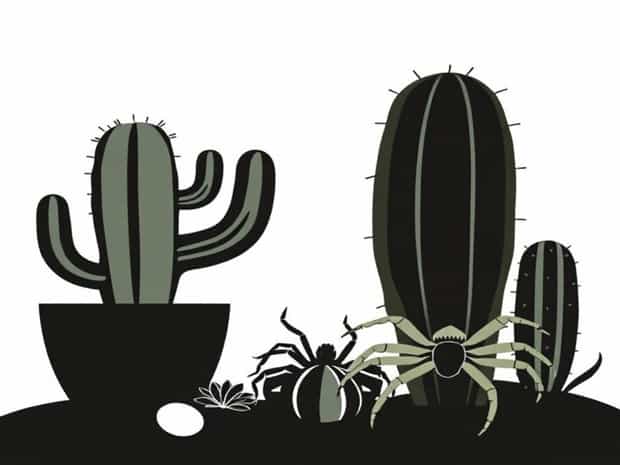
Cacti And Tarantulas Neutralism
In the diverse ecosystems of arid and semi-arid regions, a wide variety of organisms coexist, often interacting in complex ways. Among these, cacti and tarantulas are two species that share a habitat but rarely influence each other directly. This relationship is an example of neutralism, a type of ecological interaction where two species exist in the same environment without significantly affecting one another. Understanding how cacti and tarantulas exemplify neutralism provides insights into the balance of ecosystems and the intricate web of species interactions that sustain biodiversity.
What is Neutralism?
Neutralism is a type of ecological relationship in which two species occupy the same habitat but do not have direct effects on each other’s survival, reproduction, or overall well-being. Unlike mutualism, where both species benefit, or predation, where one species benefits at the expense of the other, neutralism is characterized by minimal or no interaction between the involved species. In natural ecosystems, true neutralism is relatively rare because most organisms influence each other in some way, even indirectly. However, cacti and tarantulas demonstrate a clear example, as their lives intersect primarily through shared environmental space rather than through direct biological interaction.
Characteristics of Neutralism
- Minimal direct interaction between species.
- Coexistence in the same habitat without affecting growth, reproduction, or survival.
- Shared environmental resources are typically abundant enough to prevent competition.
- Indirect interactions, if present, are negligible.
Cacti Adaptations and Role in the Ecosystem
Cacti are succulent plants adapted to thrive in harsh, dry environments. They possess specialized structures that allow them to conserve water, such as thick stems, reduced leaves, and spines that minimize water loss and provide protection from herbivores. Cacti play an essential role in desert ecosystems by stabilizing soil, providing shelter for small animals, and serving as a water source during extreme drought periods. Despite their ecological importance, cacti generally do not interact directly with larger predators like tarantulas.
Key Adaptations of Cacti
- Water storage in thick, fleshy stems.
- Reduced leaves or spines to minimize water loss and deter herbivores.
- Extensive root systems to maximize water absorption from scarce rainfall.
- Ability to photosynthesize through stems (CAM photosynthesis) for efficient water use.
Tarantulas Behavior and Ecological Function
Tarantulas are large, ground-dwelling spiders commonly found in arid and semi-arid environments. They are primarily nocturnal predators that feed on insects, small rodents, and other arthropods. Tarantulas create burrows or inhabit existing shelters, such as under rocks or within loose soil, which provide protection from extreme temperatures and predators. While tarantulas share habitats with cacti, they do not rely on the plants for food or shelter directly, making their relationship with cacti neutral.
Key Traits of Tarantulas
- Nocturnal hunting behavior that minimizes exposure to extreme heat.
- Burrowing or sheltering behavior for protection from predators and environmental extremes.
- Carnivorous diet, primarily consuming insects and small animals.
- Slow metabolic rate, allowing survival in resource-scarce environments.
Neutralism Between Cacti and Tarantulas
The neutralism observed between cacti and tarantulas can be understood by examining their ecological niches. While both species share the same desert environment, they occupy different niches and utilize distinct resources. Cacti depend on sunlight, soil nutrients, and occasional water sources for survival, while tarantulas rely on prey availability and safe shelter. Because there is minimal overlap in their resource use, neither species exerts significant influence on the other’s life processes.
Examples in Nature
- Tarantulas may create burrows near cactus clusters but do not harm the plants or utilize them for sustenance.
- Cacti may offer minor indirect benefits, such as providing shade or microhabitats for small insects, which could become prey for tarantulas; however, this effect is negligible in terms of neutralism.
- Both species coexist without affecting each other’s reproduction or survival rates.
Importance of Neutralism in Ecosystems
Neutralism, although less dramatic than mutualism or predation, contributes to ecosystem stability. By allowing species to coexist without direct interference, neutralism helps maintain biodiversity and reduces competition for limited resources. In deserts, where resources are scarce, neutral relationships like that between cacti and tarantulas enable multiple species to inhabit the same area without negatively impacting one another, thereby sustaining the delicate balance of these ecosystems.
Benefits of Neutralism
- Supports coexistence of diverse species within a shared habitat.
- Reduces competitive stress over limited resources.
- Helps maintain ecological stability and biodiversity.
- Provides opportunities for indirect interactions that may benefit the broader ecosystem.
Observing Neutralism in Field Studies
Ecologists studying desert ecosystems can observe neutralism by monitoring species interactions and resource use. Observing cacti and tarantulas in their natural environment highlights how species can coexist without direct interference. Researchers can document the distribution of tarantula burrows relative to cactus locations, noting that proximity does not influence cactus growth or tarantula survival significantly. Such studies contribute to a deeper understanding of species dynamics and ecological balance.
Research Methods
- Field observations of species interactions and behavior.
- Mapping of habitat utilization for different species.
- Monitoring survival rates and reproductive success in shared habitats.
- Documenting indirect effects, such as prey availability or microhabitat conditions.
The relationship between cacti and tarantulas exemplifies neutralism, a fascinating ecological interaction in which species coexist without directly affecting each other. While cacti contribute to desert stability and tarantulas play a role as predators, their lives intersect only minimally. Understanding such relationships helps ecologists appreciate the complexity of ecosystems and the subtle ways in which species interactions shape the natural world. By studying neutralism, we gain insight into how biodiversity is maintained, how resources are allocated among different organisms, and how species can thrive in shared environments without direct competition or mutual dependence.