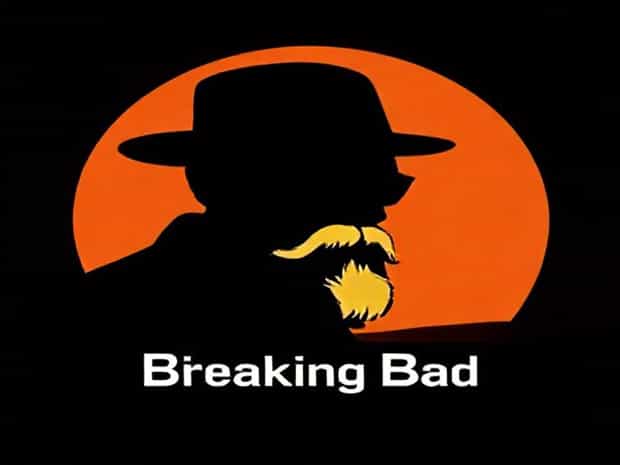
Breaking Bad Walt Whitman
In the world of Breaking Bad, symbolism and literary references play an important role in deepening the themes of morality, identity, and the duality of human nature. One of the most memorable references in the show is to the American poet Walt Whitman. His presence is not literal, but his poetry and name become critical to the unraveling of Walter White’s carefully constructed double life. The intersection between Breaking Bad and Walt Whitman is more than a simple Easter egg; it is a layered metaphor about secrecy, duality, and the revelation of truth. Understanding why Whitman appears in the story helps reveal the genius of Vince Gilligan’s writing and the symbolic richness of the series.
The Symbolic Role of Walt Whitman in Breaking Bad
Walt Whitman is one of the most influential poets in American history, best known for his groundbreaking collection Leaves of Grass. In Breaking Bad, this book appears at a pivotal moment, serving as both a metaphor and a clue. It symbolizes hidden truths and becomes the link that exposes Walter White as Heisenberg to his brother-in-law Hank Schrader. Whitman’s poetry, which often celebrates individuality and the contradictions within people, mirrors Walter White’s transformation into Heisenberg and the complexity of his character.
The Book Leaves of Grass
In the show, Gale Boetticher, a chemist and assistant to Walter White, gives Walt a copy of Leaves of Grass. This book is not only a token of admiration but also a reflection of the intellectual bond between Gale and Walt. Gale is fascinated by both chemistry and poetry, and Walt Whitman represents the merging of science and art. The inscription inside the book, however, becomes one of the most critical turning points in the entire series.
The Inscription and Hank’s Discovery
The true significance of Whitman’s Leaves of Grass surfaces in season five. Walt leaves the book in his bathroom, and Hank, while using the restroom, stumbles upon it. Inside, he finds Gale’s handwritten dedication to Walt, which includes initials that connect directly to the mysterious Heisenberg. In this moment, the symbolic presence of Whitman transforms into a narrative device that shatters Walt’s carefully hidden secret. This scene shows how literature and symbolism are interwoven into Breaking Bad’s storytelling.
Why Walt Whitman Matters in the Story
Walt Whitman’s poetry explores themes of identity, duality, and the celebration of the self. These themes resonate deeply with Walter White’s journey. The showrunner’s choice to integrate Whitman into the storyline was not accidental but deliberate, as Whitman’s work echoes the struggles and contradictions that define Walter White’s character.
Identity and Duality
One of Whitman’s most famous lines comes from Song of Myself, where he writes, Do I contradict myself? Very well then I contradict myself, (I am large, I contain multitudes). This concept of containing multitudes reflects Walter White’s dual identity as a family man and a drug kingpin. Just as Whitman embraces contradiction, Walt justifies his conflicting roles as both provider and criminal mastermind.
The Celebration of the Self
Whitman’s poetry often emphasizes the power of individuality and the self. Similarly, Walter White’s transformation from a humble chemistry teacher into Heisenberg is, in part, his way of asserting control over his life. By building an empire, he validates his existence in a way he never could in his ordinary life. Walt’s embrace of Heisenberg mirrors Whitman’s celebration of self-expression, though in a much darker context.
Breaking Bad and the Literary Connection
Breaking Bad is filled with literary and cultural references, but the inclusion of Walt Whitman stands out because of its profound symbolic weight. It bridges the gap between poetry and crime drama, showing how timeless themes of human contradiction can resonate across different forms of storytelling.
Gale Boetticher’s Role
Gale is not just a supporting character; he embodies the intellectual and moral contrast to Walt. His admiration for Whitman symbolizes his idealism and his appreciation for beauty, both scientific and poetic. By gifting Walt Leaves of Grass, Gale unknowingly leaves behind the evidence that seals Walt’s downfall. This tragic irony is one of the most poetic elements in the series itself.
Literary Symbolism in Television
The use of Whitman highlights how Breaking Bad transcends the boundaries of a typical crime drama. By weaving literature into the narrative, the show elevates itself into a work of art that rewards viewers who look deeper. It demonstrates how poetry and storytelling can cross paths in unexpected ways, enriching the audience’s understanding of both mediums.
The Theme of Discovery and Revelation
The inscription in Leaves of Grass is not just a plot device it represents the inevitability of truth. Walt spends the series carefully hiding his identity, but like Whitman’s celebration of openness and truth, the book becomes the key to exposing him. The fact that this revelation occurs in such an ordinary setting, Hank using the bathroom, underscores Breaking Bad’s mastery of combining the mundane with the profound.
The Irony of Walt Whitman’s Role
What makes the use of Walt Whitman in Breaking Bad particularly powerful is its irony. Whitman’s poetry celebrates life, humanity, and self-expression, yet in the series, his words are tied to lies, crime, and destruction. This irony creates a layered meaning, showing how beauty and darkness can be intertwined.
The Broader Impact on Breaking Bad Fans
The connection between Walt Whitman and Breaking Bad has fascinated fans and critics alike. Many viewers revisited Whitman’s poetry after watching the series, exploring the deeper connections between the poet’s themes and Walter White’s character arc. This crossover of literature and television demonstrates the cultural power of Breaking Bad, which not only tells a compelling story but also encourages exploration of classic American poetry.
Discussions and Interpretations
Fans often debate the significance of Whitman’s presence in the show. Was it meant as a simple literary nod, or was it a deliberate statement about Walter White’s contradictions? Many interpret it as both, emphasizing how Breaking Bad thrives on ambiguity and multiple layers of meaning. The richness of this connection ensures that the role of Whitman will continue to be analyzed by viewers and scholars alike.
Key Lessons from the Walt Whitman Reference
The inclusion of Walt Whitman in Breaking Bad offers several key takeaways
- Symbolism MattersSmall details, like a book, can carry enormous narrative weight.
- Identity Is ComplexBoth Whitman’s poetry and Walt’s journey remind us that human beings contain contradictions.
- The Truth Always EmergesDespite Walt’s efforts to hide, the truth comes out in the most unexpected way.
- Literature Enhances StorytellingBy blending poetry with drama, the series deepens its cultural and intellectual impact.
The reference to Walt Whitman in Breaking Bad is one of the most brilliant examples of how literature can enrich a television narrative. The use of Leaves of Grass as both a symbol and a clue ties together themes of duality, identity, and inevitable revelation. Walter White’s journey mirrors the contradictions celebrated by Whitman, but twists them into a darker, destructive path. For fans, this connection not only adds depth to the series but also sparks renewed interest in poetry and its timeless insights into the human condition. By intertwining Breaking Bad with Walt Whitman, the show cements itself as a masterpiece of layered storytelling that continues to inspire analysis long after its conclusion.