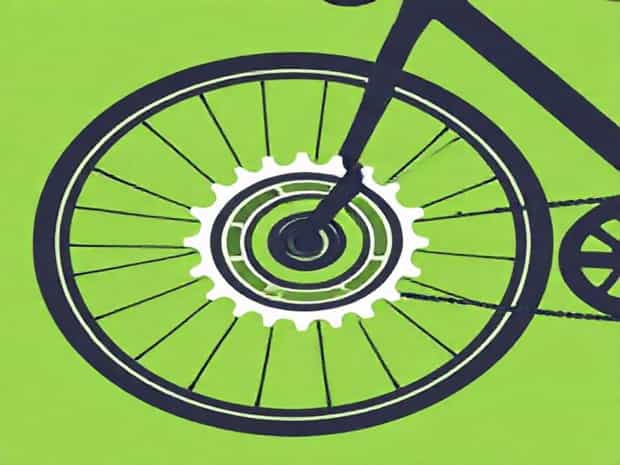
Bike Gears Slipping Under Pressure
When you’re out on a ride, few things are as frustrating as bike gears slipping under pressure. You push hard on the pedals expecting speed and power, but instead the chain skips, grinds, or slips forward without delivering the energy you’re putting in. This problem can turn an enjoyable ride into a stressful one and may even lead to safety issues if it happens while climbing a hill or crossing a busy road. Understanding why gears slip, how to identify the cause, and what steps to take for repair or prevention is essential for every cyclist, whether you’re a casual rider or a serious enthusiast.
Common Causes of Bike Gears Slipping Under Pressure
When bike gears start slipping, the issue is usually linked to the drivetrain components. These parts work together to transfer power from your legs to the wheels, and even a minor problem can cause slipping under heavy pedaling. Below are the most common reasons this happens.
Worn Out Chain
Chains naturally stretch over time due to consistent pressure and friction. A stretched or worn-out chain no longer fits snugly into the teeth of the cassette, leading to slipping when you apply extra force. Measuring chain wear regularly is one of the simplest ways to prevent this issue.
Worn Cassette or Chainrings
Just like the chain, cassettes and chainrings also wear down over time. The teeth can become sharp or uneven, causing the chain to skip when you’re riding uphill or accelerating quickly. Replacing the cassette along with the chain ensures smooth operation.
Cable Tension Problems
If the derailleur cable tension is too loose or too tight, the derailleur won’t align the chain correctly with the gears. This misalignment results in gear slipping or incomplete shifts, especially noticeable under pressure.
Dirty or Dry Drivetrain
Dirt, grime, and lack of lubrication create friction and interfere with smooth gear shifting. A poorly maintained drivetrain can mimic the symptoms of worn-out parts even if they are still in good condition.
Derailleur Issues
A bent derailleur hanger, damaged derailleur, or misaligned setup can also cause gears to slip. Since the derailleur is responsible for guiding the chain across the gears, any problem with it will affect shifting performance.
How to Diagnose the Problem
Before you start replacing components, it’s important to identify the exact cause of the slipping. Here are a few steps you can take
- Inspect the chainLook for visible signs of stretch or rust. Use a chain wear indicator tool if available.
- Examine the cassette and chainringsWorn teeth often look hooked or sharp compared to the original rounded shape.
- Check derailleur alignmentStand behind the bike and see if the derailleur lines up vertically with the gears.
- Test cable tensionShift through all gears while the bike is on a stand to see if adjustments are needed.
- Clean the drivetrainRemove any dirt or debris to ensure smooth movement.
Fixing Bike Gears That Slip
Once you identify the cause, you can take the appropriate steps to fix the problem. The solution depends on the severity of the wear or damage.
Replacing the Chain
If the chain is stretched beyond its lifespan, replacing it is the easiest fix. This is a relatively inexpensive repair and should be done before the chain causes further damage to the cassette or chainrings.
Replacing the Cassette and Chainrings
When the cassette or chainrings are too worn, replacing them is the only solution. It’s usually recommended to replace the chain at the same time to ensure smooth compatibility.
Adjusting the Derailleur
Small adjustments with the barrel adjuster on the derailleur cable can solve slipping caused by tension issues. For bent hangers or damaged derailleurs, replacement may be necessary.
Cleaning and Lubricating
A proper cleaning with a degreaser followed by fresh lubrication often restores smooth gear changes. This step should be part of regular maintenance to prevent gear slipping in the first place.
Preventing Gear Slipping in the Future
Prevention is always easier and cheaper than repair. By maintaining your drivetrain and keeping an eye on wear and tear, you can avoid most cases of slipping gears.
- Clean and lubricate the chain regularly.
- Replace the chain every 1,500-2,000 miles, depending on riding conditions.
- Check cassette and chainrings for wear during routine maintenance.
- Keep the derailleur aligned and ensure cable tension is correct.
- Avoid cross-chaining, which puts extra stress on the drivetrain.
Why Bike Gears Slip Under Pressure More Often
It’s important to note that gears tend to slip more noticeably when you apply strong force, such as during hill climbs or sprints. Under these conditions, any small misalignment, dirt buildup, or wear becomes amplified. Riders who frequently ride in demanding conditions should pay closer attention to drivetrain health and replace parts more often.
When to Seek Professional Help
While many cyclists can handle basic maintenance and adjustments at home, some cases require professional attention. If gears keep slipping even after cleaning, lubricating, and replacing parts, a bike mechanic can identify subtle issues such as a bent frame dropout, hidden derailleur damage, or internal cable friction. Professional service also ensures that everything is properly tuned for long-term performance.
Bike gears slipping under pressure is a common problem but not one that should be ignored. It signals underlying wear, misalignment, or maintenance issues that can affect both performance and safety. By learning to identify the causes, taking care of your drivetrain, and replacing parts when necessary, you can ensure smooth rides without the frustration of slipping gears. With regular upkeep, your bike will respond reliably to every push on the pedals, letting you focus on the joy of the ride instead of mechanical problems.