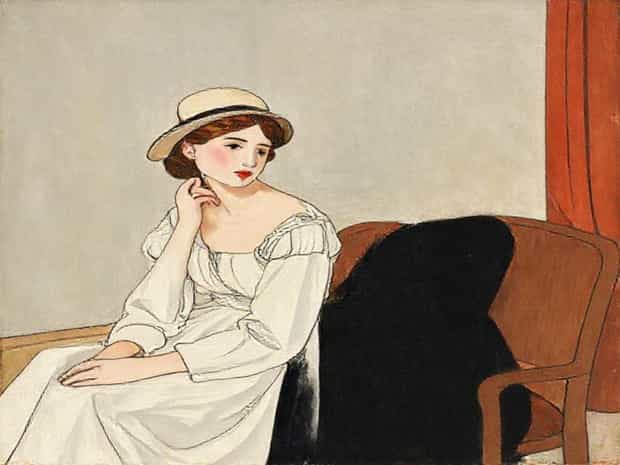
Berthe Morisot And Mary Cassatt
Berthe Morisot and Mary Cassatt are two of the most influential women in the history of Impressionism, a movement that redefined the boundaries of art in the late 19th century. Their innovative approaches to painting, combined with their unique perspectives on domestic life, motherhood, and the female experience, established them as pioneering figures in a male-dominated art world. While both artists shared connections with leading Impressionist figures like Ãdouard Manet and Edgar Degas, their individual styles and subjects reflected deeply personal interpretations of modern life. Their works continue to captivate audiences and scholars alike, not only for their aesthetic qualities but also for their historical significance in advancing opportunities for women in art. Exploring the lives, artistic methods, and legacies of Morisot and Cassatt provides insight into the broader context of Impressionism and the enduring impact of women artists on the evolution of modern painting.
Berthe Morisot Life and Artistic Journey
Berthe Morisot was born in 1841 in Bourges, France, into a cultured and artistic family. She began studying art at a young age and quickly developed a talent for painting. Morisot’s early work reflected traditional academic influences, but she soon became drawn to the new ideas circulating in Paris, especially those that emphasized light, color, and everyday life. By the 1870s, she was exhibiting with the Impressionists, becoming one of the movement’s leading female figures. Her work often focused on intimate domestic scenes, landscapes, and portraits, capturing the subtle nuances of modern life with delicate brushwork and an acute sensitivity to light and color.
Artistic Style and Techniques
Morisot’s style is characterized by loose, fluid brushstrokes, soft color palettes, and a focus on the fleeting effects of light. She frequently painted women and children in domestic settings, portraying moments of quiet reflection and everyday activity. Morisot’s approach was revolutionary in its emphasis on the subjective perception of reality, which aligned with the core principles of Impressionism. Key aspects of her style include
- Use of light, airy brushstrokes to convey movement and spontaneity.
- Soft, pastel color palettes to create harmonious and atmospheric compositions.
- Focus on domestic life, particularly the private world of women and children.
- Incorporation of plein air techniques to capture natural light and environment.
- Attention to composition and perspective, often highlighting intimate and informal moments.
Mary Cassatt Life and Artistic Contributions
Mary Cassatt was born in 1844 in Pittsburgh, Pennsylvania, and later moved to Paris to pursue formal art training. Cassatt quickly became immersed in the Parisian art scene, where she formed friendships with Degas and other leading Impressionists. Unlike many of her American contemporaries, she embraced modern European techniques and subjects, focusing on women’s lives, family relationships, and the experiences of children. Cassatt’s work is renowned for its precision, expressive use of color, and thoughtful representation of intimate domestic scenes, which often challenge traditional depictions of women in art.
Style and Techniques of Cassatt
Cassatt combined Impressionist principles with a unique attention to detail and structure, resulting in a style that is both expressive and controlled. She excelled in pastels, oils, and printmaking, particularly etching, which allowed her to experiment with line and form. Notable elements of her technique include
- Use of bold yet harmonious colors to define figures and space.
- Focus on motherhood, children, and the private lives of women.
- Integration of Impressionist light effects with careful compositional structure.
- Experimentation with printmaking to expand the reach of her work.
- Depiction of everyday life with emotional intimacy and narrative depth.
Comparison of Morisot and Cassatt
While both Morisot and Cassatt worked within the framework of Impressionism, their approaches reveal distinct perspectives shaped by personal experience, cultural background, and artistic vision. Morisot’s work is often more ethereal and delicate, with an emphasis on movement and the transient effects of light, whereas Cassatt’s work exhibits structural clarity, expressive color, and psychological depth. Both artists, however, shared a commitment to portraying women’s experiences and the domestic sphere, offering an important counterpoint to the predominantly male perspectives in the art world of their time.
Common Themes
- Representation of women in daily life and domestic spaces.
- Exploration of motherhood, children, and familial relationships.
- Emphasis on modernity and the subtle experiences of contemporary life.
- Adoption of Impressionist techniques to convey light, color, and movement.
- Focus on intimate, private moments rather than grand historical or mythological subjects.
Distinctive Characteristics
- Morisot Lighter, more fluid brushwork, pastel tones, emphasis on fleeting light effects.
- Cassatt Stronger compositional structure, bold use of color, attention to psychological intimacy.
- Morisot More often painted landscapes and open-air scenes in addition to domestic life.
- Cassatt Focused on printmaking and expanding accessibility through etchings.
Impact on the Impressionist Movement
Berthe Morisot and Mary Cassatt were not only successful artists but also crucial participants in shaping Impressionism. Their inclusion in major exhibitions helped validate the movement and broaden its thematic scope, particularly regarding women’s roles and domestic subjects. Both artists challenged societal norms by asserting their presence in the public sphere of art and by depicting women as complex, autonomous subjects. Their influence encouraged greater recognition of women artists and expanded the range of themes considered suitable for high art.
Legacy and Recognition
- Both Morisot and Cassatt are celebrated in major museums worldwide, including the Musée d’Orsay, the Metropolitan Museum of Art, and the National Gallery of Art.
- Their works continue to inspire contemporary artists exploring themes of gender, domesticity, and modern life.
- Scholarly research highlights their contributions to Impressionism and the broader history of women in art.
- Exhibitions often explore their innovative use of technique, composition, and subject matter.
- Their correspondence and documented interactions with other Impressionist figures provide insight into the collaborative and supportive networks of women artists.
Berthe Morisot and Mary Cassatt remain pivotal figures in the history of Impressionism, celebrated for their technical skill, innovative vision, and profound exploration of women’s lives and domestic experiences. While each artist brought a unique style and approach to her work, both expanded the boundaries of Impressionism by emphasizing intimacy, emotion, and the subtleties of everyday life. Their contributions not only enriched the artistic landscape of the 19th century but also paved the way for greater recognition of women in art. Studying their lives and works offers valuable insight into the evolution of modern painting, the role of women in shaping cultural narratives, and the enduring power of art to reflect and transform human experience.