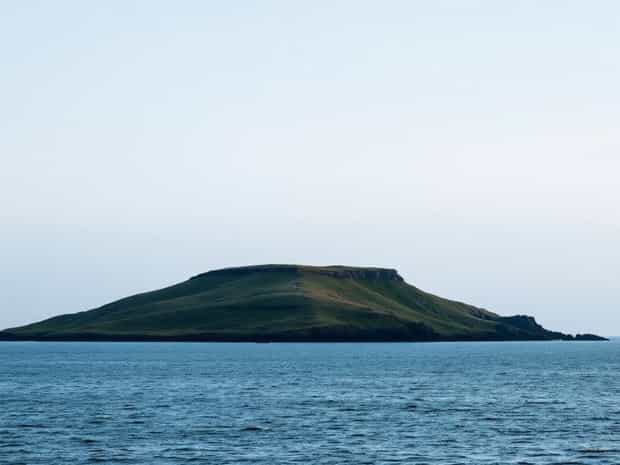
Is Mull Of Kintyre On Mull
The Mull of Kintyre is a name that often sparks curiosity among those exploring the geography of Scotland. Many people wonder whether it is located on the Isle of Mull or elsewhere, especially since both names Mull and Kintyre appear in discussions about Scottish islands and peninsulas. Understanding the precise location of the Mull of Kintyre requires a closer look at Scotland’s geography, including its peninsulas, islands, and historical settlements. Clarifying this distinction helps travelers, students, and geography enthusiasts avoid common misconceptions and appreciate the unique landscapes and cultural significance of the region.
Geographical Context of Kintyre
The Kintyre Peninsula is a narrow stretch of land in southwestern Scotland, extending southward into the Atlantic Ocean. It is known for its rugged coastline, scenic views, and historical settlements. The peninsula is part of the Argyll and Bute council area and has a mix of mountains, rolling hills, and coastal plains. Its southern tip is famously known as the Mull of Kintyre, which provides breathtaking views across the sea toward Northern Ireland. Understanding the Kintyre Peninsula is essential to locating the Mull of Kintyre accurately, as it is not an island but rather the southernmost point of this prominent peninsula.
Features of the Kintyre Peninsula
- Length of approximately 30 miles from north to south.
- Narrow width at certain points, often less than 10 miles across.
- Rugged terrain with a mix of mountains and coastal landscapes.
- Settlements including Campbeltown, Machrihanish, and Tarbert.
- Rich history with ancient settlements, castles, and cultural heritage sites.
Understanding the Mull of Kintyre
The Mull of Kintyre is the southernmost tip of the Kintyre Peninsula and is famous for its lighthouse, scenic cliffs, and panoramic views over the North Channel toward Northern Ireland. The word mull in Scottish geography often refers to a promontory or headland, which is why the term appears in its name. This location has been an important navigation point for sailors for centuries, guiding ships safely along the western coast of Scotland. Its rugged beauty and dramatic landscape have also inspired artists, writers, and musicians, making it a culturally significant landmark in addition to its geographical importance.
Key Characteristics of the Mull of Kintyre
- Located at the southern tip of the Kintyre Peninsula, not on the Isle of Mull.
- Features a historic lighthouse operated by the Northern Lighthouse Board.
- Offers views across the North Channel to Northern Ireland, including Rathlin Island.
- Popular for birdwatching, hiking, and photography.
- Accessible via the A83 road from Campbeltown and other nearby towns.
Clarifying the Confusion with the Isle of Mull
The Isle of Mull is one of Scotland’s largest islands, located to the northwest of the Kintyre Peninsula across the Firth of Lorn and the Sound of Mull. Despite the similarity in names, the Mull of Kintyre is not located on the Isle of Mull. The Isle of Mull is part of the Inner Hebrides and is known for its mountainous terrain, wildlife, and ferry connections to the mainland. The confusion arises because Mull can refer to a promontory or headland in Scottish Gaelic, and the Isle of Mull shares the same root word, even though geographically it is an island separated from the mainland. Recognizing this distinction is important for navigation, tourism, and geographical understanding.
Geographical Separation
- The Kintyre Peninsula, including the Mull of Kintyre, is connected to the Scottish mainland.
- The Isle of Mull is an island separated by the Firth of Lorn and the Sound of Mull.
- Travel to the Mull of Kintyre involves road access, whereas reaching the Isle of Mull typically requires a ferry.
- Both locations offer scenic beauty, but they differ in accessibility and landscape features.
Historical Significance
The Mull of Kintyre has been historically important for maritime navigation, local settlements, and cultural heritage. The lighthouse at the tip was constructed to ensure safe passage for ships navigating the western Scottish coast. Historically, the Kintyre Peninsula was a hub for Celtic and Norse settlements, and the Mull of Kintyre played a role in trade and defense due to its strategic location overlooking the North Channel. The area’s cultural significance is also reflected in Scottish music and folklore, with the Mull of Kintyre inspiring songs, poetry, and artistic expression throughout the years.
Cultural and Musical Connections
- Popularized in contemporary culture by a famous song highlighting the scenic beauty of the peninsula.
- Associated with Scottish Gaelic heritage and local traditions.
- Site for festivals, walking trails, and local community events.
- Recognized internationally as a symbol of Scottish coastal beauty.
Tourism and Natural Attractions
The Mull of Kintyre is a popular destination for travelers seeking natural beauty and outdoor activities. Hiking trails allow visitors to explore the rugged cliffs and coastal views, while birdwatchers are drawn to the diverse wildlife in the area. The lighthouse itself is an attraction, providing historical context and scenic viewpoints. The surrounding villages and towns offer local cuisine, accommodation, and cultural experiences that complement the natural scenery. In contrast, the Isle of Mull offers different experiences, including wildlife tours, mountain hikes, and ferry access to other islands, reinforcing the distinction between the two locations.
Activities for Visitors
- Hiking along coastal cliffs and trails.
- Birdwatching and wildlife observation.
- Photography of panoramic landscapes and the North Channel.
- Exploring local villages, culture, and cuisine.
- Visiting the lighthouse and learning about maritime history.
the Mull of Kintyre is not located on the Isle of Mull. It is the southernmost tip of the Kintyre Peninsula in southwestern Scotland, known for its dramatic cliffs, lighthouse, and views toward Northern Ireland. While both the Mull of Kintyre and the Isle of Mull share the word Mull in their names, they are distinct geographical entities with different landscapes, access routes, and cultural contexts. Understanding this distinction helps clarify common misconceptions and highlights the unique characteristics of Scotland’s peninsulas and islands. Travelers and geography enthusiasts benefit from recognizing the difference, ensuring accurate navigation, and appreciating the natural and cultural significance of each location.
The Mull of Kintyre stands as a remarkable promontory with historical, cultural, and scenic importance, while the Isle of Mull remains a separate island destination with its own unique attractions. By distinguishing between the two, visitors can better plan their trips, explore local heritage, and enjoy the diverse beauty of Scotland’s coastal and island regions. Both locations exemplify the rich geography and cultural depth of Scotland, but they are unmistakably distinct in both location and identity.