Is Mascarpone Whipped Cream
Mascarpone and whipped cream are both beloved ingredients in desserts and baking, often used to create rich and creamy textures. However, many people wonder whether mascarpone is the same as whipped cream or if it can be used interchangeably in recipes. Understanding the differences between these two dairy products is essential for both professional chefs and home bakers, as substituting one for the other can significantly alter the flavor, texture, and outcome of a dish. Exploring their origins, production processes, and culinary uses provides clarity on this common question.
The Origins of Mascarpone
Mascarpone is an Italian cream cheese that originated in the Lombardy region of Italy. Traditionally made from fresh cream and citric acid or tartaric acid, mascarpone has a soft, creamy texture and a rich, slightly sweet flavor. Unlike harder cheeses, mascarpone is known for its spreadable consistency, making it ideal for desserts such as tiramisu, cheesecakes, and creamy sauces. Its production process differs significantly from whipped cream, which is why it cannot be considered the same product.
How Mascarpone Is Made
To make mascarpone, fresh cream is gently heated and acidified, causing it to thicken without the addition of rennet or extensive fermentation. This gentle curdling process results in a smooth, dense cream cheese with a fat content typically ranging from 60% to 75%, much higher than most cheeses or creams. The high fat content gives mascarpone its rich texture, which holds shape well in recipes and adds depth to desserts. Understanding this process highlights why mascarpone is more structured than whipped cream, which is aerated and light.
Understanding Whipped Cream
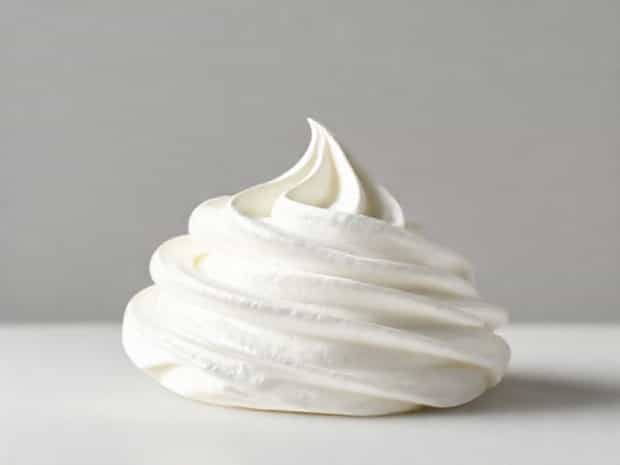
Whipped cream, in contrast, is made by aerating heavy cream, often with the addition of sugar and sometimes vanilla for flavor. The whipping process incorporates air into the cream, creating a light, fluffy texture that can be piped or spooned onto desserts. Unlike mascarpone, whipped cream is much lower in fat, usually around 36% to 40%, and has a more delicate structure that can collapse if overmixed or left at room temperature. Its lightness and volume make it ideal for topping pies, cakes, hot beverages, and fruit.
Key Differences Between Mascarpone and Whipped Cream
While both mascarpone and whipped cream are creamy and delicious, they differ in several key ways
- TextureMascarpone is thick, dense, and spreadable, whereas whipped cream is light, airy, and fluffy.
- Fat ContentMascarpone has a higher fat content (60-75%) compared to whipped cream (36-40%).
- ProductionMascarpone is acid-thickened cream, while whipped cream is mechanically aerated heavy cream.
- FlavorMascarpone is subtly sweet and rich, while whipped cream has a neutral, creamy flavor that can be sweetened.
- UsesMascarpone is often used in dense desserts or creamy sauces, whereas whipped cream is used as a topping or for light fillings.
Culinary Uses of Mascarpone
Mascarpone’s versatility in the kitchen goes beyond its use in tiramisu. It can be incorporated into frostings, cheesecake fillings, pasta sauces, and even savory dishes. Its thick consistency allows it to hold structure in layered desserts and provide a luxurious mouthfeel. Because mascarpone is not whipped, it cannot replicate the light, airy texture of whipped cream without additional ingredients or whipping techniques. Chefs often combine mascarpone with whipped cream to achieve a creamy yet fluffy filling, balancing richness with lightness.
Culinary Uses of Whipped Cream
Whipped cream is primarily used as a topping for cakes, pies, hot chocolate, and other desserts. Its aerated texture makes it ideal for piping and decoration, providing visual appeal alongside flavor. Whipped cream can also be folded into mousses, trifles, or chilled desserts to lighten their texture. While mascarpone can add richness, whipped cream adds volume and lightness, showing why the two are not interchangeable in all recipes.
Can Mascarpone Replace Whipped Cream?
Although mascarpone can be used to create creamy fillings, it is not the same as whipped cream and cannot fully replicate its texture. In some recipes, mascarpone is blended with whipped cream to combine richness with lightness, such as in tiramisu or mousse. This mixture allows the dessert to maintain its airy structure while benefiting from mascarpone’s creamy depth. Simply using mascarpone on its own in place of whipped cream may result in a denser, heavier dessert, which could alter the intended experience of the dish.
Tips for Using Mascarpone in Desserts
- Temper mascarpone by gently folding it with whipped cream to create a lighter texture.
- Sweeten mascarpone lightly with sugar, honey, or vanilla when using it in desserts.
- Keep mascarpone chilled until ready to use to maintain its consistency and prevent separation.
- For mousse or cake fillings, mix mascarpone with whipped cream to achieve a balance of richness and fluffiness.
mascarpone is not whipped cream. While both are creamy and used in desserts, their differences in texture, fat content, production process, and culinary applications set them apart. Mascarpone offers a rich, dense, and luxurious mouthfeel, whereas whipped cream provides lightness, volume, and aeration. Combining both can create desserts that are both rich and fluffy, but understanding their individual characteristics ensures that recipes turn out as intended. Whether used separately or together, mascarpone and whipped cream each bring unique qualities to the table, enhancing the flavor and texture of countless sweet and savory dishes. Recognizing that mascarpone is a cream cheese rather than an aerated cream helps bakers and home cooks make informed choices, achieving the best results in every recipe.