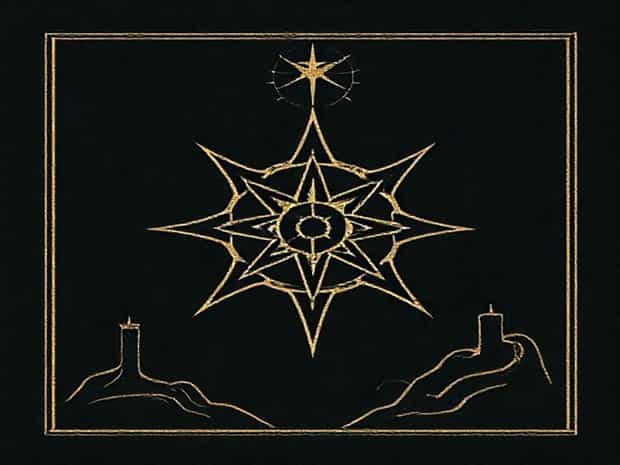
Art Of The Occult
The art of the occult has fascinated humans for centuries, drawing curiosity, fear, and intrigue from different cultures and societies. Often associated with hidden knowledge, mystical practices, and esoteric wisdom, the occult encompasses a wide range of disciplines that explore the unseen aspects of the universe. From astrology and alchemy to divination and ceremonial magic, the occult seeks to understand forces beyond ordinary perception. Many people turn to the occult for spiritual insight, personal growth, or guidance in decision-making, while scholars study it to understand historical beliefs and cultural practices. This exploration of the art of the occult reveals its complexity, significance, and enduring influence on human thought and culture.
Definition and Scope of the Occult
The word occult” comes from the Latin term occultus, meaning hidden or secret. It generally refers to knowledge and practices that are not readily accessible to everyone and often require initiation or special understanding. The scope of the occult is broad, encompassing spiritual, mystical, and metaphysical studies. Practitioners often use symbols, rituals, and esoteric systems to connect with unseen forces or gain insight into hidden truths.
Core Principles
At its essence, the art of the occult emphasizes the idea that reality extends beyond what the senses perceive. Key principles include
- Interconnectedness of all things, seen and unseen
- Influence of subtle energies and spiritual forces
- Use of symbols, rituals, and tools to access hidden knowledge
- Personal transformation through esoteric learning
These principles guide both practical applications, like divination, and theoretical explorations, such as the study of mystical texts.
Historical Background of the Occult
The practice of occult arts has roots in ancient civilizations, where spiritual and mystical traditions were often intertwined with daily life. In Egypt, practitioners explored alchemy, astrology, and magical rituals. In Greece, philosophers and mystics studied the metaphysical nature of existence, while in medieval Europe, the occult blended with Hermeticism, Kabbalah, and early alchemical practices. During the Renaissance, the study of the occult gained prominence as scholars sought hidden knowledge in nature, the cosmos, and human consciousness. Across cultures, the occult has influenced religion, art, science, and philosophy, demonstrating its deep and lasting impact.
Occult Practices Across Cultures
The occult manifests differently depending on cultural context. Examples include
- Eastern traditions Tantra, Taoist alchemy, and divination practices such as I Ching
- Western traditions Astrology, Hermeticism, ceremonial magic, and Tarot
- Indigenous practices Shamanism, spirit communication, and ritual healing
- Modern adaptations Neo-paganism, Wicca, and contemporary mystical communities
Key Disciplines Within the Occult
The art of the occult encompasses many disciplines, each with its own methods, symbols, and goals. These disciplines are often interconnected, forming a complex web of knowledge and practice.
Alchemy
Alchemy is one of the oldest and most symbolic branches of the occult. Traditionally, it involved the transformation of base metals into gold, but it also carries a metaphorical meaning the spiritual transformation of the self. Alchemists used symbolic language and experiments to explore both material and spiritual processes, seeking the Philosopher’s Stone, which represents ultimate wisdom and enlightenment.
Astrology
Astrology is the study of celestial bodies and their influence on human behavior and events. Astrologers create charts based on the positions of planets, the sun, and the moon to predict personal tendencies, relationships, and life outcomes. While astrology has scientific critics, it remains a popular tool within the occult for self-understanding and guidance.
Divination
Divination involves practices that seek insight into future events or hidden knowledge. Common forms include Tarot card reading, crystal ball gazing, runes, and scrying. Divination is often used not just for prediction but also for reflection and personal guidance, helping individuals make decisions or understand deeper life patterns.
Ceremonial Magic
Ceremonial or ritual magic focuses on structured rituals to connect with spiritual entities or invoke specific energies. Practitioners may use spells, chants, sacred tools, and symbolic gestures. Ceremonial magic often emphasizes discipline, intention, and knowledge of esoteric systems to achieve desired spiritual or practical outcomes.
Symbols and Tools of the Occult
Symbols play a crucial role in the art of the occult. They serve as visual representations of concepts, forces, or spiritual truths. Common symbols include pentagrams, the Ankh, the Eye of Providence, and various alchemical glyphs. Tools such as wands, crystals, chalices, and ceremonial robes are often used to focus intention and channel energy during rituals or meditative practices.
Importance of Rituals
Rituals in the occult are more than formalities they provide structure and focus for spiritual work. Rituals may involve meditation, chanting, visualization, or invocation of spiritual entities. They help practitioners enter altered states of consciousness, connect with hidden forces, and facilitate transformation or insight.
Occult Knowledge and Personal Transformation
One of the central purposes of studying the occult is personal transformation. By exploring hidden truths, understanding symbolic systems, and engaging in ritual practices, individuals seek to expand consciousness, develop intuition, and achieve self-mastery. The occult is often seen as a path to spiritual enlightenment, encouraging practitioners to explore the depths of their own psyche and the mysteries of the universe.
Modern Interpretations
Today, the art of the occult has evolved and diversified. While some continue traditional practices, others integrate occult principles into psychology, creative expression, or spiritual wellness. Modern occult practices emphasize personal empowerment, self-discovery, and ethical responsibility, blending ancient wisdom with contemporary insights.
The art of the occult is a rich and multifaceted field that spans history, culture, and spiritual exploration. It combines mystical practices, esoteric knowledge, and symbolic systems to uncover hidden truths about the universe and the self. From alchemy and astrology to divination and ceremonial magic, the occult continues to inspire curiosity and personal growth. Whether approached as a spiritual path, a scholarly study, or a cultural phenomenon, the art of the occult remains a compelling and enduring aspect of human experience, reflecting our desire to understand the unseen and the mysterious forces that shape our lives.
- Definition Study of hidden, mystical, or esoteric knowledge
- Core disciplines Alchemy, astrology, divination, ceremonial magic
- Symbols and tools Pentagrams, crystals, wands, ritual implements
- Purpose Personal transformation, spiritual insight, understanding of hidden forces
- Historical roots Ancient civilizations, Hermeticism, Kabbalah, shamanism
- Modern applications Neo-paganism, Wicca, mystical self-development
“