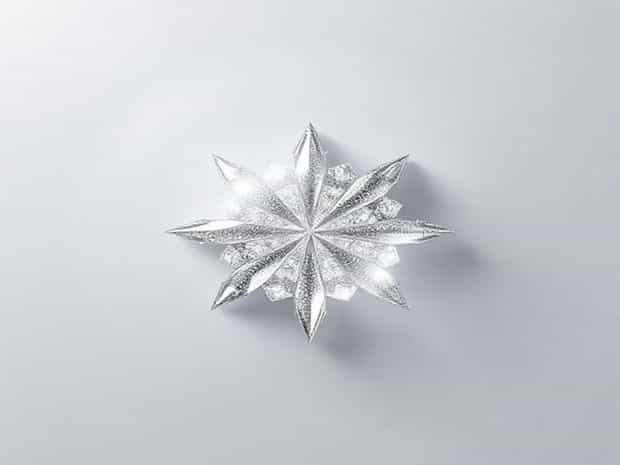
An Example Of Luster
When we observe minerals, gemstones, or even everyday objects, one of the first qualities that stands out is how their surface reflects light. This property, known as luster, helps in identifying and classifying minerals while also giving objects their unique beauty. An example of luster can be seen in a polished diamond, which shines brilliantly with an adamantine luster, or in a piece of quartz that glimmers with a glassy appearance. Understanding luster not only reveals more about the physical characteristics of materials but also connects science with the appreciation of natural beauty.
Understanding Luster in Minerals
Luster is the way light interacts with the surface of a mineral or material. It describes how bright or dull an object looks, whether it sparkles, shines, or simply reflects light in a muted way. Luster is an essential property used by geologists to identify minerals in the field and in laboratories. While color and hardness are often noticed first, luster provides unique clues that can distinguish one mineral from another.
Different types of luster can range from metallic and glassy to silky or dull, depending on how the mineral’s surface scatters or reflects light. For instance, a shiny piece of gold demonstrates metallic luster, while mica reflects light in thin sheets with a pearly luster.
An Example of Metallic Luster
One of the most recognizable examples of luster is metallic luster. This type of luster is seen in minerals like pyrite, hematite, and native copper. A piece of pyrite, often called fool’s gold, shines with a bright, reflective metallic luster that makes it easy to mistake for real gold. The surface reflects light in the same way as polished metal, creating a strong, mirror-like glow.
Metallic luster is important in geology and mining because it often indicates the presence of valuable ore minerals. Observing a shiny, metallic surface can immediately suggest that the mineral contains metal elements, making it significant for industrial uses.
Vitreous Luster as an Example
Another common example of luster is vitreous, also known as glassy luster. This is found in minerals such as quartz, beryl, and tourmaline. A piece of clear quartz, for example, reflects light in a way similar to glass, appearing bright and slightly glossy. This vitreous luster is what makes quartz so attractive when used in jewelry and decorative objects.
Because quartz is abundant and widely distributed, vitreous luster is one of the most common types observed by students and collectors. It highlights how minerals can reflect light beautifully even without being metallic.
Pearly Luster and Its Example
Pearly luster appears when a mineral’s surface reflects light in a way that resembles the inside of a seashell or natural pearl. An example of luster with a pearly appearance can be found in minerals like talc and muscovite mica. When light strikes these minerals, the reflection seems soft and layered, producing a delicate glow.
This type of luster is often associated with sheet minerals, where light reflects off parallel layers. Pearly luster gives certain minerals an elegant look, making them appealing for collectors and ornamental purposes.
Silky Luster in Minerals
Silky luster is another interesting example, occurring when light interacts with fibers in a mineral. An excellent example is asbestos, which shows silky reflections due to its fibrous structure. Satin spar, a variety of gypsum, also demonstrates this effect with its smooth, glowing appearance.
Silky luster is unique because it does not come from a smooth surface but from many fine fibers reflecting light together. This creates the impression of silk threads shining under illumination, hence the name.
Resinous Luster Example
Resinous luster resembles the appearance of resin or amber. A classic example is sphalerite, which often glows with a yellow to brown resin-like shine. Amber itself, although not a mineral but fossilized tree resin, is the most familiar example of resinous luster, admired for its warm glow and historical use in ornaments.
This type of luster shows how natural materials can mimic the look of organic substances, creating visual effects that attract human attention for both practical and aesthetic purposes.
Dull and Earthy Luster Example
Not all minerals sparkle or shine. Some display dull or earthy luster, meaning they reflect very little light and appear matte. Examples include kaolinite and bauxite. A piece of clay or chalk, for instance, has an earthy luster that gives it a plain, soft appearance. While less eye-catching, earthy luster is important for identifying certain minerals in the field.
These dull surfaces remind us that not all luster is about brilliance, and sometimes a lack of shine is just as distinctive as a sparkling glow.
Adamantine Luster Example
One of the most admired examples of luster is adamantine luster, found in diamonds. Diamonds reflect light with extraordinary brilliance, creating the dazzling sparkle that makes them so valuable. Zircon is another mineral with adamantine luster, though it is less famous than diamonds.
The intense shine of adamantine luster comes from the mineral’s high refractive index, which bends and reflects light in multiple directions. This scientific property explains why diamonds are considered symbols of brilliance and strength.
Importance of Luster in Mineral Identification
Luster is one of the key diagnostic properties used to identify minerals. Geologists combine observations of luster with hardness, color, streak, and crystal form to distinguish one mineral from another. Because luster can be seen easily with the naked eye, it provides a quick and practical clue during fieldwork.
Examples of luster, whether metallic, vitreous, pearly, or dull, guide mineralogists toward accurate classification. This makes luster not just a decorative quality but also a scientific tool.
Luster Beyond Minerals
While minerals provide the most classic examples of luster, the concept also applies to other materials. Metals, glass, ceramics, and even fabrics can be described in terms of their luster. The shine of polished silverware, the gloss of ceramic tiles, or the silkiness of fabric are all everyday examples of luster outside geology.
This shows that luster is not limited to scientific study but also plays a role in art, design, and daily life. Human fascination with how surfaces shine or glow has influenced jewelry making, architecture, and even fashion.
Factors Affecting Luster
Several factors influence how luster appears on a mineral’s surface
- Surface SmoothnessSmooth surfaces reflect light more directly, creating brighter luster.
- TransparencyTransparent minerals like quartz allow light to pass through, affecting how the surface shines.
- Crystal StructureThe arrangement of atoms and layers influences reflections, as seen in pearly luster.
- ImpuritiesTraces of other elements can dull or enhance the shine of a mineral.
These factors help explain why the same mineral type can sometimes show variations in luster depending on its condition and environment.
Educational Use of Luster Examples
In classrooms, showing students examples of luster helps them grasp abstract geological concepts. By comparing a metallic piece of pyrite with a glassy quartz or a dull piece of clay, learners see how light reflection changes across materials. This hands-on approach makes the study of minerals engaging and memorable.
Luster is therefore not only a scientific property but also a teaching tool that connects observation with understanding.
Conclusion on Examples of Luster
An example of luster can be as dazzling as a diamond’s adamantine glow or as simple as the matte surface of clay. From metallic pyrite to glassy quartz, pearly mica, silky asbestos, and resinous amber, luster showcases the variety of ways minerals interact with light. These examples highlight the scientific importance of luster in mineral identification while also reminding us of its aesthetic value in human culture. Whether in the glitter of jewelry or the shimmer of everyday objects, luster continues to capture attention and reveal the fascinating properties of the natural world.