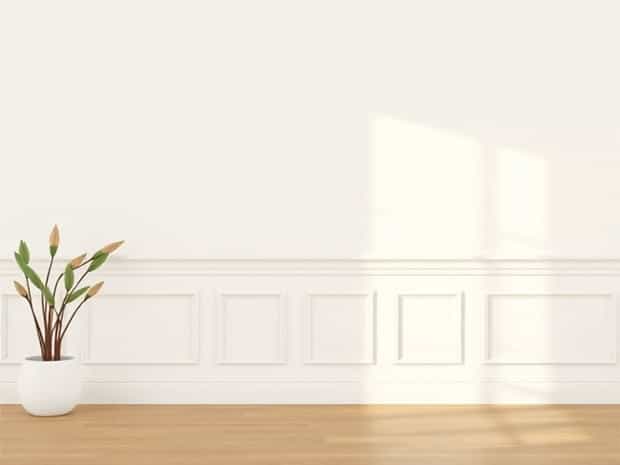
How Tall Is Wainscoting
Wainscoting is a classic design element that can transform the look and feel of any room, providing both elegance and functionality. Many homeowners and interior designers often wonder about the ideal height for wainscoting, as it significantly impacts the room’s overall proportions and visual appeal. The height of wainscoting can vary depending on the style, ceiling height, and intended effect, but understanding common guidelines and best practices can help you make an informed decision. Whether you are installing traditional wood panels, modern beadboard, or decorative MDF panels, choosing the right height is essential for creating a balanced, aesthetically pleasing space that complements your interior design while offering protection to walls from scuffs and wear.
Standard Heights for Wainscoting
One of the most frequently asked questions about wainscoting is how tall it should be. Standard heights typically range between 32 to 36 inches from the floor, which generally corresponds to chair rail height. This range is practical for protecting walls from furniture bumps, such as from chairs or sofas, while also providing a proportional look in most rooms with standard ceiling heights of 8 feet. For taller rooms, it may be appropriate to increase the height of the wainscoting to maintain visual balance, often extending up to 42 inches or even 48 inches in certain formal settings.
Factors Influencing Wainscoting Height
Several factors influence the appropriate height of wainscoting in a given space
- Ceiling HeightHigher ceilings may require taller wainscoting to maintain proportionality, while lower ceilings often call for shorter panels to avoid overwhelming the space.
- Room SizeIn smaller rooms, lower wainscoting can make the space feel more open, whereas taller panels in large rooms can add elegance and structure.
- Furniture PlacementConsider the height of chairs, tables, or other furniture that may come into contact with the wall. Wainscoting should protect these areas without cutting into the visual flow.
- Style and DesignTraditional styles often favor a height of 36 inches, while modern or contemporary designs may experiment with asymmetrical heights or full-wall coverage for dramatic effect.
Different Types of Wainscoting and Their Heights
The type of wainscoting you choose can also determine the ideal height. Popular styles include raised panel, flat panel, beadboard, and board-and-batten, each offering different aesthetic and functional characteristics.
Raised Panel Wainscoting
Raised panel wainscoting is a classic choice for formal rooms such as dining rooms or studies. The standard height for this style is typically 36 inches, aligning with the chair rail for a balanced and traditional look. For rooms with higher ceilings, panels may be extended up to 42 inches or more to create an imposing, elegant appearance.
Beadboard Wainscoting
Beadboard is a versatile and popular choice for kitchens, bathrooms, or casual living areas. It usually comes in pre-measured panels, and the standard installation height ranges from 32 to 36 inches. Beadboard can also be installed full-height for a cottage or farmhouse style, especially in smaller rooms or bathrooms where a cozy, vertical emphasis is desired.
Board-and-Batten Wainscoting
Board-and-batten wainscoting features vertical battens placed over a flat panel base and is often used for a modern, rustic, or transitional style. Standard heights are similar to traditional wainscoting, around 36 inches, but designers often experiment with taller panels that extend halfway up the wall or even to the ceiling for dramatic effect in entryways or living rooms.
Guidelines for Choosing Wainscoting Height
When deciding how tall your wainscoting should be, a few simple guidelines can help ensure a harmonious and functional result
- Measure the height of your walls and divide by two if aiming for a balanced, symmetrical look. This often works well in rooms with ceilings over 8 feet.
- Consider furniture height to ensure the wainscoting provides protection where it is needed most.
- Use visual references such as sample panels or painter’s tape to simulate potential heights on the wall before installation.
- Take into account door and window trim to ensure consistency in height and alignment for a polished appearance.
Visual Impact and Room Proportion
The height of wainscoting can dramatically affect the perceived proportions of a room. Lower panels create a subtle, understated effect, while taller wainscoting can make a space feel more formal and grounded. For rooms with particularly high ceilings, extending the wainscoting or using larger panels can help reduce the tall wall effect and make the room feel cozier. Conversely, shorter wainscoting in rooms with low ceilings prevents the panels from visually compressing the space.
Custom Heights and Creative Solutions
While standard heights are common, many homeowners and designers opt for custom solutions. For example, half-wall wainscoting can vary from 30 to 48 inches depending on design preference, room function, or historical style. Combining wainscoting with chair rails, molding, or wall painting techniques can enhance visual interest and adapt traditional guidelines to modern aesthetics. Additionally, floor-to-ceiling wainscoting can be employed in entryways, staircases, or accent walls to create a bold, architectural statement.
Installing Wainscoting at the Right Height
Proper installation is crucial for achieving a professional, visually pleasing result. Begin by measuring the wall height and marking the desired height for the top of the panels. Ensure level lines are drawn to maintain consistency across the room. When using pre-finished panels, check manufacturer guidelines for installation height, and consider the integration with baseboards, chair rails, and crown molding. Careful planning ensures that the wainscoting looks intentional rather than arbitrary and blends seamlessly with the overall design of the room.
Determining how tall wainscoting should be involves understanding standard measurements, room proportions, furniture placement, and personal style preferences. While 32 to 36 inches is a common range for traditional installations, custom heights may be appropriate for rooms with higher ceilings or unique design goals. Considering factors such as type of wainscoting, functional protection, and aesthetic impact ensures a harmonious and effective result. Whether you are aiming for a classic, formal look or a modern, casual style, choosing the right wainscoting height can elevate the overall design of your home while providing practical benefits and timeless visual appeal.