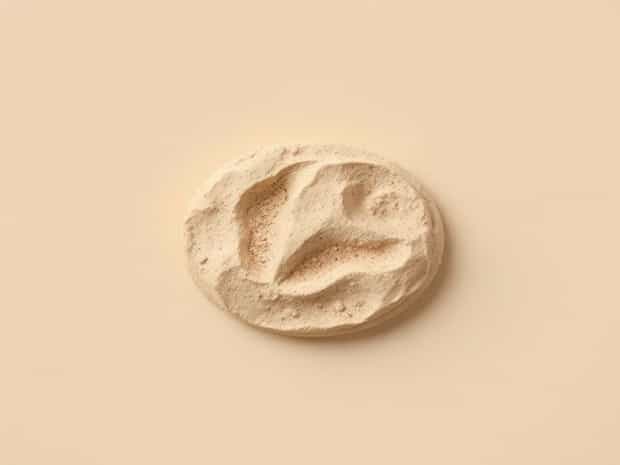
Geopolymer Stabilized Clayey Soil
Clayey soils are often considered problematic in construction projects due to their high plasticity, low strength, and susceptibility to swelling and shrinkage. These characteristics make them difficult to work with, especially in road construction, foundations, and embankments. To improve their engineering properties, soil stabilization techniques are commonly applied. In recent years, the use of geopolymer binders has gained attention as an effective and sustainable method for stabilizing clayey soils. Geopolymer stabilized clayey soil not only enhances strength and durability but also contributes to environmentally friendly construction practices by reducing reliance on traditional cement-based stabilizers.
Understanding Soil Stabilization
Soil stabilization refers to the process of improving soil properties to make it more suitable for construction. The main objectives include increasing bearing capacity, reducing plasticity, improving compressive strength, and minimizing water-related issues. Traditionally, lime and cement have been the most widely used stabilizers. However, these materials have significant environmental drawbacks due to high carbon emissions during production. As an alternative, geopolymer stabilization has emerged as a promising solution.
What are Geopolymers?
Geopolymers are inorganic binders created through the reaction of aluminosilicate materials with alkaline activators such as sodium hydroxide or sodium silicate. Common raw materials used in geopolymer production include fly ash, ground granulated blast furnace slag, and metakaolin. Unlike ordinary Portland cement, geopolymers are synthesized at low temperatures and have a much smaller carbon footprint. Their binding mechanism provides excellent strength, durability, and resistance to environmental factors, making them suitable for soil stabilization.
Why Clayey Soil Needs Stabilization
Clayey soils pose several challenges in civil engineering
- High PlasticityClayey soil changes volume significantly with moisture variations, causing cracks and instability.
- Low StrengthNatural clay has poor load-bearing capacity, making it unsuitable for heavy structures.
- Swelling and ShrinkageSeasonal moisture changes lead to differential settlement and damage to pavements and foundations.
- Poor WorkabilityClay soils can be sticky and difficult to compact effectively.
Stabilizing clayey soils with geopolymers helps overcome these limitations and makes them usable in a wide range of infrastructure projects.
Geopolymer Stabilization Process
The process of stabilizing clayey soil with geopolymers generally involves the following steps
- Selection of a suitable aluminosilicate source, such as fly ash or slag.
- Preparation of alkaline activators, typically sodium hydroxide and sodium silicate solutions.
- Mixing the geopolymer binder with clayey soil in predetermined proportions.
- Compaction of the stabilized soil to achieve desired density.
- Curing under ambient or controlled conditions to allow geopolymerization reactions to take place.
This process results in a hardened matrix where clay ptopics are bound together, reducing plasticity and enhancing strength.
Key Benefits of Geopolymer Stabilized Clayey Soil
Using geopolymers to stabilize clayey soils offers multiple advantages
- Improved StrengthGeopolymer binders significantly increase unconfined compressive strength and bearing capacity.
- Reduced PlasticityThe soil’s plasticity index decreases, making it less sensitive to water content changes.
- DurabilityStabilized soils show better resistance to erosion, freeze-thaw cycles, and chemical attack.
- SustainabilityBy utilizing industrial by-products like fly ash, geopolymer stabilization reduces waste and carbon emissions.
- Cost-EffectivenessAvailability of raw materials can make geopolymer stabilization more affordable in the long run compared to cement.
Comparison with Traditional Stabilizers
When compared to lime or cement stabilization, geopolymer stabilized clayey soil demonstrates superior performance in several aspects
- Strength DevelopmentGeopolymers achieve higher early strength than lime and comparable strength to cement.
- Environmental ImpactThe carbon footprint of geopolymers is significantly lower than that of Portland cement.
- DurabilityGeopolymers provide better resistance to chemical attack, particularly from sulfates, which commonly affect cement-treated soils.
- Moisture SensitivityStabilized clayey soils with geopolymers show reduced swelling and shrinkage compared to lime-treated soils.
Applications in Civil Engineering
Geopolymer stabilized clayey soils have been applied in various engineering projects, including
- Road ConstructionImproving the subgrade and base layers of highways and rural roads.
- FoundationsEnhancing soil bearing capacity for residential and commercial building foundations.
- EmbankmentsProviding stability for railway and highway embankments built on weak clay soils.
- LandfillsActing as liner materials due to reduced permeability and improved durability.
Factors Affecting Stabilization Performance
The effectiveness of geopolymer stabilized clayey soil depends on several factors
- Type of ClayHigh-plasticity clays may require higher binder content for effective stabilization.
- Source MaterialThe properties of fly ash, slag, or metakaolin influence the strength of the stabilized soil.
- Activator ConcentrationThe ratio and concentration of sodium hydroxide and sodium silicate are critical for geopolymerization.
- Mixing and CompactionProper blending and adequate compaction are essential for uniform strength distribution.
- Curing ConditionsAmbient curing may be sufficient, but controlled curing can accelerate strength gain.
Challenges in Geopolymer Stabilization
While geopolymer stabilization offers many advantages, some challenges remain
- Availability of consistent raw materials, such as fly ash, which may vary by region.
- Handling of alkaline activators requires safety precautions due to their caustic nature.
- Lack of standardized design codes and guidelines for widespread adoption.
- Initial costs can be higher compared to traditional methods, though long-term benefits often outweigh them.
Future Prospects
As sustainability becomes a greater priority in construction, geopolymer stabilized clayey soil is expected to gain wider acceptance. Ongoing research focuses on optimizing mix designs, developing safer activators, and creating performance-based standards. Integration with other eco-friendly techniques, such as bio-stabilization, may further enhance performance. With growing awareness, geopolymer technology has the potential to become a mainstream soil stabilization method in civil engineering.
Geopolymer stabilized clayey soil represents a significant advancement in soil stabilization technology. By leveraging industrial by-products and reducing carbon emissions, it provides a sustainable alternative to traditional stabilizers like lime and cement. The improved strength, durability, and reduced plasticity make it highly effective for applications in road construction, foundations, and embankments. Although challenges such as material availability and lack of design standards remain, the future of geopolymer stabilization looks promising. As the construction industry continues to prioritize green and efficient solutions, the use of geopolymers in clayey soil stabilization is likely to expand, contributing to more durable and sustainable infrastructure worldwide.
Word count ~1020