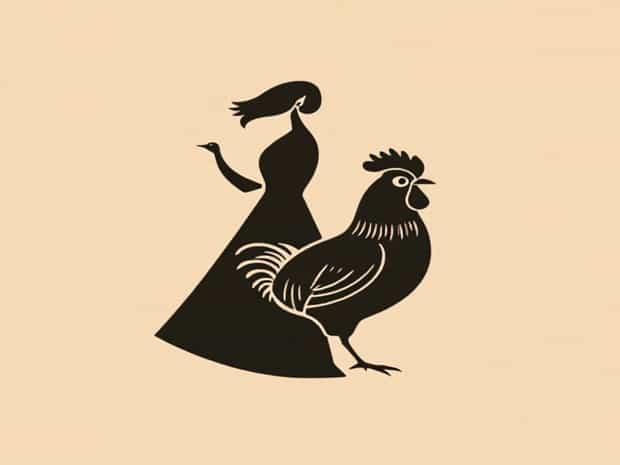
A Whistling Woman And A Crowing Hen
The saying a whistling woman and a crowing hen is a proverb that has been passed down through generations in various cultures. It is often used to convey societal attitudes and traditional beliefs regarding behavior, particularly when it comes to gender roles and expectations. Although the phrase might sound peculiar to modern ears, it has historical and cultural significance, reflecting the norms and perceptions of the time in which it originated. Understanding this proverb not only provides insight into linguistic expression but also offers a lens into cultural values and the evolution of societal expectations.
Origin and Meaning of the Proverb
The proverb a whistling woman and a crowing hen is commonly found in European and Middle Eastern folklore. Traditionally, it has been used to illustrate the idea that certain behaviors are considered inappropriate or unusual when performed by women. In this context, a whistling woman symbolizes a woman acting in a way that society deems improper or outside her expected role, while a crowing hen similarly represents a female stepping into a domain typically associated with males.
The core meaning of the proverb centers on the concept of societal norms and the discomfort or surprise caused when these norms are challenged. In essence, it reflects a warning or criticism against behavior that deviates from traditional gender expectations.
Historical Context
Historically, proverbs like this were part of a broader system of social guidance. In patriarchal societies, women were often expected to behave quietly and submissively, and deviation from these roles was seen as rebellious or improper. Proverbs served as concise ways to communicate collective wisdom, caution, or social rules.
For example, in medieval Europe, women whistling publicly might have been considered shocking because whistling was often associated with men giving signals or commands, particularly in work or military contexts. Similarly, a crowing hen could symbolize a woman attempting to take on authority or leadership roles, which were predominantly male domains.
Modern Interpretations
In contemporary society, the proverb can be interpreted in multiple ways, often depending on the perspective of the reader. Some view it as an outdated expression of gender bias, highlighting restrictive norms that no longer apply. Others see it as a metaphor for challenging the status quo, encouraging people to question traditional roles and expectations.
Modern interpretations often use the phrase humorously or ironically. For instance, it might describe a situation where someone is unexpectedly assertive or outspoken, turning the old proverb into a commentary on empowerment rather than restriction.
Symbolism in the Proverb
Examining the symbolism of the proverb helps illuminate its deeper meaning
- Whistling WomanRepresents speech, expression, and actions that break traditional expectations of quiet or passive behavior for women.
- Crowing HenSymbolizes taking initiative or authority in a domain typically reserved for males, challenging hierarchical norms.
- Societal ReactionBoth symbols reflect the surprise or disapproval that often accompanies deviation from established norms.
The proverb thus functions as a commentary on social conformity and the tensions that arise when individuals defy expected behaviors.
Applications in Literature and Culture
This proverb has appeared in literature, oral storytelling, and even art to illustrate social commentary. Writers have used it to critique rigid societal norms or to highlight the courage of women who defy expectations. For instance
- In literary works, characters described as a whistling woman may symbolize rebellion, independence, or nonconformity.
- In cultural discussions, the crowing hen may represent women stepping into leadership roles or challenging patriarchal authority.
Such usage underscores the enduring relevance of the proverb, even as societal values evolve.
Criticism and Controversy
While the proverb has historical significance, it has also faced criticism for perpetuating gender stereotypes. Critics argue that phrases like this reinforce outdated ideas about what behaviors are acceptable for women, subtly enforcing limitations on personal freedom and expression. As societies move toward gender equality, such proverbs are often revisited, reinterpreted, or discarded to align with modern values.
Nonetheless, understanding these sayings in context is important. They provide insight into historical attitudes and cultural norms, offering a basis for critical discussion and reflection on how far society has progressed regarding gender roles.
Using the Proverb Today
Today, the proverb a whistling woman and a crowing hen is often used metaphorically, sometimes humorously, to describe someone acting unexpectedly or boldly. In a positive light, it can celebrate assertiveness and independence, turning the original cautionary tone into a message of empowerment.
For instance, in a workplace scenario, a manager might jokingly refer to a colleague as a crowing hen when she confidently takes charge of a challenging project. In such cases, the proverb shifts from a critique of nonconformity to recognition of capability and initiative.
Lessons from the Proverb
Despite its historical gender bias, the proverb carries valuable lessons about social norms, perception, and the consequences of challenging expectations. Key takeaways include
- Awareness of societal expectations and how they shape behavior.
- The courage required to step outside conventional roles.
- The potential for language and proverbs to evolve in meaning over time.
By examining these lessons, readers can better appreciate the dynamic between tradition and modernity, learning how cultural expressions can both reflect and influence social change.
A whistling woman and a crowing hen is more than just a quirky phrase; it is a window into historical perspectives on gender and behavior. While originally a warning against deviation from societal norms, modern interpretations celebrate individuality, assertiveness, and the courage to challenge outdated expectations. Understanding the proverb involves recognizing its historical context, symbolic meaning, and potential contemporary applications. By exploring its origins and usage, we gain insight into both past social structures and ongoing conversations about gender, equality, and empowerment.
Final Thoughts
- Recognize the historical context before using or interpreting the proverb.
- Appreciate the symbolic significance of a whistling woman and a crowing hen.
- Apply the proverb metaphorically to celebrate empowerment and assertiveness in modern settings.
- Use it as a conversation starter about cultural evolution and changing gender norms.
In the end, this proverb demonstrates how language, culture, and societal expectations are intertwined, offering timeless lessons for understanding human behavior and social change.