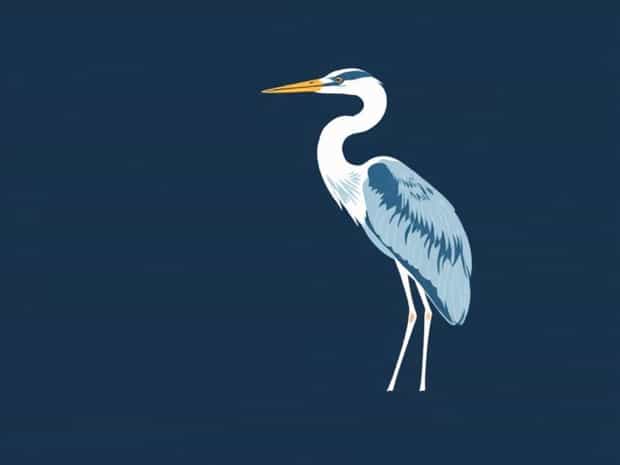
Fun Facts About The Great Blue Heron
The Great Blue Heron is one of the most fascinating birds in North America, admired not only for its elegant appearance but also for its intriguing behavior and adaptability. This tall, long-legged bird can often be seen standing motionless by lakes, rivers, or marshes, waiting patiently for the perfect moment to strike its prey. With their striking blue-gray feathers, impressive wingspan, and mysterious habits, Great Blue Herons have inspired countless birdwatchers, photographers, and nature enthusiasts. Learning fun facts about the Great Blue Heron not only makes us appreciate its beauty but also helps us understand how this remarkable bird survives and thrives in the wild.
Appearance and Size
One of the most recognizable aspects of the Great Blue Heron is its majestic size. Standing at about four feet tall, it is among the largest herons found in North America. Its wingspan can stretch to nearly six and a half feet, making it an impressive sight in flight. The bird’s feathers are mainly bluish-gray, giving it its iconic name, though up close one can also spot touches of white, black, and rust tones. Its long neck, sharp bill, and slender body make it perfectly designed for both beauty and efficiency when hunting.
Unique Features
- Height About 3.5 to 4.5 feet tall.
- Wingspan Between 5.5 and 6.6 feet.
- Bill Long, dagger-like, and powerful for catching prey.
- Legs Thin but very strong, ideal for wading through shallow waters.
Habitat and Range
The Great Blue Heron can be found across most of North America. It is highly adaptable and can live in both freshwater and saltwater environments. From quiet inland ponds and marshes to coastal shorelines, the bird thrives wherever fish and small aquatic animals are abundant. During winter, many migrate to warmer areas, including Central and South America, but some populations remain year-round in milder climates.
Nesting Habits
Great Blue Herons are known to build their nests high up in trees, often near water. These nests are large, messy platforms made of sticks, and they may be reused and expanded year after year. Interestingly, they often nest in colonies called rookeries, where dozens or even hundreds of pairs may gather together.
Diet and Hunting Behavior
The Great Blue Heron is a patient hunter. It often stands still like a statue, waiting for the perfect moment to spear its prey with lightning speed. Its diet is diverse and includes fish, frogs, insects, reptiles, and even small mammals. With such a wide menu, this bird has adapted well to different environments, ensuring its survival in various regions.
Hunting Technique
- Stands motionless or moves slowly to avoid alarming prey.
- Uses its sharp bill like a spear to catch fish or frogs.
- Can swallow surprisingly large prey, often whole.
Behavior and Communication
Despite their solitary hunting style, Great Blue Herons are social when it comes to nesting. They often gather in colonies during breeding season, creating a noisy and busy atmosphere. These birds communicate with harsh squawks and croaking calls, especially when alarmed or protecting their nests. While in flight, they tuck their neck into an S-shape, a distinctive posture that helps birdwatchers identify them from a distance.
Fun Behavior Facts
- They can fly up to 30 miles per hour despite their large size.
- They prefer to hunt alone but gather in large groups for nesting.
- Their calls are loud and raspy, often surprising for such a graceful-looking bird.
Breeding and Lifespan
During breeding season, Great Blue Herons perform courtship displays involving elaborate movements and calls. Males bring sticks to females as part of pair bonding, and together they construct large nests. A typical clutch contains three to six pale blue eggs. Both parents take turns incubating the eggs and feeding the chicks once they hatch. In the wild, a Great Blue Heron can live up to 15 years, though many face challenges such as predators and harsh conditions.
Adaptability and Survival
One of the most interesting fun facts about the Great Blue Heron is its adaptability. Unlike some bird species that rely on very specific environments, the heron thrives in a wide variety of habitats. It can survive in city parks, suburban ponds, or remote wetlands. Its ability to eat different types of prey and adjust to new surroundings makes it one of the most resilient wading birds.
Predators and Threats
While adult Great Blue Herons face few natural predators, their eggs and chicks are often targeted by raccoons, crows, and eagles. Human activity, habitat destruction, and pollution can also pose threats to their survival. Fortunately, conservation efforts and awareness have helped maintain stable populations across much of their range.
Interesting Fun Facts About the Great Blue Heron
- They can hunt both day and night thanks to excellent vision.
- Unlike many birds, they are comfortable in saltwater as well as freshwater.
- They often stand motionless for long periods, blending in with their surroundings.
- Their long neck is equipped with specialized vertebrae that allow for quick strikes.
- Great Blue Herons are skilled fliers, gliding gracefully with slow wingbeats.
Cultural Significance
Throughout history, the Great Blue Heron has been admired in art, folklore, and symbolism. Many cultures view the bird as a symbol of patience, wisdom, and strength because of its hunting style and solitary nature. Native American traditions often considered the heron a sign of good luck, resilience, and determination.
Why People Love the Great Blue Heron
From birdwatchers to casual observers, people are fascinated by the Great Blue Heron. Its elegant flight, statuesque hunting stance, and mysterious calls make it a captivating sight in nature. For wildlife photographers, it offers endless opportunities for stunning images, while for conservationists, it represents the importance of protecting wetlands and natural habitats.
The Great Blue Heron is more than just a large bird by the water it is a symbol of patience, adaptability, and resilience. Its unique size, hunting skills, and cultural importance make it one of the most admired birds in North America. By learning fun facts about the Great Blue Heron, we gain a deeper appreciation for its role in ecosystems and the need to preserve the environments it depends on. Whether seen standing quietly in a marsh or soaring overhead with powerful wings, the Great Blue Heron continues to inspire wonder and respect.