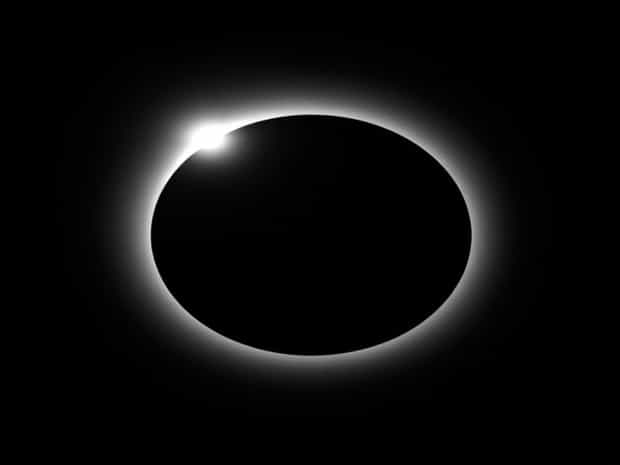
A Solar Eclipse Is Happening
A solar eclipse is happening, and with it comes one of the most extraordinary natural events that capture human curiosity and wonder. People around the world gather to watch the moment when the Moon passes between the Earth and the Sun, casting shadows and creating an awe-inspiring celestial display. For centuries, solar eclipses have fascinated scientists, inspired myths, and drawn millions of skywatchers eager to witness the breathtaking alignment. Understanding how a solar eclipse occurs, the types that exist, and the ways to safely observe it helps us appreciate the science and beauty behind this rare event.
What Happens During a Solar Eclipse
A solar eclipse occurs when the Moon moves directly between the Earth and the Sun, blocking some or all of the Sun’s light. This phenomenon is only possible during a new moon, when the Moon is positioned perfectly in its orbit. The alignment must be precise, as the Moon’s shadow has to fall on Earth’s surface for an eclipse to be visible.
The Shadow of the Moon
The Moon casts two distinct shadows during an eclipse the umbra and the penumbra. The umbra is the central, darkest part where the Sun is completely blocked. People standing in this shadow see a total solar eclipse. The penumbra is the lighter outer shadow, where only part of the Sun is obscured, resulting in a partial eclipse. This shadow play is what creates the dramatic variations in how we experience a solar eclipse from different locations.
Types of Solar Eclipses
Not all solar eclipses look the same. Depending on the distance of the Moon from the Earth and the observer’s location, different types of solar eclipses occur. Each type offers its own unique experience and visual effect.
Total Solar Eclipse
During a total solar eclipse, the Moon completely covers the Sun, plunging the day into temporary darkness. The sky often resembles twilight, stars may become visible, and the Sun’s outer atmosphere, known as the corona, is revealed. This is the most dramatic type of eclipse and often draws huge crowds of spectators.
Partial Solar Eclipse
In a partial solar eclipse, the Moon covers only part of the Sun’s disk. The Sun appears as if a bite has been taken out of it. While less dramatic than a total eclipse, partial eclipses are far more common and can be observed over larger areas.
Annular Solar Eclipse
An annular eclipse occurs when the Moon is too far from Earth to completely cover the Sun. Instead, the Sun appears as a bright ring, often called the ring of fire, surrounding the dark silhouette of the Moon. This happens because the apparent size of the Moon is smaller than the Sun’s disk at that distance.
Hybrid Solar Eclipse
A hybrid eclipse is rare and shifts between a total and annular eclipse depending on the observer’s location along the eclipse path. At some points, the Moon completely covers the Sun, while at others, a ring of sunlight remains visible.
The Science Behind Solar Eclipses
The occurrence of a solar eclipse is based on orbital mechanics. The Moon’s orbit around Earth is tilted slightly compared to Earth’s orbit around the Sun. This means eclipses don’t happen every month. They occur only when the new moon aligns precisely with the Sun and Earth along points known as the lunar nodes. These alignments create eclipse seasons, which happen roughly twice a year.
Historical and Cultural Significance
Throughout history, solar eclipses have been seen as mysterious and even ominous events. Ancient civilizations often interpreted them as signs from the gods, warnings, or moments of transformation. In China, legends described dragons devouring the Sun, while in Norse mythology, wolves were said to chase and swallow it. Over time, scientific understanding replaced these myths, but the sense of wonder remains.
How to Safely View a Solar Eclipse
One of the most important aspects of observing a solar eclipse is safety. Looking directly at the Sun, even when partially covered, can cause permanent eye damage. Therefore, proper protective methods are crucial.
Safe Viewing Methods
- Use eclipse glasses that meet international safety standards.
- Look through handheld solar viewers designed specifically for eclipse watching.
- Create a pinhole projector to indirectly view the eclipse’s progress.
- Use a telescope or binoculars fitted with certified solar filters.
What to Avoid
- Never use regular sunglasses, no matter how dark they appear.
- Avoid looking at the Sun through unfiltered cameras, telescopes, or binoculars.
- Do not attempt to view with improvised materials like CDs, DVDs, or smoked glass.
What to Expect During a Solar Eclipse
When a solar eclipse is happening, the experience goes far beyond the sky. The atmosphere around you changes in noticeable ways. Birds may grow quiet, temperatures may drop, and the environment takes on an eerie stillness. These subtle but powerful shifts heighten the dramatic nature of the event, making it unforgettable.
Solar Eclipses and Scientific Discoveries
Solar eclipses have played a crucial role in advancing science. For example, during the total solar eclipse of 1919, scientists observed the bending of starlight around the Sun, providing key evidence for Albert Einstein’s theory of general relativity. Modern eclipses continue to provide opportunities for studying the Sun’s corona and other solar phenomena.
Why Solar Eclipses Matter
Beyond their beauty, solar eclipses remind us of the precision of the universe. They demonstrate the delicate balance of celestial mechanics and our small but connected place within it. For many, witnessing an eclipse is a spiritual experience, while for others, it’s a chance to deepen their understanding of astronomy.
How Often Do Solar Eclipses Occur
On average, there are between two and five solar eclipses worldwide each year. However, any specific location on Earth may only experience a total solar eclipse once every few centuries. This rarity makes them treasured experiences for those fortunate enough to witness them.
Preparing for a Solar Eclipse
If a solar eclipse is happening near you, preparation is essential. Planning your viewing location, securing safe viewing gear, and understanding the phases of the eclipse will help you get the most out of the event. Many enthusiasts travel great distances to witness totality, highlighting just how meaningful the experience can be.
A solar eclipse is happening, and with it comes a reminder of the extraordinary wonders of our universe. From the scientific explanations to the cultural myths, eclipses bridge the gap between knowledge and awe. Whether it’s a total eclipse casting shadows across the land or an annular eclipse displaying a fiery ring, each event carries its own magic. By observing safely and appreciating the natural beauty of this cosmic alignment, people across the world can share in a moment of connection to the vastness of space and the rhythms of our solar system.