A Celebration Of Hanukkah
Hanukkah, also known as the Festival of Lights, is a significant Jewish holiday celebrated over eight days and nights, usually in late November or December. This joyous occasion commemorates the rededication of the Second Temple in Jerusalem after its desecration by the Seleucid Empire. Beyond its historical and religious significance, Hanukkah has become a time for families and communities to gather, celebrate traditions, and reflect on the importance of faith, resilience, and cultural heritage. The celebration is marked by lighting the menorah, playing games, exchanging gifts, and enjoying traditional foods, creating an atmosphere of warmth and togetherness that resonates with both young and old.
The Historical Significance of Hanukkah
The origins of Hanukkah trace back over two thousand years to a period of conflict and oppression for the Jewish people. The Maccabean Revolt was led by Judah Maccabee and his brothers, who fought against the Seleucid forces attempting to impose Hellenistic culture and suppress Jewish religious practices. Upon reclaiming the Temple in Jerusalem, the Jewish people found only a small amount of consecrated oil, enough to light the menorah for one day. Miraculously, the oil burned for eight days, allowing time to prepare more sacred oil. This miracle is central to the celebration of Hanukkah and symbolizes perseverance, faith, and hope in the face of adversity.
The Menorah Symbol of Light and Faith
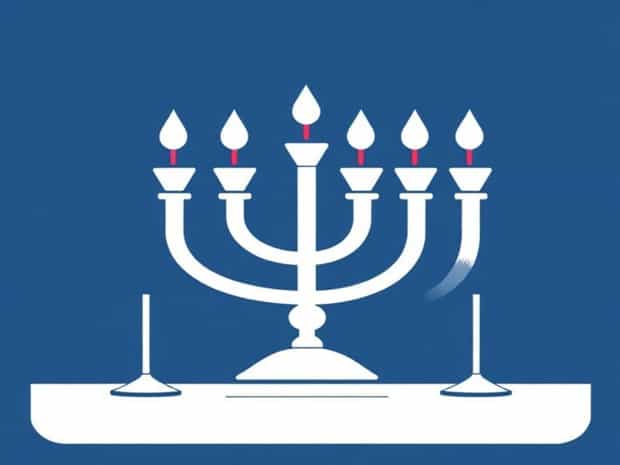
The menorah, a nine-branched candelabrum, is the most recognized symbol of Hanukkah. Eight of its branches represent the eight days of the festival, while the ninth, called the shamash or helper candle, is used to light the others. Each night, families light one additional candle, reciting blessings and prayers that honor the miracle of the oil. The menorah serves as a reminder of the enduring power of light over darkness, both literally and metaphorically, emphasizing the importance of faith, hope, and spiritual resilience.
Traditional Foods and Culinary Customs
Food plays an important role in Hanukkah celebrations, with dishes often prepared using oil to commemorate the miraculous oil in the Temple. Latkes, or potato pancakes, are a popular treat enjoyed with applesauce or sour cream. Sufganiyot, jelly-filled donuts fried in oil, are another traditional delight. These foods not only carry symbolic meaning but also create a sense of nostalgia and familial connection. Families often gather in kitchens to prepare these dishes together, enhancing the festive atmosphere and passing culinary traditions from one generation to the next.
Other Popular Dishes
- Brisket, a slow-cooked beef dish, often served as a main course during Hanukkah dinners.
- Rugelach, a sweet pastry filled with chocolate, nuts, or fruit preserves.
- Cheese dishes, recalling the story of Judith, who is said to have saved her town with courage and cleverness.
Games and Festive Activities
Playing games is a cherished aspect of Hanukkah celebrations, providing entertainment and an opportunity to connect with family and friends. The dreidel, a four-sided spinning top, is central to these festivities. Each side of the dreidel bears a Hebrew letter representing the phrase A great miracle happened there, serving as a reminder of Hanukkah’s miraculous origins. Players use small coins, chocolate gelt, or other tokens to play, combining fun with tradition. This simple yet engaging game teaches children about the holiday’s history while creating joyful memories that last a lifetime.
Modern Traditions and Gift Giving
In addition to traditional activities, modern Hanukkah celebrations often include the exchange of gifts, particularly for children. Small presents may be given each night of the festival, encouraging a sense of anticipation and excitement. Many families also participate in community events, attend public menorah lightings, and engage in charitable giving. These practices reflect both contemporary and historical values, emphasizing generosity, community, and the importance of celebrating cultural heritage in meaningful ways.
Hanukkah and Community Celebrations
Beyond the home, Hanukkah is celebrated in synagogues, community centers, and public spaces, fostering a sense of unity and shared identity. Large menorahs are often displayed in prominent locations, accompanied by music, traditional foods, and educational programs. These communal celebrations help strengthen cultural pride, educate younger generations, and create an inclusive atmosphere where both Jewish and non-Jewish participants can appreciate the significance of the holiday. Community events also often feature storytelling, highlighting historical accounts and personal experiences that connect the past with the present.
Music and Cultural Expressions
- Hanukkah songs, such as Maoz Tzur and contemporary melodies, add festive cheer.
- Storytelling and reenactments of the Maccabean revolt provide educational and cultural enrichment.
- Artistic expressions, including menorah decorating and Hanukkah-themed crafts, engage children and adults alike.
Reflections and Spiritual Significance
Hanukkah is not only a time for celebration but also a period for reflection on spiritual values and the enduring strength of the Jewish faith. Lighting the menorah each night offers a moment of contemplation, encouraging individuals to consider the importance of courage, perseverance, and community. The holiday serves as a reminder that even in times of adversity, hope and faith can prevail. By sharing stories, prayers, and rituals, families and communities reinforce their connection to history and tradition, ensuring that the lessons and values of Hanukkah endure across generations.
Lessons from Hanukkah
- Resilience in the face of challenges.
- The power of faith and hope to overcome adversity.
- Importance of family, community, and cultural traditions.
- Celebrating light, joy, and the miracles in everyday life.
Hanukkah is a vibrant celebration that combines history, faith, tradition, and joy. From the lighting of the menorah and the preparation of traditional foods to playing games and exchanging gifts, each aspect of the festival carries rich meaning and significance. The holiday encourages reflection on spiritual values, the power of resilience, and the importance of community connections. Celebrating Hanukkah is both a remembrance of historical events and a living tradition, ensuring that its lessons of hope, light, and perseverance continue to inspire people of all ages. Whether experienced in a family home, a community gathering, or a public event, Hanukkah remains a cherished and meaningful festival that brings warmth, joy, and togetherness during the darkest days of winter.