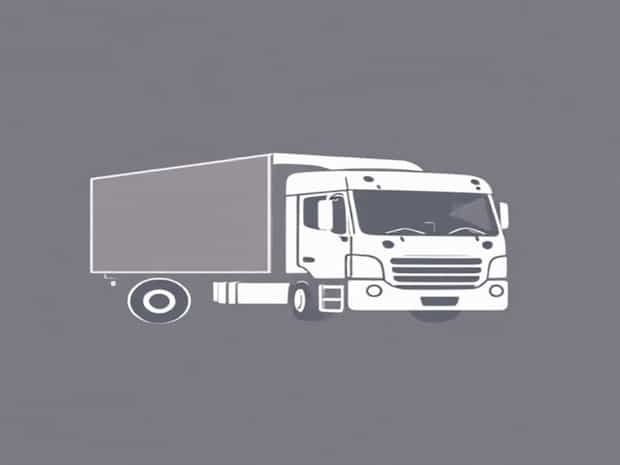
What Is A Lorry Truck
A lorry truck, often simply called a lorry in British English and a truck in American English, is a large motor vehicle designed primarily for transporting goods, materials, or heavy loads from one location to another. These vehicles play a crucial role in logistics, supply chain management, and the transportation industry as a whole. Lorry trucks vary in size, design, and capacity, ranging from small delivery lorries for urban use to massive articulated lorries capable of hauling significant freight across long distances. Understanding what a lorry truck is, its types, functions, and regulations is essential for businesses, drivers, and anyone interested in the transport sector.
Definition and Purpose of a Lorry Truck
A lorry truck is defined as a motorized vehicle used primarily for carrying goods rather than passengers. Unlike cars, which focus on personal transportation, lorry trucks are engineered for durability, load capacity, and stability to transport heavy or bulky items safely. The purpose of lorry trucks extends across various industries including construction, retail, manufacturing, and agriculture. These vehicles facilitate the movement of raw materials, finished products, and essential supplies, making them indispensable for modern economies.
Key Characteristics of Lorry Trucks
- Load CapacityLorry trucks are designed to carry large amounts of cargo, ranging from a few tons in small delivery lorries to dozens of tons in heavy-duty models.
- Engine PowerThese vehicles are equipped with powerful engines capable of handling heavy loads and long-distance travel.
- DurabilityLorry trucks are built with robust frames and reinforced suspensions to withstand continuous use and harsh conditions.
- Variety of DesignsDepending on the function, lorry trucks may have flatbeds, box containers, tankers, or specialized trailers.
Types of Lorry Trucks
Light Lorries
Light lorries are small trucks typically used for urban deliveries and short-distance transportation. They are easier to maneuver in congested city streets and often have a load capacity of up to 3.5 tons. Light lorries are commonly used by delivery services, small businesses, and courier companies for transporting parcels, groceries, or equipment.
Medium Lorries
Medium lorries are larger than light lorries and are designed to handle heavier loads, usually between 3.5 to 12 tons. These trucks are frequently used in regional transport, construction projects, and industrial deliveries. They strike a balance between load capacity and mobility, making them versatile for various commercial purposes.
Heavy-Duty Lorries
Heavy-duty lorries, often referred to as articulated lorries or semi-trailers, are capable of transporting very large or heavy cargo, sometimes exceeding 40 tons. These lorries typically consist of a tractor unit connected to a trailer and are used for long-distance freight transport. They are crucial in industries like manufacturing, mining, and logistics for moving bulk goods efficiently.
Specialized Lorries
Some lorry trucks are designed for specific purposes, including
- Tanker LorriesFor transporting liquids such as fuel, water, or chemicals.
- Refrigerated LorriesEquipped with cooling systems to transport perishable goods like food and pharmaceuticals.
- Flatbed LorriesUsed for carrying oversized or irregularly shaped cargo such as construction materials or machinery.
- Dump LorriesDesigned for carrying loose materials like sand, gravel, or waste, with tilting beds for easy unloading.
Functions and Importance of Lorry Trucks
Lorry trucks serve a variety of essential functions in modern society. They are the backbone of supply chains, enabling the timely movement of goods from manufacturers to consumers, wholesalers, and retailers. In construction, lorry trucks transport building materials, machinery, and equipment to sites, facilitating project completion. In agriculture, they deliver produce from farms to markets or processing plants. Beyond economic functions, lorry trucks are vital in disaster relief, delivering emergency supplies and aid to affected areas quickly and efficiently.
Economic Significance
The logistics and transportation industry heavily depends on lorry trucks to maintain efficient distribution networks. Without these vehicles, goods would move slower, costs would increase, and supply chains could face disruptions. Lorry trucks enable businesses to meet consumer demand, reduce storage costs, and support just-in-time delivery models, thereby contributing significantly to the overall economy.
Safety and Regulation
Lorry trucks are subject to strict safety and regulatory standards due to their size, weight, and potential risks on the road. Regulations cover aspects such as
- Weight LimitsMaximum permissible weight ensures roads and bridges are not damaged and vehicles remain controllable.
- Driver LicensingCommercial driver’s licenses are required for operating medium and heavy-duty lorries.
- Vehicle InspectionsRoutine checks ensure that brakes, lights, tires, and engines are functioning safely.
- Load SecuringProper loading and securing of cargo prevents accidents caused by shifting or falling items.
- Emission StandardsMany countries enforce emission controls to reduce air pollution from large diesel engines.
Future Trends in Lorry Trucks
The lorry truck industry is evolving with advancements in technology, automation, and sustainability. Electric lorries and hybrid models are gaining popularity to reduce carbon emissions and fuel costs. Autonomous lorry trucks, equipped with advanced sensors and AI technology, are being tested for long-haul freight, promising increased efficiency and safety. Additionally, telematics and GPS systems allow for better route planning, load management, and real-time monitoring, enhancing overall logistics performance.
A lorry truck is a vital vehicle designed to transport goods, materials, and heavy loads across distances, serving as a cornerstone of modern logistics and commerce. With various types, including light, medium, heavy-duty, and specialized trucks, lorry trucks cater to a wide range of industries and applications. Their functions extend beyond mere transportation, influencing economic growth, supply chain efficiency, and disaster response. Understanding lorry trucks, their types, functions, and regulations provides insight into how these vehicles support everyday life and global trade, while also highlighting the importance of innovation and safety in the transport sector.