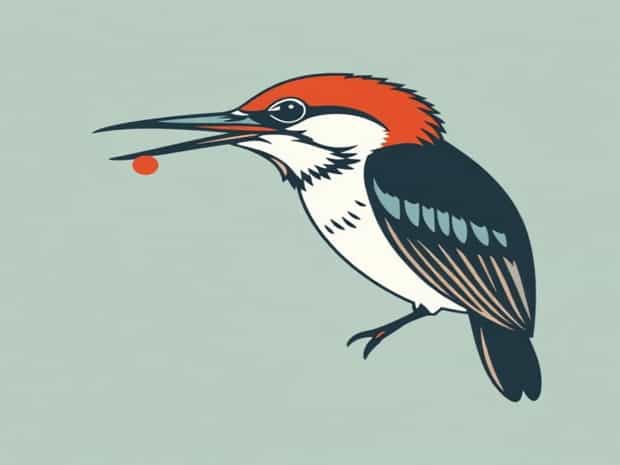
Fish Eating Bird Of Prey
Birds of prey have long fascinated humans with their sharp talons, keen eyesight, and hunting prowess. Among these raptors, a specialized group has evolved to hunt and consume fish, demonstrating remarkable adaptations that allow them to thrive in aquatic environments. Fish-eating birds of prey play a crucial role in their ecosystems by controlling fish populations, contributing to the balance of aquatic life, and providing insight into the interconnectedness of terrestrial and aquatic habitats. Understanding these birds involves exploring their species, hunting techniques, habitats, and ecological importance, as well as the challenges they face in the modern world.
Common Fish-Eating Birds of Prey
Several bird species have developed a diet primarily consisting of fish, with unique physical and behavioral adaptations that make them efficient hunters. Among the most well-known fish-eating raptors are ospreys, bald eagles, and certain species of hawks and kites. Each of these birds exhibits distinctive hunting methods and physical traits that enable them to catch fish successfully.
Ospreys
The osprey, often referred to as the fish hawk,” is perhaps the most specialized fish-eating bird of prey. With a wingspan of approximately five to six feet, ospreys are uniquely adapted for fishing. Their reversible outer toes allow them to grasp slippery fish with two toes in front and two behind, providing a secure hold. Ospreys also have barbed pads on their feet to prevent fish from slipping during flight. These birds primarily hunt in freshwater lakes, rivers, and coastal waters, diving feet-first to snatch fish near the water’s surface.
Bald Eagles
Bald eagles are another iconic fish-eating raptor, particularly prevalent in North America. While they have a more varied diet than ospreys, fish constitute a significant portion of their food, especially in regions with abundant water bodies. Bald eagles often hunt by swooping down and grabbing fish near the surface or scavenging from other birds. Their powerful talons and strong beaks allow them to handle large fish, making them apex predators in their habitats.
Other Raptors
In addition to ospreys and bald eagles, several hawks, kites, and even some falcon species incorporate fish into their diet. For instance, the Brahminy kite, found in South and Southeast Asia, frequently hunts fish along coastlines and estuaries. Similarly, the African fish eagle relies on its sharp eyesight and agile flight to capture fish in lakes and rivers across the continent. These birds often demonstrate behavioral flexibility, hunting fish during specific times of the day or seasons when fish are abundant.
Hunting Techniques
Fish-eating birds of prey exhibit remarkable hunting techniques, showcasing evolutionary adaptations that maximize their efficiency. These techniques are influenced by the bird’s size, wing shape, habitat, and sensory capabilities.
Hovering and Diving
Ospreys and certain hawks use a hovering technique to locate fish below the water’s surface. By hovering in mid-air, these birds can accurately judge the depth and position of their prey. Once a fish is spotted, they perform a rapid, feet-first dive, often plunging several feet into the water to secure their catch. This method requires precise coordination and excellent visual acuity, as water can distort the perceived location of fish.
Swooping and Snatching
Bald eagles and kites often use a swooping technique to capture fish near the water’s surface. Flying high above a lake or river, these birds spot fish with their keen eyesight, then descend rapidly to snatch the prey with their talons. Some eagles are known to steal fish from other birds mid-flight, a behavior known as kleptoparasitism, highlighting their opportunistic feeding strategies.
Adaptations for Aquatic Hunting
Fish-eating raptors exhibit specialized adaptations to improve their hunting success. Sharp, curved talons enable them to grasp slippery fish securely, while strong, hooked beaks help tear apart their prey. Waterproof feathers and dense plumage assist in minimizing water exposure during dives. Some species, like ospreys, have salt glands near their eyes to excrete excess salt when hunting in marine environments, demonstrating the integration of physiological adaptations for aquatic hunting.
Habitats and Distribution
Fish-eating birds of prey are typically associated with aquatic habitats, including rivers, lakes, estuaries, coastal shores, and wetlands. Their distribution depends on the availability of fish, nesting sites, and climate. For example, ospreys are widely distributed across North America, Europe, Asia, and Australia, often near freshwater lakes and rivers. Bald eagles are most common in North America, particularly near large bodies of water with abundant fish populations. Habitat selection is critical for these birds, as access to food sources directly affects their reproductive success and survival.
Seasonal Movements
Many fish-eating birds of prey undertake seasonal migrations to follow fish populations and optimal breeding conditions. Ospreys, for instance, migrate between North America and South America, covering thousands of miles annually. Bald eagles in northern regions may move southward during winter when water bodies freeze and fish become less accessible. These migrations highlight the ecological interdependence of fish and their avian predators, as well as the birds’ remarkable navigational skills.
Ecological Importance
Fish-eating birds of prey play a crucial role in maintaining the balance of aquatic ecosystems. By preying on fish, they help regulate fish populations, preventing overpopulation and promoting biodiversity. Their hunting behavior can also influence the distribution and behavior of fish, contributing to the dynamic equilibrium of aquatic habitats. Furthermore, these birds serve as indicators of environmental health, as declining populations may signal pollution, overfishing, or habitat destruction.
Conservation Challenges
Despite their ecological importance, fish-eating birds of prey face numerous threats. Habitat loss due to deforestation, wetland drainage, and urbanization reduces nesting sites and hunting grounds. Pollution, including chemical contaminants and plastic waste, can impact fish populations and, consequently, the birds that depend on them. Climate change also alters water levels and fish availability, affecting migratory patterns and breeding success. Conservation efforts, including habitat protection, pollution control, and public awareness campaigns, are essential to ensure the survival of these remarkable raptors.
Human Interaction
Humans have a long history of fascination with birds of prey, including those that eat fish. These birds are often featured in wildlife documentaries, falconry, and cultural symbolism. However, human activity can be both a threat and a support system for these raptors. Protecting wetlands, implementing sustainable fishing practices, and creating bird-friendly habitats can enhance their survival. Observing and studying fish-eating birds of prey also provides valuable insights into ecosystem health and biodiversity.
Fish-eating birds of prey are extraordinary creatures that demonstrate remarkable adaptations, hunting skills, and ecological significance. From ospreys hovering over freshwater lakes to bald eagles swooping along riverbanks, these raptors exemplify the intricate relationship between predators and aquatic environments. Their presence not only helps regulate fish populations but also serves as an indicator of environmental health. Understanding their behavior, habitats, and challenges underscores the importance of conservation efforts and the need to protect these magnificent birds for future generations. Observing fish-eating birds of prey offers a window into the delicate balance of nature, reminding us of the interconnectedness of life across land and water.