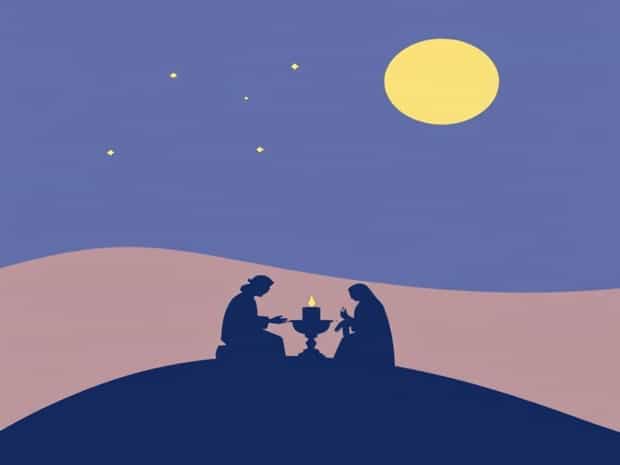
First Night Of Passover 2025
The first night of Passover 2025 marks a significant and meaningful occasion for Jewish families around the world. It is a time to come together, celebrate tradition, and reflect on the history and symbolism of this ancient festival. Passover, or Pesach, commemorates the liberation of the Israelites from slavery in Egypt, an event described in the biblical Book of Exodus. The festival is rich with rituals, including the Seder meal, the reading of the Haggadah, and the removal of chametz from homes. The first night of Passover is especially important because it officially begins the observance, setting the tone for the following days of reflection, family gatherings, and religious ceremonies.
Understanding Passover and Its Significance
Passover is one of the most widely observed Jewish holidays, celebrated for eight days by many communities. The festival serves as a reminder of freedom, resilience, and faith. The first night of Passover is significant because it commemorates the moment when the Israelites began their exodus from Egypt, guided by divine intervention. Families gather to retell the story of liberation and to partake in symbolic foods that represent elements of the historical narrative.
The Symbolism of Passover
During Passover, many symbols are used to tell the story of the Exodus. Matzah, or unleavened bread, represents the haste with which the Israelites left Egypt, unable to let their dough rise. Bitter herbs, such as horseradish, remind participants of the bitterness of slavery, while sweet charoset symbolizes the mortar used by Jewish slaves to build structures in Egypt. Each element of the Seder plate has a specific meaning, ensuring that the story of Passover is passed down through generations in a tangible and memorable way.
The Haggadah and Storytelling
The Haggadah is the text that guides the Seder meal and tells the story of the Exodus. On the first night of Passover 2025, families will gather around the table to read from the Haggadah, engaging in storytelling, singing, and interactive discussions. This ritual ensures that children and adults alike understand the history and spiritual significance of Passover. The Haggadah includes prayers, songs, and instructions for performing each ritual, creating a structured and meaningful experience that reinforces the themes of liberation and faith.
Planning for the First Night of Passover 2025
Preparing for the first night of Passover involves both spiritual and practical considerations. Many families begin weeks in advance, cleaning their homes of chametz and planning the Seder meal. Traditional recipes are carefully selected, and homes are decorated to reflect the festive atmosphere of the holiday. The first night is often a highlight of the Passover experience, bringing together extended family and friends to celebrate, reflect, and enjoy a meaningful communal experience.
Cleaning and Chametz Removal
One of the key preparations for Passover is removing chametz, or leavened products, from the home. This act is symbolic of purifying oneself and one’s surroundings, emphasizing both physical and spiritual readiness. Families conduct a thorough cleaning, often performing a ceremonial search for chametz the night before Passover begins. This tradition underscores the themes of renewal and preparation, making the first night of Passover even more significant.
Preparing the Seder Meal
The Seder meal is the centerpiece of the first night of Passover. It typically includes symbolic foods such as matzah, maror (bitter herbs), charoset, karpas (a green vegetable), and a roasted shank bone or egg. Each food is used during specific rituals and recitations that retell the story of the Exodus. Families may also include modern dishes that adhere to Passover dietary restrictions, creating a meal that is both meaningful and enjoyable. Planning the Seder in advance ensures a smooth and organized celebration, allowing everyone to fully engage in the rituals and storytelling.
Religious and Cultural Observances
Beyond the Seder meal, the first night of Passover 2025 is marked by other religious and cultural observances. Prayers are recited, songs are sung, and participants engage in discussions about freedom, justice, and tradition. Many families take time to reflect on the lessons of the Exodus, connecting historical events to contemporary themes of liberty and moral responsibility. Observing these rituals helps maintain a sense of continuity and identity within the Jewish community.
Prayers and Blessings
Special prayers and blessings are recited during the Seder, including the Kiddush, which sanctifies the holiday, and the Ha Lachma Anya, an invitation to all to share in the Seder meal. These prayers highlight gratitude, faith, and communal unity. Observing them on the first night of Passover sets a spiritual tone for the remainder of the holiday, emphasizing reflection and mindfulness.
Family and Community Engagement
Passover is a time for gathering with family and community. The first night is often celebrated with multiple generations sitting together, sharing stories, and performing rituals collectively. Many synagogues and Jewish community centers host public Seders, allowing individuals who may not have family nearby to participate in the celebration. This communal aspect reinforces the social and cultural importance of Passover, fostering connections and shared experiences.
Modern Considerations for Passover 2025
As Passover continues to be observed in contemporary society, families may adapt certain practices to fit modern lifestyles. Online resources, digital Haggadahs, and virtual Seders allow participation across distances. However, the core themes of the holiday freedom, reflection, and tradition remain central, ensuring that the first night of Passover 2025 is meaningful regardless of how it is celebrated.
Virtual Participation
In recent years, technology has allowed for virtual participation in Passover celebrations. Families separated by geography can connect via video calls, sharing the Seder experience and reading from digital Haggadahs together. This innovation helps maintain continuity and inclusivity, ensuring that the first night of Passover remains accessible to all members of the community.
Maintaining Tradition
While modern conveniences and adaptations are common, maintaining traditional practices is often a priority. Preparing the Seder plate, removing chametz, and reading the Haggadah continue to be central to the first night of Passover. Balancing tradition with contemporary practices allows families to celebrate in ways that are meaningful and relevant to today’s world.
The first night of Passover 2025 is a time of celebration, reflection, and communal engagement. It marks the beginning of a festival rich in history, symbolism, and tradition, connecting Jewish families to their cultural and religious heritage. From preparing the Seder meal to removing chametz, reciting prayers, and sharing stories, the first night sets the tone for the entire holiday. Whether celebrated in traditional settings, modern homes, or virtually across distances, Passover provides a meaningful opportunity to honor freedom, faith, and family. Observing the first night of Passover 2025 allows participants to engage deeply with the history and significance of this enduring festival, ensuring that its lessons and traditions continue to resonate for generations to come.