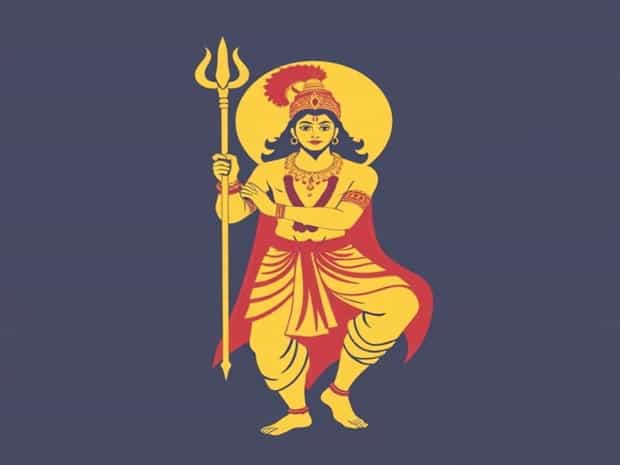
Essay On Krishna In Mahabharata
Krishna is one of the most significant and revered characters in the Mahabharata, serving as a guide, strategist, and divine figure whose influence shapes the course of the epic. His role transcends that of a mere participant in the events of the war, embodying moral guidance, philosophical depth, and spiritual wisdom. Krishna’s presence in the Mahabharata is pivotal not only for the outcome of the battle of Kurukshetra but also for imparting timeless lessons about duty, righteousness, and devotion. Through his actions, words, and counsel, Krishna exemplifies the principles of dharma, showing how one can navigate the complexities of human life while adhering to ethical and spiritual values.
Krishna as a Guide and Strategist
One of Krishna’s primary roles in the Mahabharata is that of a guide and strategist for the Pandavas. His intelligence, foresight, and understanding of human nature make him an indispensable ally. Krishna’s guidance helps the Pandavas navigate complex moral and ethical dilemmas, ensuring that their actions align with dharma while also achieving practical outcomes. As a strategist, Krishna devises plans that balance moral considerations with tactical efficiency, demonstrating that wisdom in leadership requires both righteousness and pragmatism.
The Role of Krishna in the Kurukshetra War
Krishna’s most prominent intervention in the Mahabharata occurs during the Kurukshetra war. Although he chooses not to take up arms directly, he offers his wisdom and guidance to the Pandavas. His strategic insights help them gain crucial advantages over the Kauravas, ensuring that the battle unfolds in a manner that upholds justice and dharma. Krishna’s neutrality in combat, offering either his personal combat support or his counsel to one side, highlights his focus on the moral integrity of actions rather than personal gain or ego.
Krishna as a Teacher of Dharma
Krishna’s teachings in the Mahabharata provide profound philosophical guidance, particularly in the Bhagavad Gita, a critical segment of the epic. When Arjuna hesitates to fight due to moral concerns, Krishna instructs him on the nature of duty, righteousness, and the transient nature of life. Krishna emphasizes the importance of performing one’s responsibilities without attachment to results, highlighting the concept of karma yoga. Through these teachings, Krishna addresses the moral complexities faced by individuals, showing how dharma can guide ethical decision-making even in challenging circumstances.
Lessons on Duty and Righteousness
- Karma YogaKrishna teaches that actions should be performed with dedication to duty, without attachment to success or failure, promoting a balanced approach to life.
- Detachment and FocusHe instructs Arjuna to focus on righteous action rather than personal gain, emphasizing the spiritual and ethical dimensions of human endeavors.
- Understanding DharmaKrishna illustrates that dharma involves making difficult choices for the greater good, balancing personal interests with societal and moral obligations.
Krishna as a Divine Figure
In addition to his strategic and moral roles, Krishna is portrayed as a divine incarnation in the Mahabharata. His actions and guidance carry a spiritual dimension, reflecting his transcendental wisdom and omniscience. Krishna’s divinity is evident in the way he perceives events beyond human comprehension and guides others with perfect understanding. This divine aspect underscores the integration of spiritual wisdom with worldly action, illustrating the balance between the material and spiritual realms in human life.
Miraculous Acts and Influence
Krishna’s divine qualities manifest through miraculous acts that shape the course of the epic. From protecting the Pandavas from danger to orchestrating events that ensure justice, Krishna’s interventions demonstrate his omnipotence and foresight. These acts reinforce the idea that divine guidance can manifest through human agents, emphasizing faith, devotion, and trust in higher wisdom. His influence also highlights the importance of aligning one’s actions with universal principles, showing that ethical conduct resonates with a larger cosmic order.
Krishna’s Role in Promoting Unity and Harmony
Another significant aspect of Krishna’s character in the Mahabharata is his commitment to unity and reconciliation. He frequently attempts to mediate conflicts between the Pandavas and the Kauravas before the war escalates, offering peaceful solutions to avoid unnecessary bloodshed. Krishna’s efforts to promote dialogue, understanding, and compromise illustrate his role as a peacemaker, emphasizing that true leadership involves fostering harmony and minimizing conflict whenever possible.
Mediation and Diplomacy
- Krishna’s diplomatic interventions often prevent immediate escalation of violence, showcasing the importance of negotiation and compromise.
- His ability to persuade and counsel demonstrates the power of wisdom and reasoning over brute force.
- Through his mediation, Krishna exemplifies how moral authority can influence human behavior and guide collective decision-making.
Krishna as an Example of Devotion and Loyalty
Krishna’s relationships with the Pandavas, particularly Arjuna, illustrate his qualities of devotion, loyalty, and unwavering support. He consistently prioritizes their well-being and moral guidance, reflecting the principles of friendship, mentorship, and service. By embodying these qualities, Krishna serves as a model for ethical conduct, illustrating that loyalty to righteous principles and individuals aligns with spiritual and moral integrity.
Personal Relationships and Ethical Guidance
Krishna’s interactions emphasize trust, mutual respect, and moral responsibility. His guidance to Arjuna, for example, is grounded in understanding, empathy, and ethical concern. Krishna’s role demonstrates that spiritual wisdom is inseparable from ethical action, showing that devotion and moral integrity enhance both personal relationships and broader societal well-being.
Krishna’s presence in the Mahabharata transcends that of a mere character in an epic tale. He embodies the convergence of wisdom, morality, divinity, and strategic insight. Through his teachings, actions, and guidance, Krishna provides timeless lessons on duty, righteousness, and ethical decision-making. He demonstrates how one can navigate complex moral landscapes while upholding dharma, balancing worldly action with spiritual insight. Krishna’s role in promoting unity, guiding heroes, and imparting philosophical wisdom ensures his enduring significance as a symbol of divine guidance, ethical leadership, and spiritual understanding. An essay on Krishna in the Mahabharata reveals not only the depth of his character but also the universal values that continue to inspire individuals in their pursuit of righteousness, knowledge, and devotion.