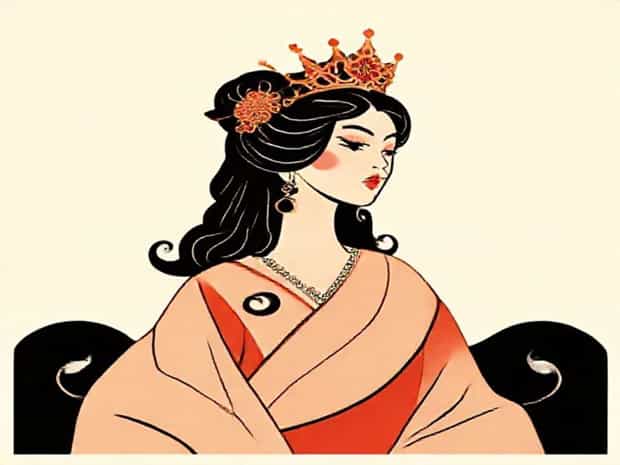
Chi Era Madame De Stael
Madame de Staël, born Anne Louise Germaine Necker in 1766, was one of the most influential figures in European literary and intellectual history. She was a French woman of letters whose writings, salons, and political involvement left an indelible mark on the cultural and intellectual landscape of her time. Madame de Staël’s life spanned a period of immense political and social upheaval, including the French Revolution, Napoleonic era, and the rise of Romanticism. Her ideas on literature, politics, and society challenged traditional norms, making her a pioneering figure in the history of women in intellectual life. Understanding who Madame de Staël was requires exploring her family background, education, literary contributions, and the social and political context that shaped her thought and influence.
Early Life and Family Background
Madame de Staël was born on April 22, 1766, in Paris, into an intellectually prominent family. Her father, Jacques Necker, was a Swiss banker and statesman who became the finance minister of Louis XVI, while her mother, Suzanne Curchod, was known for her intellect and social acumen. Growing up in such an environment, Germaine Necker had access to the best education available at the time, unusual for women in the 18th century. She was trained in literature, philosophy, and languages, developing an early love for learning and discussion that would define her later salon activities.
Education and Intellectual Formation
- Educated in multiple languages, including French, German, Italian, and English.
- Exposed to Enlightenment thinkers such as Voltaire, Rousseau, and Montesquieu.
- Encouraged to engage critically with philosophical and political ideas.
- Developed skills in writing, oratory, and debate from an early age.
- Influenced by her mother’s social circles and her father’s political connections.
Marriage and Social Life
In 1786, Germaine Necker married Baron de Staël-Holstein, a Swedish diplomat. Though their marriage was politically and socially advantageous, it was also intellectually stimulating, providing her with a broader European network. The marriage allowed Madame de Staël to move within elite political circles, further enriching her exposure to ideas and debates that would later inform her writing. Her social acumen, combined with her intellectual talent, enabled her to host salons that became hubs for discussion among writers, philosophers, and politicians.
Salons and Cultural Influence
Madame de Staël’s salons were instrumental in shaping public opinion and literary taste in Europe. She gathered intellectuals, artists, and political thinkers in her homes in Paris and later in Coppet, Switzerland. These salons were not merely social gatherings; they were forums for debate on literature, philosophy, and politics. Through these meetings, Madame de Staël influenced the emerging Romantic movement, promoted liberal ideas, and provided a space for women to engage in intellectual discourse at a time when female voices were often marginalized.
Literary Contributions
Madame de Staël was a prolific writer, producing novels, essays, and political works that reflected her wide-ranging interests. Her writings addressed literature, history, and philosophy, blending analysis with moral and social commentary. She is particularly known for her novels Delphine” (1802) and “Corinne” (1807), which explore themes of personal freedom, love, and the social constraints placed on women. These works were groundbreaking for their portrayal of strong, intellectually capable female protagonists, challenging societal expectations and providing inspiration for future generations of writers.
Political and Philosophical Writings
- Critiqued authoritarianism and promoted liberal ideas of governance and individual rights.
- Analyzed the French Revolution and Napoleonic regime in works such as “De l’Allemagne” (1810), introducing German Romantic thought to France.
- Advocated for freedom of expression and the importance of reason in public life.
- Influenced European intellectual debates on nationalism, democracy, and cultural exchange.
- Engaged in correspondence and debates with leading thinkers, including Benjamin Constant and Johann Wolfgang von Goethe.
Exile and European Influence
Madame de Staël often found herself in conflict with Napoleonic authorities due to her outspoken criticism of centralized power and censorship. In 1803, she was forced into exile from France, and she spent much of the next decade traveling across Europe. During this period, she continued to write, correspond, and host intellectual gatherings. Her influence extended beyond France, as she connected with political thinkers and literary figures across Germany, Italy, and Switzerland. Through her travels and writings, Madame de Staël became a key mediator of European culture and ideas, promoting cross-cultural understanding and intellectual exchange.
Role in Romanticism
Madame de Staël played a pivotal role in introducing Romantic literature and philosophy to France. Her admiration for German Romantic thinkers and her comparative studies of European literature helped popularize Romanticism in a period dominated by Enlightenment rationalism. She emphasized emotion, individuality, and the moral power of literature, laying the groundwork for subsequent French Romantic writers. Her works bridged the gap between French and German literary traditions, highlighting the importance of cultural dialogue and intellectual curiosity.
Legacy and Recognition
Madame de Staël died on July 14, 1817, in Paris, leaving behind a rich legacy as a writer, thinker, and social influencer. She is remembered as a pioneering woman in a male-dominated intellectual world, whose contributions to literature, philosophy, and politics continue to be studied and admired. Her salons, novels, and essays not only shaped contemporary thought but also influenced the development of Romanticism and liberal ideas across Europe. Scholars recognize her for her courage in challenging societal norms, advocating for women’s education, and fostering international cultural exchange.
Key Achievements
- Promoted liberal political ideas and individual freedoms in an era of authoritarian rule.
- Authored influential novels and essays that explored social, moral, and cultural issues.
- Bridged French and German intellectual traditions, fostering European cultural dialogue.
- Created salons that became centers of debate and innovation in literature and politics.
- Pioneered the role of women in intellectual and public life, inspiring future generations.
Madame de Staël was a remarkable figure whose life and work spanned literature, philosophy, and politics. She combined intellectual rigor with social influence, shaping European thought and culture during a time of revolutionary change. Through her writings, salons, and correspondence, she challenged societal norms, advocated for women’s intellectual participation, and promoted cross-cultural understanding. Her novels, essays, and political works remain significant for their insight into human nature, social constraints, and the power of ideas. Understanding who Madame de Staël was offers a window into the intellectual currents of her time and the enduring impact of her contributions on literature, philosophy, and European society.
- Born in 1766 to an influential Swiss-French family, educated in literature and philosophy.
- Hosted salons that became hubs of intellectual and political discourse.
- Authored novels like “Delphine” and “Corinne,” promoting female intellectualism.
- Critiqued authoritarian regimes and promoted liberal ideas across Europe.
- Played a key role in introducing Romanticism to France and fostering cultural exchange.
“