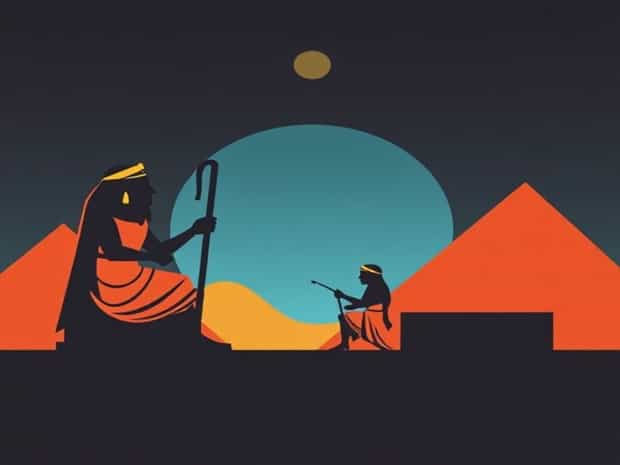
Moses Forsook The Pleasures Of Egypt
The story of Moses forsaking the pleasures of Egypt is a powerful narrative that demonstrates faith, obedience, and the pursuit of God’s purpose over worldly comforts. In a society renowned for its wealth, grandeur, and sophistication, Moses was raised in the palace of Pharaoh, enjoying privileges and luxuries that many could only dream of. Despite these opportunities, he made a conscious decision to reject the ease and pleasures of Egyptian royalty in order to identify with his people and follow the will of God. This choice highlights the tension between earthly desires and spiritual calling, showing how faith can guide one to forsake temporary pleasures for eternal rewards.
Moses’ Early Life in Egypt
Moses’ early years were marked by privilege and opportunity. Born a Hebrew but raised in Pharaoh’s household, he had access to education, wealth, and the comforts of the royal court. Acts 720-22 explains that Moses was well-educated in all the wisdom of the Egyptians and was powerful in his words and deeds. His upbringing exposed him to luxury, influence, and the allure of worldly pleasure, yet it also provided him with the skills and knowledge that would later serve him in leading the Israelites out of bondage. The contrast between his Egyptian life and his Hebrew heritage set the stage for a profound act of faith.
The Choice to Identify with God’s People
Moses’ decision to forsake Egypt was driven by his desire to stand with his people, the Israelites, who were suffering under slavery. Hebrews 1124-26 states, By faith Moses, when he was grown up, refused to be called the son of Pharaoh’s daughter; choosing rather to suffer affliction with the people of God than to enjoy the pleasures of sin for a season. This passage emphasizes that Moses valued righteousness and obedience over temporary worldly indulgence. His choice reflects a deep spiritual insight true fulfillment comes not from wealth, status, or comfort, but from living in alignment with God’s purpose.
The Pleasures of Egypt
The pleasures of Egypt were not merely material wealth; they included social prestige, security, and cultural sophistication. Egypt was a center of civilization, offering education, fine living, and influence over people and politics. For Moses to renounce such advantages required courage and conviction. This act symbolizes the broader biblical principle that worldly pleasures, while tempting, are fleeting and cannot compare with the eternal blessings of faithfulness to God. Moses’ rejection of these pleasures serves as a timeless lesson for believers about prioritizing spiritual over material wealth.
Suffering with the People of God
Choosing to suffer with God’s people meant embracing a life of uncertainty, hardship, and sacrifice. Moses left behind the palace, comfort, and status to align himself with a people who were oppressed, marginalized, and enslaved. His willingness to endure affliction for the sake of obedience demonstrates the concept of faith in action. This principle encourages believers to see beyond immediate gratification and to trust in God’s greater plan, even when it requires personal sacrifice.
Faith and Obedience in Action
Moses’ story exemplifies how faith and obedience intersect. Forsaking Egypt was not merely an act of rebellion against comfort; it was a deliberate choice to obey God’s calling. By aligning with God’s people, Moses positioned himself to become a leader and deliverer, fulfilling a divine mission that transcended personal desires. The narrative illustrates that obedience often involves difficult decisions, including letting go of what is familiar and pleasurable, to pursue a higher purpose. This theme resonates throughout Scripture, encouraging believers to prioritize faithfulness over convenience or luxury.
The Rewards of Forsaking Earthly Pleasures
While forsaking the pleasures of Egypt involved immediate sacrifice, it brought long-term spiritual rewards. Hebrews 1126 highlights that Moses esteemed the reproach of Christ greater riches than the treasures of Egypt. This teaches that enduring hardships and rejecting temporary pleasures can lead to eternal blessings. Moses’ life demonstrates that faith-driven choices, though challenging, ultimately align with God’s will and bring lasting fulfillment. His legacy shows that spiritual rewards far outweigh the fleeting pleasures of worldly indulgence.
Lessons for Modern Believers
The story of Moses forsaking the pleasures of Egypt offers timeless lessons for contemporary believers
- Prioritize Spiritual CallingFaith may require sacrificing comfort, wealth, or status to pursue God’s purpose.
- Endure HardshipsChoosing to follow God may involve challenges, but perseverance strengthens character and faith.
- Trust in Eternal RewardsTemporary pleasures cannot compare with the lasting fulfillment found in obedience and faithfulness.
- Identify with God’s PeopleTrue spiritual leadership involves empathy, solidarity, and commitment to God’s community.
- Value Faith over Worldly GainMoses teaches that faith-driven decisions carry eternal significance beyond immediate material benefits.
Practical Applications
Modern believers can apply the lessons from Moses’ choice in various ways. Whether it involves resisting the lure of materialism, prioritizing service over personal gain, or making moral decisions that require courage, Moses’ example provides guidance. By focusing on spiritual growth and obedience, individuals can navigate a world filled with distractions and temptations, finding fulfillment in a life devoted to God rather than fleeting worldly pleasures.
Moses forsaking the pleasures of Egypt is more than a historical account; it is a spiritual lesson about faith, obedience, and the pursuit of God’s calling. His decision to leave wealth, comfort, and status behind highlights the importance of prioritizing eternal rewards over temporary indulgences. By choosing to suffer with God’s people, Moses demonstrated courage, conviction, and unwavering trust in God’s plan. This story continues to inspire believers to evaluate their own lives, make faith-driven choices, and embrace the sometimes difficult path of obedience. It teaches that the true measure of success is not found in worldly pleasure, but in faithfulness, service, and alignment with God’s eternal purposes. Moses’ legacy remains a guiding example of how forsaking temporary comfort can lead to profound spiritual fulfillment and a lasting impact in the lives of others.