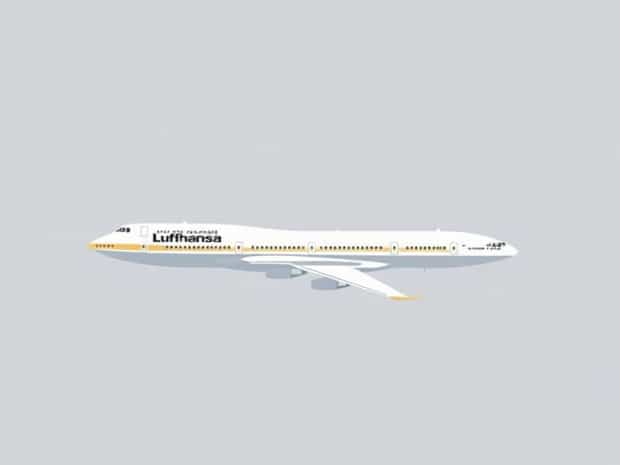
Boeing 747 400 Lufthansa
The Boeing 747-400 has long been an iconic symbol of long-haul air travel, and Lufthansa, Germany’s flagship carrier, has been one of its most prominent operators. Known for its impressive range, large capacity, and distinctive humpbacked design, the 747-400 has served as a workhorse for Lufthansa on international routes for decades. From transatlantic flights to long-haul journeys across Asia and the Americas, Lufthansa’s 747-400 fleet has combined engineering excellence with German precision, providing passengers with reliable service, comfort, and efficiency. Understanding the history, specifications, and operational significance of this aircraft within Lufthansa’s network highlights the pivotal role it has played in global aviation.
History of the Boeing 747-400 in Lufthansa’s Fleet
Lufthansa first introduced the Boeing 747-400 into its fleet in the late 1980s, marking a new era of long-distance travel. The airline sought an aircraft capable of carrying more passengers while improving fuel efficiency and range compared to earlier models. The 747-400 quickly became central to Lufthansa’s long-haul strategy, operating routes to major cities around the world.
Key Milestones
- Late 1980s Lufthansa receives its first 747-400, replacing older 747-200 models.
- 1990s Expansion of international routes, including flights to North America, South America, and Asia.
- 2000s Refurbishment and cabin modernization to enhance passenger comfort and service quality.
- 2010s Gradual retirement of 747-400s as newer aircraft like the Airbus A380 and Boeing 747-8i enter service.
Technical Specifications
The Boeing 747-400 is a wide-body, four-engine jet airliner with advanced technology for its time. Lufthansa’s versions were customized to meet both operational needs and passenger comfort expectations. The aircraft’s technical specifications contributed to its reputation as a reliable long-haul performer.
Dimensions and Performance
- Length70.6 meters (231 feet 10 inches)
- Wingspan64.4 meters (211 feet 5 inches) with winglets for improved fuel efficiency
- Maximum Takeoff WeightApproximately 396,900 kg (875,000 lbs)
- EnginesFour Pratt & Whitney PW4056, General Electric CF6-80C2B1F, or Rolls-Royce RB211-524G/H engines depending on the aircraft configuration
- RangeUp to 7,670 nautical miles (14,200 km)
- Passenger CapacityTypically 416 in three-class configuration, up to 524 in two-class configuration
Avionics and Systems
Lufthansa’s 747-400s featured advanced avionics for navigation, communication, and flight management. Digital flight control systems, modern autopilot, and enhanced weather radar systems improved operational safety and efficiency. The cockpit was designed to accommodate two pilots, reducing the need for a flight engineer compared to earlier models.
Cabin Layout and Passenger Experience
Lufthansa placed a strong emphasis on passenger comfort and service. The 747-400 cabins were designed to reflect the airline’s commitment to quality, combining luxury with efficiency for long-haul travelers.
Seating Configuration
- First ClassPrivate suites with fully reclining seats and personal entertainment systems.
- Business ClassLie-flat seats, dedicated workspaces, and premium amenities.
- Economy ClassComfortable seating with in-flight entertainment screens, adjustable headrests, and ergonomic design.
Onboard Services
- Gourmet meals reflecting international and German cuisine
- Extensive in-flight entertainment systems, including movies, music, and games
- Advanced cabin lighting systems to reduce jet lag on long-haul flights
- Wi-Fi and connectivity options on select aircraft toward the later years of service
Operational Significance
The Boeing 747-400 was central to Lufthansa’s international growth strategy. Its long range allowed direct flights to distant cities, reducing layovers and improving customer convenience. The aircraft’s large capacity was essential for high-demand routes, especially to North America and Asia. Additionally, the 747-400’s reliability made it a favorite among both passengers and airline operations teams.
Key Routes
- Frankfurt to New York, Los Angeles, and Chicago
- Munich to Tokyo, Beijing, and Shanghai
- Frankfurt to São Paulo and Buenos Aires
- Long-haul European routes requiring high passenger capacity
Economic and Environmental Considerations
While the 747-400 was revolutionary in terms of capacity and range, it also posed challenges in fuel efficiency and operational costs compared to newer aircraft. Lufthansa balanced these considerations by optimizing load factors, scheduling, and maintenance. Over time, environmental regulations and rising fuel prices contributed to the decision to replace 747-400s with more efficient models such as the Boeing 747-8i and Airbus A350.
Efficiency Measures
- Winglets to reduce drag and fuel consumption
- Regular maintenance to ensure optimal engine performance
- Route planning to maximize fuel efficiency on long-haul flights
Legacy of the Lufthansa 747-400
The Boeing 747-400 has left an indelible mark on Lufthansa’s history. It became a symbol of the airline’s global presence and commitment to premium service. Passengers fondly remember the spacious cabins, distinctive humpbacked profile, and consistent reliability. Even as the fleet transitions to newer aircraft, the 747-400 remains an icon of long-haul aviation, representing decades of innovation and international connectivity.
Historical Significance
- Introduced Lufthansa to new markets with non-stop long-haul flights
- Set standards for comfort and service in international air travel
- Contributed to the airline’s brand reputation as a leader in global aviation
- Served as a training platform for pilots on wide-body aircraft operations
The Boeing 747-400 has been more than just an aircraft for Lufthansa; it has been a cornerstone of the airline’s international strategy, symbolizing reliability, capacity, and premium passenger experience. From its introduction in the late 1980s to its gradual retirement in favor of more fuel-efficient aircraft, the 747-400 played a critical role in connecting continents and enabling Lufthansa to maintain its position as one of the world’s leading carriers. Its technical capabilities, cabin innovations, and operational versatility ensured that passengers enjoyed comfort and convenience on every long-haul flight. Even as aviation technology continues to evolve, the legacy of the Lufthansa 747-400 endures as a testament to the golden age of jumbo jet travel.