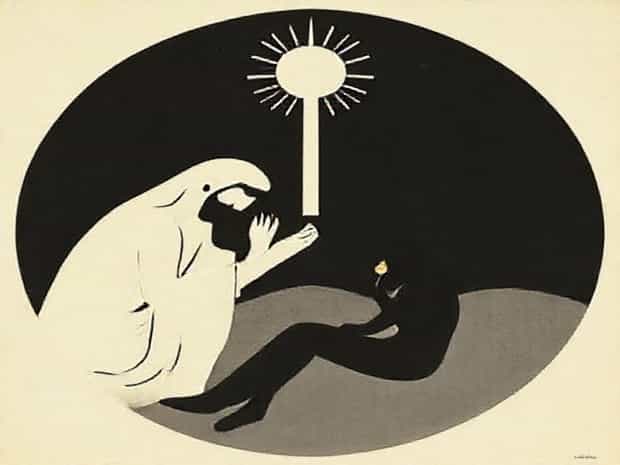
Kurt Lampe The Birth Of Hedonism
Kurt Lampe’s work The Birth of Hedonism” offers an insightful exploration of the origins and philosophical development of hedonism, tracing its evolution from ancient Greek thought to its influence on modern ethical theory. Hedonism, broadly defined as the pursuit of pleasure and the avoidance of pain as the highest good, has long fascinated philosophers, historians, and cultural critics alike. Lampe’s analysis goes beyond a simplistic understanding of hedonism as mere indulgence, examining its nuanced role in shaping ethical reflection, human behavior, and societal norms. By contextualizing hedonism historically and philosophically, Lampe reveals the intellectual currents that made the pursuit of pleasure a central concern in both personal ethics and collective life.
The Origins of Hedonism
Lampe begins by exploring the roots of hedonistic thought in ancient Greece, where philosophers such as Aristippus of Cyrene first articulated the idea that pleasure is the primary aim of human life. For the Cyrenaics, immediate physical pleasure was paramount, and life’s purpose was to maximize sensory enjoyment. This early form of hedonism emphasized the individual experience of pleasure, often detached from broader ethical or societal concerns. Lampe situates these ideas within the cultural and intellectual environment of the time, noting how social practices, philosophical debates, and the human search for happiness contributed to the formation of hedonistic philosophy.
Cyrenaic Hedonism
-
Focus on immediate pleasure and sensory gratification as central to ethical life.
-
Individualistic perspective that emphasizes personal experience over collective norms.
-
Practical approach to ethics that encourages the pursuit of happiness through tangible experiences.
Epicurean Refinement
Lampe then examines the development of hedonism through Epicurean philosophy, which transformed the pursuit of pleasure into a more structured ethical system. Epicurus distinguished between physical pleasures and mental pleasures, arguing that the latter provide deeper and more enduring satisfaction. The avoidance of pain and the cultivation of tranquility, or ataraxia, became central to living a good life. Epicurean hedonism thus emphasized moderation, wisdom, and self-reflection, showing that pleasure is not merely indulgence but a guide for ethical conduct. Lampe highlights how Epicurus reconciled personal happiness with ethical responsibility, creating a sophisticated moral framework that influenced subsequent generations.
Key Principles of Epicurean Hedonism
-
Mental pleasures are superior to fleeting physical indulgence.
-
Avoidance of pain is central to achieving long-term well-being.
-
Moderation and prudence are essential to ethical pleasure.
-
Community and friendship contribute to the sustainable pursuit of happiness.
Hedonism and Moral Philosophy
Lampe also explores how hedonism intersects with broader debates in moral philosophy. Critics have often argued that hedonism reduces morality to self-interest or undermines altruism, portraying a narrow or selfish conception of the good life. However, Lampe counters that hedonism, particularly in its Epicurean form, provides a thoughtful approach to ethical living by encouraging reflection on the sources of genuine satisfaction and the avoidance of unnecessary suffering. Hedonism can guide decision-making, inform personal responsibility, and promote balanced living, demonstrating that pleasure and morality are not inherently opposed.
Critiques and Responses
-
Accusation of selfishness Hedonism is sometimes criticized as promoting self-centeredness.
-
Response Epicurean hedonism encourages reflection, moderation, and social consideration.
- Misconception of indulgence Pleasure is often conflated with excess, which Lampe clarifies through historical context.
- Ethical integration Hedonism can coexist with virtues such as prudence, justice, and friendship.
Cultural and Historical Significance
According to Lampe, the birth of hedonism is not only a philosophical milestone but also a cultural phenomenon. The celebration of pleasure and the search for happiness have influenced art, literature, and social norms throughout history. Hedonistic ideals appear in Renaissance humanism, Enlightenment thought, and contemporary self-help philosophies. By tracing these influences, Lampe illustrates how the pursuit of pleasure shapes human creativity, social interaction, and conceptions of the good life. Understanding hedonism historically provides insight into the enduring human desire for joy, satisfaction, and fulfillment.
Impact on Literature and Society
- Exploration of pleasure in poetry, drama, and narrative fiction.
- Influence on social norms, including leisure, education, and personal fulfillment.
- Integration of pleasure into ethical, political, and aesthetic discourse.
- Reflection of human desires and anxieties across historical periods.
The Modern Relevance of Hedonism
Lampe also addresses the relevance of hedonism in contemporary society, where questions of happiness, well-being, and ethical living remain central. Modern psychology, economics, and philosophy increasingly examine how pleasure, desire, and satisfaction shape human behavior. Hedonistic principles inform debates on mental health, work-life balance, consumer behavior, and social policy. Lampe suggests that revisiting the philosophical roots of hedonism can provide guidance for contemporary life, encouraging mindful pursuit of joy while considering long-term consequences, social responsibility, and personal growth.
Applications in Contemporary Thought
- Psychology Understanding how pleasure and pain influence decision-making and emotional well-being.
- Economics Examining consumer behavior through the lens of satisfaction and desire.
- Ethics Applying principles of moderated pleasure to personal and professional conduct.
- Public policy Incorporating well-being and quality of life in societal planning.
Kurt Lampe’s “The Birth of Hedonism” provides a comprehensive and nuanced account of how the pursuit of pleasure evolved from ancient philosophical inquiry to a sophisticated ethical framework. By examining the Cyrenaic focus on immediate gratification and the Epicurean refinement emphasizing mental pleasure, moderation, and reflection, Lampe demonstrates that hedonism is far more than indulgence. It offers insights into human psychology, ethical reasoning, and cultural development. The birth of hedonism reveals the timeless human concern with happiness, the ethical pursuit of satisfaction, and the interplay between personal joy and social responsibility. Lampe’s work encourages readers to reconsider the role of pleasure in moral thought, historical context, and contemporary life, emphasizing that the pursuit of happiness, when guided by wisdom and moderation, can enrich both individual and collective existence.
Key Takeaways
- Hedonism originated in ancient Greece, emphasizing pleasure as a primary goal of life.
- Cyrenaic hedonism focused on immediate sensory gratification, while Epicurean hedonism emphasized mental pleasures and moderation.
- Hedonism has influenced literature, culture, and social norms throughout history.
- Critiques of hedonism often misunderstand its philosophical depth and ethical sophistication.
- Modern applications of hedonism include psychology, ethics, and public policy, emphasizing the balanced pursuit of happiness.
“