Is Olduvai Gorge In Ethiopia
Many people who are curious about human origins often wonder about the location of Olduvai Gorge. Some mistakenly believe it is in Ethiopia, since Ethiopia is also famous for its fossil discoveries such as Lucy. However, Olduvai Gorge is actually located in northern Tanzania, not Ethiopia. This remarkable site has earned global recognition as one of the most important places for understanding the story of early humans, their tools, and the environments they inhabited. To fully appreciate why Olduvai Gorge is so significant, it is essential to explore its geography, history of discovery, and the reasons behind the confusion about its location.
Where Exactly is Olduvai Gorge?
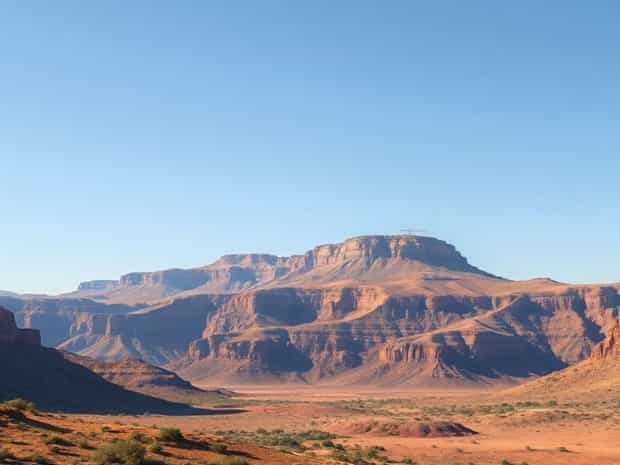
Olduvai Gorge lies within the eastern Serengeti Plains in northern Tanzania, near the Ngorongoro Conservation Area. It is a steep-sided ravine stretching roughly 48 kilometers long. The gorge was carved by water erosion over thousands of years, revealing layers of sediment that preserved fossils and stone tools dating back millions of years. Because of these natural processes, Olduvai Gorge has been referred to as a time capsule of human evolution. This Tanzanian site is often paired in discussions with other fossil-rich areas in East Africa, including Ethiopia’s Afar region, which is where much of the confusion arises.
Why Do Some Think Olduvai Gorge is in Ethiopia?
The idea that Olduvai Gorge might be in Ethiopia likely comes from Ethiopia’s own role in paleoanthropology. Ethiopia is home to important fossil sites such as Hadar and Omo Valley, where famous discoveries like Australopithecus afarensis were made. The East African Rift Valley system connects both Ethiopia and Tanzania, and since both countries are known for yielding early human fossils, people sometimes mix up the locations. While Ethiopia and Tanzania share geological features, Olduvai Gorge specifically belongs to Tanzania’s landscape.
The History of Discoveries at Olduvai Gorge
Olduvai Gorge became internationally famous largely due to the work of Louis and Mary Leakey in the mid-20th century. Their excavations uncovered early stone tools and fossils of hominins that reshaped our understanding of human evolution. Some of the key discoveries include
- Oldowan tools– Simple stone tools dated to about 2.6 million years ago, associated with early humans.
- Paranthropus boisei– A robust hominin species discovered by Mary Leakey in 1959.
- Homo habilis– Considered one of the earliest members of our genus, found in the 1960s.
These findings confirmed that humans had a much deeper history in Africa than previously believed. Olduvai Gorge, along with Ethiopia’s sites, contributed to the strong evidence that Africa is the cradle of humankind.
Olduvai Gorge and the East African Rift Valley
To understand Olduvai Gorge better, it helps to place it within the larger context of the East African Rift Valley. This massive geological feature stretches across several countries, including Ethiopia, Kenya, Tanzania, and Uganda. Over millions of years, tectonic activity created rifts and basins that preserved ancient sediments. Both Olduvai Gorge in Tanzania and Ethiopia’s fossil-rich areas owe their existence to this rift system. This is why the two regions are often mentioned together in textbooks and documentaries about human origins.
Comparison Between Olduvai Gorge and Ethiopian Sites
Although Olduvai Gorge is not in Ethiopia, both locations complement each other in the study of evolution. Ethiopia is known for discoveries like
- The skeleton ofLucy, Australopithecus afarensis, found in Hadar.
- Fossil remains from Omo Kibish, among the oldest known Homo sapiens remains.
- Middle Stone Age tools that show advancements in technology.
Tanzania’s Olduvai Gorge, on the other hand, is especially famous for its sequence of stone tool industries and the fossils of Homo habilis and Paranthropus boisei. Together, these sites provide a fuller picture of how early humans evolved, adapted, and spread across Africa. While Ethiopia highlights the story of early bipedal hominins and the emergence of modern humans, Olduvai Gorge emphasizes tool use and ecological adaptation.
Importance of Olduvai Gorge for Science
Olduvai Gorge continues to attract researchers and visitors from around the world. Archaeologists, anthropologists, and geologists study its layers to reconstruct ancient environments and lifestyles of early humans. For example, evidence of animal bones with cut marks shows that early humans at Olduvai Gorge were butchering meat, which suggests major changes in diet and behavior. The gorge also documents shifts in climate and ecosystems, giving insight into how environmental changes may have influenced human evolution.
Tourism and Education at Olduvai Gorge
Today, Olduvai Gorge is not just a scientific site but also a tourist attraction in Tanzania. The Olduvai Gorge Museum provides information about the Leakey family’s discoveries and displays fossils and stone tools. Tourists visiting the Serengeti or Ngorongoro Crater often stop at Olduvai Gorge to learn about humanity’s deep past. For educational purposes, this site reinforces the importance of Africa in shaping human history.
Correcting the Misconception
So, is Olduvai Gorge in Ethiopia? The answer is no. It is firmly located in Tanzania. However, the mix-up is understandable given Ethiopia’s equally significant role in paleoanthropology. Both countries are essential to the story of human evolution, and together they form a rich heritage of fossil evidence. Clarifying this distinction helps ensure that the contributions of each site are recognized correctly and that learners understand the geographical diversity of Africa’s prehistoric landscapes.
Olduvai Gorge is one of the most important archaeological and paleoanthropological sites in the world, but it is not located in Ethiopia. Its real home is in northern Tanzania, within the Great Rift Valley. The confusion often arises because Ethiopia is also renowned for major fossil discoveries. Both regions, however, are vital for piecing together the human story. Olduvai Gorge tells us about early toolmakers and their environments, while Ethiopia gives us insights into the earliest hominins and the emergence of modern humans. Together, they highlight Africa’s unparalleled role as the birthplace of humankind, reminding us that the answers to our deepest questions about human origins lie within this continent’s landscapes.